MARTIN MAWAYA
THE CITY OF GWERU has launched an ambitious strategy to overhaul refuse management and align the city with global environmental standards as authorities confront rising waste volumes and widespread illegal dumping.
The Integrated Solid Waste Management Plan seeks to shift the city away from heavy reliance on landfill disposal towards modern systems that prioritise recycling, waste reduction and resource recovery.
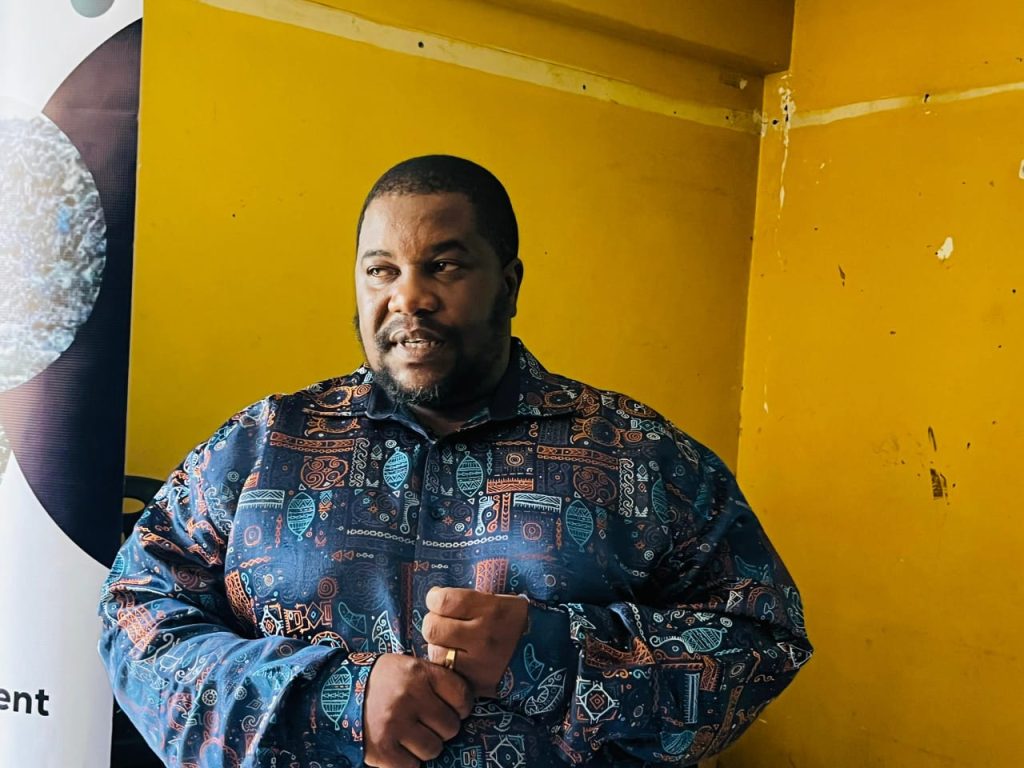
City of Gweru health director Samson Sekenhamo said the strategy is part of broader efforts to tackle mounting waste management pressures in the Midlands capital.
“We are shifting from the traditional system where waste is simply collected and dumped at landfill sites. The new approach focuses on waste separation, recycling and recovering value from waste,” Sekenhamo said.
Under the plan, the city aims to cut landfill dependence from 100% to about 40% by 2030 by diverting nearly 60% of waste through recycling, composting and other recovery initiatives.
The programme will also strengthen community participation, improve collection efficiency and promote environmentally sustainable practices among residents and businesses.
The local authority says the strategy reflects international best practice, where integrated waste management systems reduce environmental harm while creating economic opportunities through recycling and resource recovery.
Peter Makwanya, an environmental expert, noted that cities around the world are reducing reliance on landfills by expanding recycling, composting, and waste-to-energy programs.
Countries such as Sweden and Germany have developed advanced waste recovery systems that drastically reduce landfill disposal while supporting thriving recycling industries.
The push for sustainable waste management comes as governments face growing pressure to tackle rising urban waste driven by population growth, climate change and rapid urbanisation.
The United Nations has urged cities to adopt integrated waste strategies as part of broader environmental protection and climate action efforts.
Several countries have already demonstrated how strong policies and community participation can transform waste management systems.
Rwanda’s capital Kigali is widely regarded as one of Africa’s cleanest cities following strict bans on single-use plastics and improved recycling and waste collection systems, supported by the monthly Umuganda community clean-up programme.
Zimbabwe has also intensified efforts to curb litter and illegal dumping through the national clean-up campaign launched in 2018.
Gweru mayor Cllr Martin Chivhoko said the city’s waste crisis has reached a critical point, warning that authorities can no longer ignore the rapid spread of illegal dumping.
“The state of waste management in Gweru can no longer be pushed aside or buried under reports that gather dust. For too long we have watched illegal dumping sites multiply across our city,” Chivhoko said, adding that unmanaged waste poses serious public health risks including cholera, typhoid and malaria.
He said restoring cleanliness is vital for economic growth and investor confidence, stressing that the fight against illegal dumping will require collective responsibility from residents, businesses and the local authority.
“A clean city is a shared responsibility. No individual can make Gweru clean alone,” he said.


