Rutendo Chirume
MASVINGO-Masvingo is among the top three provinces in Zimbabwe recording high cases of drug and substance abuse, gender-based violence (GBV) and child marriages, prompting police to intensify targeted awareness campaigns in communities.
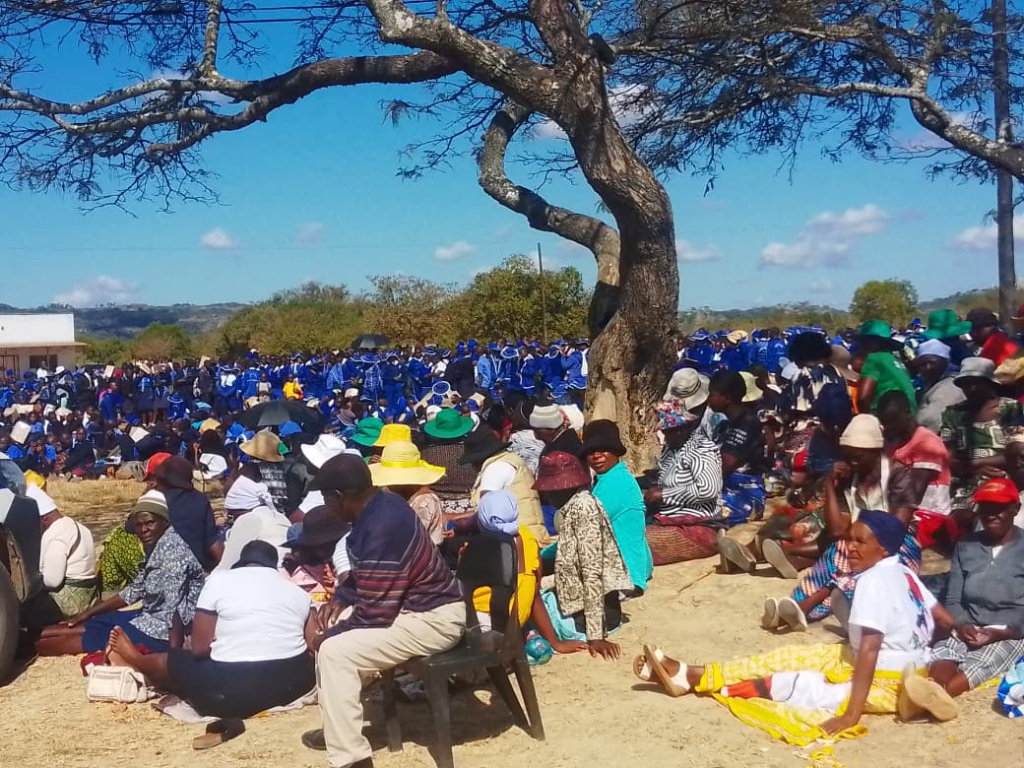
The nationwide campaign is being led by the national coordinator of the Victim Friendly Unit, Assistant Commissioner Dr Matilda Singende, and CID Drugs and Narcotics Assistant Commissioner Calphen Foya. The programme is taking police officers to schools, traditional leaders and communities across the country to raise awareness on issues affecting children and adolescents.
Speaking during an awareness meeting at Mucheke High School last week, Assistant Commissioner Singende said the outreach programme seeks to equip young people with knowledge on drug abuse, child marriages and GBV, which continue to negatively affect their lives and education.
“We are moving across all provinces conducting these awareness campaigns because young people need this information. They are the most affected and are often the victims of these issues. Drug and substance abuse, gender-based violence and child marriages are contributing to school dropouts and destroying the future of many children,” she said.
Assistant Commissioner Singende said police teams had so far covered six provinces including Masvingo Province and would continue engaging learners and communities as part of efforts to curb the growing social challenges.
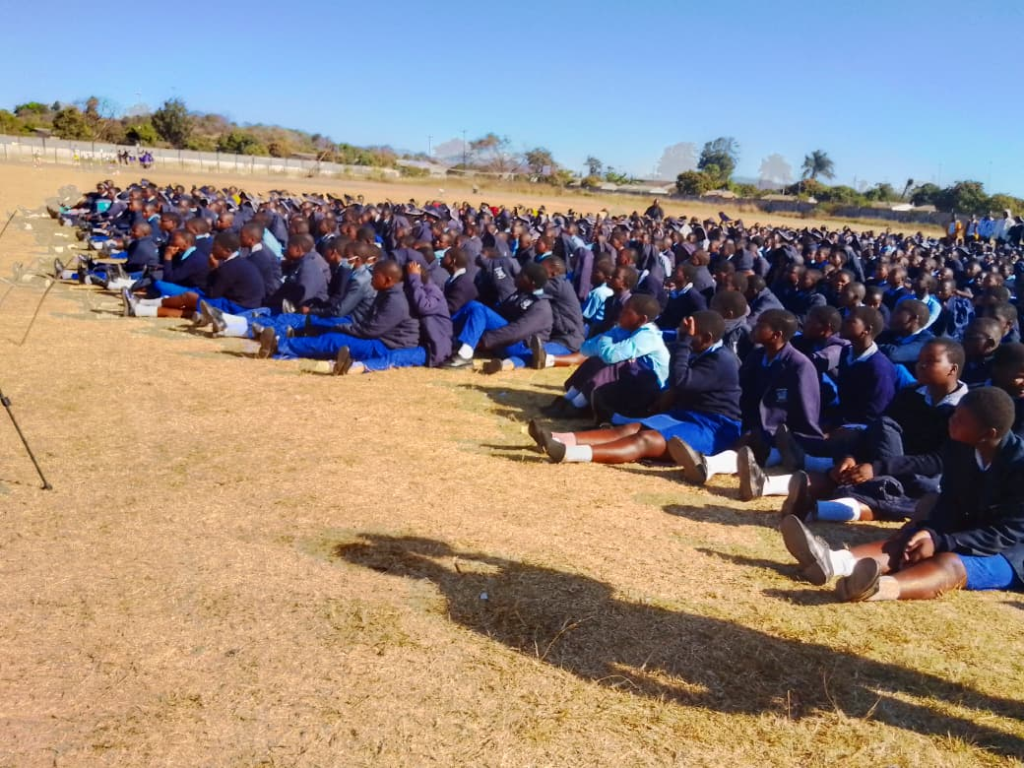
She said the campaign also seeks to encourage communities to play a more active role in protecting children from abuse and exploitation.
Addressing community members at Nemamwa Business Centre, Assistant Commissioner Singende urged parents and guardians to guide children and safeguard their future.
“Parents must take responsibility for protecting their children and teaching them the right values. Communities have a duty to ensure that children grow up in environments that support their development and protect them from harmful practices,” she said.
Meanwhile, Assistant Commissioner Foya warned that drug dealers and users often use street names and coded language to conceal illicit substances, making it difficult for parents and teachers to identify the problem.
He urged communities to familiarise themselves with the different names associated with drug and substance abuse.
“Parents and teachers should be alert because drugs are often referred to using different names. Understanding these terms can help communities identify the problem early and intervene before young people become addicted,” said Assistant Commissioner Foya.
Assistant Commissioner Foya also said drug and substance abuse is often driven by peer pressure, stress, anxiety and other social challenges affecting young people.
“Many youths are introduced to drugs through peer pressure from friends, while others turn to substances as a way of coping with stress, anxiety and personal problems. It is important for parents, teachers and communities to provide support and guidance so that young people do not resort to drugs,” he said.
The campaign forms part of the police’s broader strategy to reduce drug and substance abuse, child marriages and gender-based violence through awareness, prevention and community engagement.
Police officials said the programme will continue in all provinces as authorities work with schools, traditional leaders and communities to protect children and promote safer environments for young people.