…as REMCODA project transforms lives in ward 32.
FAITH NDOU
MASVINGO-The Food and Agriculture Organization (FAO) has reaffirmed its commitment to supporting Zimbabwe in mitigating the anticipated impacts of the upcoming El Nino season with communities being urged to embrace climate-smart agriculture and environmental conservation.
Speaking during a tour of the Rufaro Environmental Management Committee Organisation Development Association (REMCODA) project in Rufaro village ward 32 under Chief Zimuto in Masvingo North Constituency, FAO subregional oordinator for Southern Africa and representative in Zimbabwe, Dr Patrice Talla said Zimbabwe is among the countries expected to be significantly affected by the anticipated El Nino.
“With El Nino expected this year, FAO will continue working together with the Government and communities to address its impact. Zimbabwe is one of the countries that will be greatly affected, and FAO is ready to continue providing support,” said Dr Talla.
He said FAO was also supporting efforts to contain the Foot and Mouth Disease outbreak that has affected Southern Africa.
“FAO is also standing with countries in Southern Africa in responding to foot and mouth disease while continuing to strengthen resilience in vulnerable communities,” he added.
Dr Talla said FAO’s interventions are largely focused on Zimbabwe’s dryland areas particularly Masvingo province and encouraged farmers to continue growing traditional grains.
“We urge farmers to continue planting traditional grains because they are well suited to these dry areas. They will improve livelihoods and help communities achieve sustainable food security,” he said.
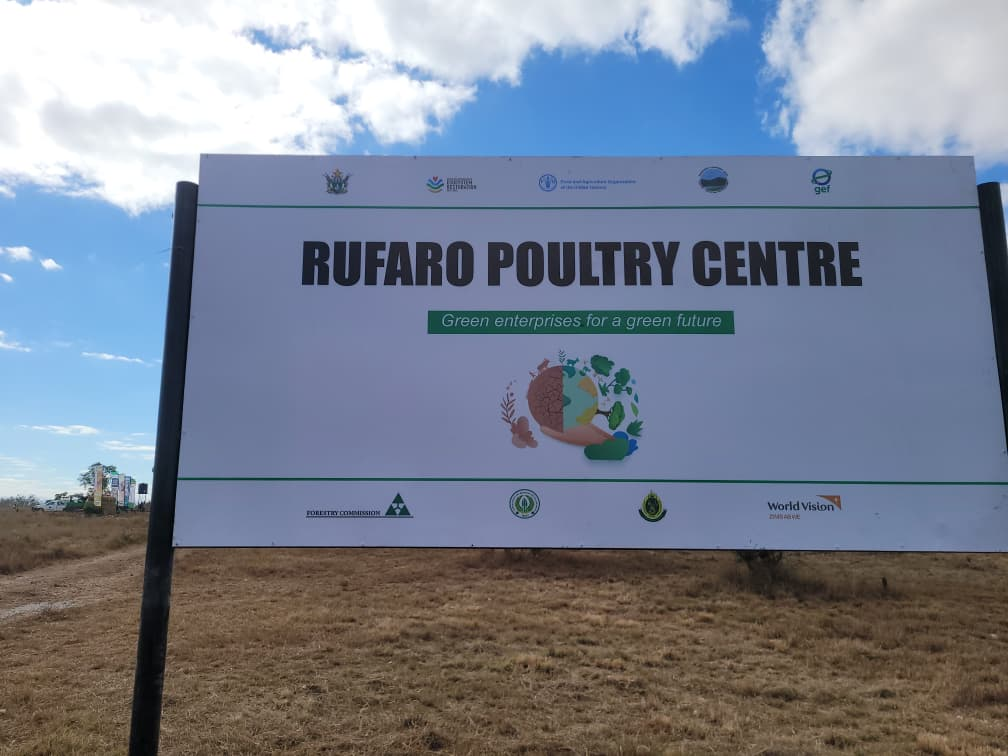
The REMCODA project, supported under the Global Environment Facility Seventh Cycle (GEF-7) programme, has become a model for climate resilience and sustainable livelihoods in the Runde Sub-Basin.
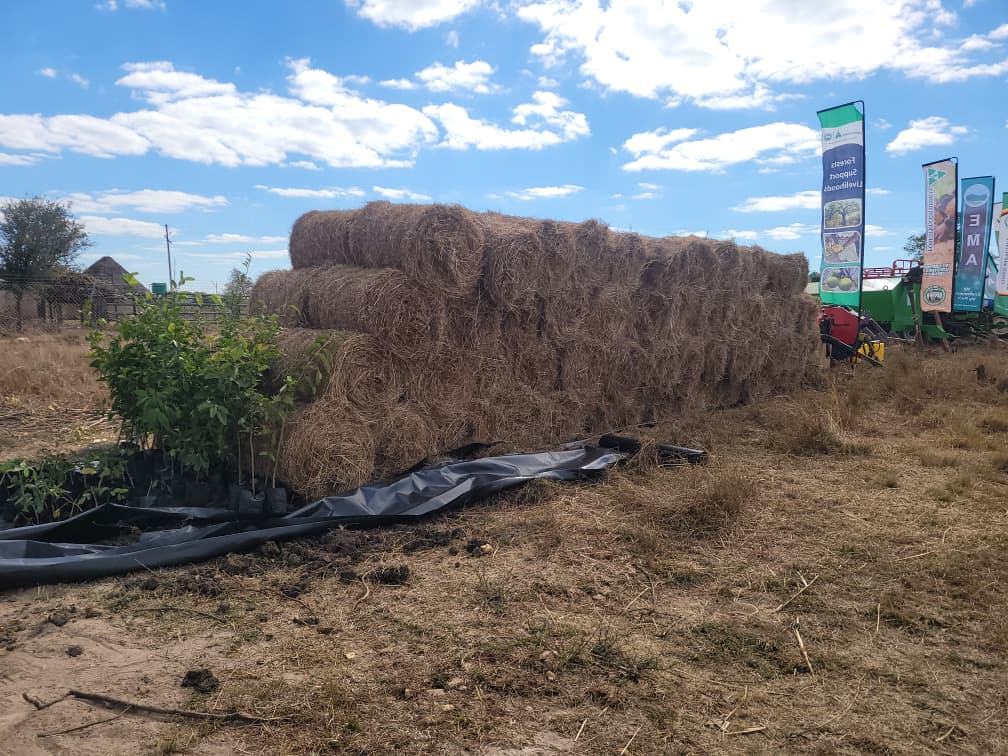
The project comprises 126 members including 60 women and 66 men and focuses on hay baling for livestock feed during drought periods, poultry production and citrus farming.
Members have also constructed a 12-kilometre fireguard to prevent veld fires, protecting grazing land and ensuring a sustainable supply of grass for hay production.
Since its inception in 2024, the project has received machinery including tractors and hay baling equipment while a modern fowl run capable of accommodating more than 500 chickens has also been established.
Addressing beneficiaries, Permanent Secretary in the Ministry of Environment, Climate and Wildlife Simon Masanga, representing Minister Evelyn Ndlovu announced that beneficiaries would receive an incubator to boost poultry production.
“The project funders will support this community with an incubator to strengthen your poultry enterprise and improve household incomes,” said Masanga.
He encouraged communities to diversify their farming systems by adopting drought-tolerant traditional grains.
“These dry areas require crops that can withstand harsh climatic conditions. Traditional grains are the way forward if we are to build resilient communities,” he said.
Masanga said environmental protection and income generation should go hand in hand.
“When veld fires destroy the environment, livestock lose grazing land. Through hay baling, communities can preserve fodder, sell it to those in need during drought and earn an income at the same time.”
He added that such projects contribute towards the attainment of Vision 2030.
“Achieving Vision 2030 requires every citizen to participate in income-generating activities that improve household livelihoods and contribute to the country’s upper middle-income economy.”
National Project Coordinator for the GEF-7 Project, Precious Magwaza said the initiative targets Zimbabwe’s dryland areas.
“This is a GEF-7 funded project being implemented in Masvingo, Midlands and Manicaland provinces. GEF provides funding through FAO which plays an oversight role while working with partners including EMA, ZimParks, the Forestry Commission and World Vision Zimbabwe,” she said.
Chief Zimuto commended the Ministry of Environment, Climate and Wildlife, FAO and its partners for implementing the project in Rufaro village.
“This project is transforming the lives of our people. We appreciate the government, FAO and all partners for bringing such a life-changing initiative to our community,” said Chief Zimuto.
As the threat of El Nino looms, stakeholders believe projects such as REMCODA will play a crucial role in helping vulnerable communities adapt to climate change, protect natural resources and strengthen food security for generations to come.



