MARTIN MAWAYA
GWERU-City of Gweru has partnered the Ministry of Primary and Secondary Education and churches to promote responsible waste disposal amid challenges of illegal dumping and poor waste management.
The programme is taking the waste management campaign into communities, with schools and churches identified as key platforms for reaching residents and changing attitudes towards waste disposal.
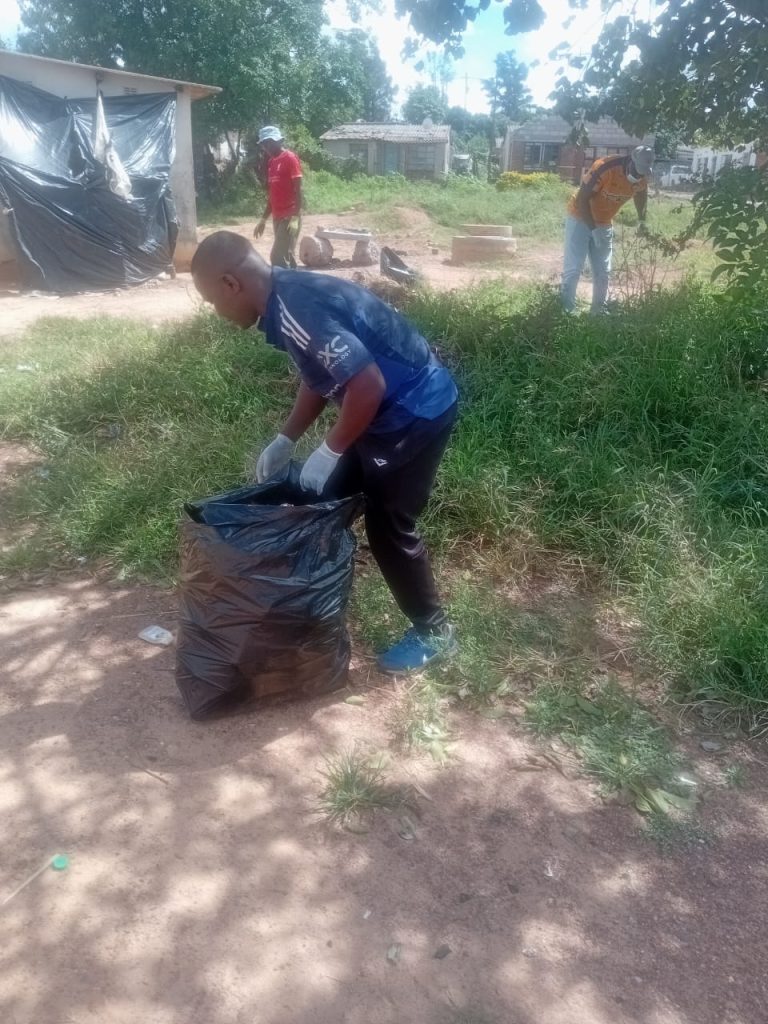
City spokesperson Vimbai Chingwaramusee said schools were being targeted to instil responsible waste management habits among learners from an early age.
“We are going to the people, and we are working with different stakeholders, including the Ministry of Education and churches, to ensure that the message of proper waste management reaches communities,” Chingwaramusee said.
Learners are being encouraged to use designated waste disposal points, avoid littering and illegal dumping, separate recyclable materials and keep waste out of drains and open spaces.
The city expects learners to take the message home and influence their families to adopt responsible waste disposal practices.
Schools are also being encouraged to provide adequate bins, ensure regular refuse collection and establish environmental clubs to promote recycling, waste separation and clean-up campaigns.
The campaign is also targeting churches, which are viewed as important partners because of their reach within communities.
Chingwaramusee said churches could reinforce waste management messages through sermons and community programmes, while providing bins at places of worship and mobilising congregants to participate in neighbourhood clean-up campaigns.
Several churches have already welcomed the initiative, she added.
Residents have also been urged to follow waste collection schedules and use designated disposal points as efforts to curb illegal dumping intensify.
Gweru Residents and Ratepayers Association director Cornelia Selipiwe said the campaign’s success will hinge on more than public awareness, calling for reliable refuse collection, adequate waste disposal infrastructure and firm action against illegal dumping.
He, however, noted that engaging learners and faith communities could help drive behavioural change beyond schools and churches, extending into homes and the wider community.