Controversy surrounds three well-known Zimbabwean figures, former first lady Grace Mugabe, Walter Magaya and Dexter Nduna, over alleged fake academic qualifications.
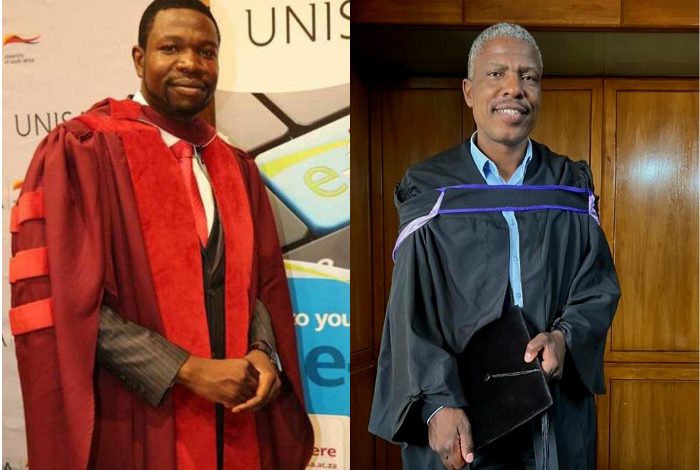
Recent revelations suggest that the three may have falsified their credentials, despite their previous claims to hold degrees from reputable institutions.
Grace Mugabe obtained a PhD in record time from the University of Zimbabwe when her husband was the number one citizen and Prof Levy Nyagura was the head of the learning institution.
Nyagura was dragged to the courts soon after the coup in 2017 that removed Mugabe from power for allegedly aiding Grace Mugabe to obtain the PhD in a fraudulent manner.
Prominent preacher and leader of the Prophetic Healing and Deliverance (PHD) Ministries, Walter Magaya, has come under scrutiny for allegedly misrepresenting his academic background.
Magaya had often stated that he obtained a marketing degree from the University of South Africa (UNISA).
However, investigations have revealed that his name does not appear in the university’s records as a graduate. This discovery has sparked widespread criticism, particularly given Magaya’s influential status in religious and business circles.
The exposé has left many of his followers questioning his credibility, with some expressing feelings of betrayal.
The controversy surrounding Magaya is further compounded by past allegations, including those about his purported discovery of Aguma a herbal remedy he once promoted as a cure for AIDS and other business dealings that have been met with skepticism.
Similarly, Dexter Nduna, a former Member of Parliament and senior Zanu PF member, is facing backlash over his academic qualifications.
Nduna had previously declared that he earned a law degree from the University of Zimbabwe (UZ). However, recent reports indicate that he had failed some of his courses, casting doubt on his claims of being a graduate.
The exposure of these alleged false credentials has sent shockwaves through Zimbabwe’s political and public spheres.
Many citizens are now questioning the integrity of high-profile individuals who hold significant positions of influence.
The unfolding scandal has reignited discussions about the importance of transparency and honesty, especially for public figures who command trust and authority. The revelation of fabricated qualifications raises concerns about accountability and the consequences for individuals who misrepresent their academic achievements.
This incident serves as a reminder of the critical role of credibility, particularly for those in leadership positions, and the long-term impact of deceit on public trust. online

