Martin Muleya
A groundbreaking report launched by BirdLife International has shed new light on the vital role vultures play in maintaining ecosystem health and promoting human well-being in Southern Africa.
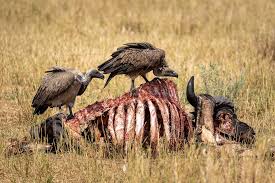
The report, which documents the economic value of ecosystem services provided by vultures, marks a significant milestone in the conservation of these majestic birds. According to the report which focused on Botswana, Zimbabwe and Zambia, vultures provide ecosystem services including bequest values, sanitation and pest control services, totaling to US$1.8 billion per year, including sanitation and pest control services to human health valued at US$93 million per year in the three countries.
Africa is home to eleven species of vultures. Seven face the risk of extinction. Vultures are essential in maintaining ecological balance by scavenging on decaying carcasses, have experienced alarming declines, with African vulture populations plummeting by 80-97 percent over the last five decades.
The main threats include poisoning (responsible for 61 percent of recorded vulture deaths across Africa); belief based use (29%) and electrocution by energy infrastructure (9%).
BirdLife Zimbabwe, Preventing Extinctions Programmes Manager Leeroy Moyo reiterated that vultures are a keystone species, playing a unique and crucial role in maintaining ecosystem balance. Moyo said the report highlighted the significant economic benefits of vulture conservation and demonstrated the urgent need for policy and community support to protect these magnificent birds.
“As BirdLife Zimbabwe, this report is intended to support policy advocacy for vulture conservation. It seeks to enhance awareness among local communities and stakeholders regarding vultures’ essential role in maintaining the ecosystem health and promoting human well-being. By integrating these findings into national conservation strategies, we aim to continue mitigating threats such as poisoning, habitat loss and illegal trade thereby ensuring a sustainable future for vulture populations in Zimbabwe and the ecosystems they support,” he explained.
BirdWatch Zambia Programmes manager Mary Malasa weighed in saying vultures were not just scavengers but rather are ecosystem engineers whose recognition and importance need to be taken seriously. Malasa said the report was a step in the right direction.
“Vultures are not just scavengers; they are ecosystem engineers. We need to recognize their importance and take action to protect them. It is particularly interesting to interact with local communities and gain first hand insights into their perspectives while collecting their data. Quantifying vultures’ role as nature’s clean-up strengthens the case for their conservation. This valuation will serve as a tool not only to raise awareness but ensuring that the role of vultures in the ecosystem is appreciated,” she said.
BirdLife and Partners hope that the study will be instrumental in promoting vulture conservation efforts in the Southern Africa region, through provision of critical information on the economic value of vultures and encourage improved efforts in Southern Africa through increased collaborations among governments, civil society and local communities
