There is a quiet kind of strength that never needs to shout. It does not force itself into attention or demand recognition. Instead, it shapes the room through presence alone. Machiavelli understood this long before the modern world began equating volume with impact. To him, true power did not seek applause. It observed. It waited. It acted only when the outcome mattered.
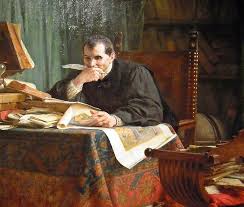
Today, many confuse noise with strength. They argue to be noticed. They defend every opinion because silence feels like surrender. They react to every criticism because they fear being misunderstood. Their energy goes to protecting pride rather than building power. Machiavelli would have seen this clearly. He would have called it insecurity disguised as dominance.
The man who does not rush to respond behaves differently. He hears the insult yet feels no urgency to react. He recognizes the temptation to defend himself, but he chooses patience instead. His silence is not retreat. It is intention. It disrupts those who expect confrontation and forces others to reconsider their assumptions.
This essay explores the quiet and disciplined strength Machiavelli valued. A strength rooted not in aggression or endless conflict, but in restraint, clarity, and emotional composure.
1. Two Archetypes: The Exposed and the Enigmatic
If Machiavelli observed modern behavior, he would see two types of men.
The first reacts at once. He speaks without thinking. His emotions decide his words before his judgment does. He cannot endure disrespect, even when responding gains nothing. His reactions reveal his insecurities and his fears. Anyone who wishes to influence him needs only to provoke him.
Machiavelli warned against this pattern: “He who cannot rule himself will always be ruled by others.” The reactive man believes silence means defeat, so he speaks even when silence would have protected him.
The second man is harder to read. He waits. He listens. He understands that every reaction offers information. The less he reveals, the stronger his position becomes. His calm creates mystery. Others do not know what he feels or what he plans.
This difference is not personality. It is hierarchy. One man is led. The other leads.
2. The Cost of Constant Reaction
Machiavelli watched rulers fall not because of powerful enemies, but because they wasted strength on unworthy conflicts. They fought to protect ego, not power.
The same is true today. A man who reacts to everything drains himself over nothing. He confuses attention with influence and anger with control. Over time, people view his reactions not as strength, but as instability.
A single argument may feel justified. Many reveal dependence. The habit of reacting becomes a weakness.
Silence in these moments is not avoidance. It is choosing stability over the need to be right.
3. The Real Opponent: Ego
Weakness often hides behind the need to explain, defend, or correct others. The ego whispers that every insult requires a response, and every challenge demands a counterattack.
Machiavelli understood that the greatest battles are internal. “Men judge by what they see rather than what they feel.” A wise ruler accepts this truth, but he does not allow public opinion to dictate his emotional state.
The man who relies on validation can be controlled. A simple comment can unsettle him. A single disagreement can change his behavior.
The man who values inner stability over approval is free. His worth does not depend on applause or argument. It rests on self-respect.
This is not indifference. It is emotional governance.
4. Silence as Strategy
A reaction provides information. Silence removes it.
When someone attempts to provoke you and you remain calm, the script breaks. The aggressor expects tension. Instead, they face uncertainty. They do not know whether you are unaffected or preparing something they cannot anticipate.
Uncertainty creates discomfort. People fear what they cannot measure.
Silence denies the aggressor clarity. The conflict remains unresolved and unsettled. It becomes something they think about long after the moment passes.
Silence does not run from conflict. It controls its timing.
5. When Silence Ends
Strategic withdrawal does not mean avoiding confrontation. Machiavelli respected decisive action when the stakes required it.
A response is necessary when:
• Your dignity or authority faces meaningful threat.
• Silence would normalize disrespect.
• The outcome strengthens your long-term position.
A wise man responds with purpose, not emotion. He speaks when the timing serves him, not when provoked.
6. The Modern Battlefield: Access and Oversharing
Today, people reveal everything. They argue publicly. They explain themselves to strangers. They treat visibility as value.
Machiavelli would have seen this as a loss of leverage.
“A prince must learn to be both loved and feared. If he must choose, let him be feared.”
When anyone can reach you, influence you, or provoke you, your presence loses significance.
Withdrawal is not disappearance. It is selective access.
7. The Man Who No Longer Needs to Fight
The most powerful man is not the one who battles constantly. It is the one who does not need to. His restraint makes others cautious. People think before provoking him because they do not know how he will respond.
Hierarchy forms naturally, not from intimidation, but from grounded presence.
Authority becomes quiet and undeniable.
8. Building the Discipline of Withdrawal
Strategic restraint requires practice.
A disciplined man learns to:
• Pause before speaking.
• Allow silence to carry meaning.
• Walk away when conflict serves no purpose.
• Speak only when his words carry weight.
Respect is not created by silence alone, but by silence with intention.
9. Stillness That Commands Respect
In a world obsessed with immediate reactions, the man who waits stands apart. People fear losing his respect more than he fears losing theirs.
They adjust their behavior to him. He does not adjust to them.
That is where true power begins.
10. Final Reflection
Power does not come from reacting to everything. It comes from knowing what deserves your time and what does not.
A powerful man chooses his responses. He chooses restraint over impulse. He chooses peace over ego. He becomes unpredictable, unprovoked, and unmanipulated.
So speak only when your voice has purpose. Walk away when the battle is beneath you. Respond only when the outcome matters.
Because the man who does not need to fight is the one others fear provoking.
In the stillness where restraint replaces reaction, a different kind of strength emerges. One that does not depend on noise or confrontation.