By Bigboy Madzivanzira
Child bullying has become a pervasive issue in Zimbabwean schools, with recent incidents highlighting the severity of the problem. The cases of students in higher classes tormenting those in lower classes, particularly form ones, are deeply concerning.
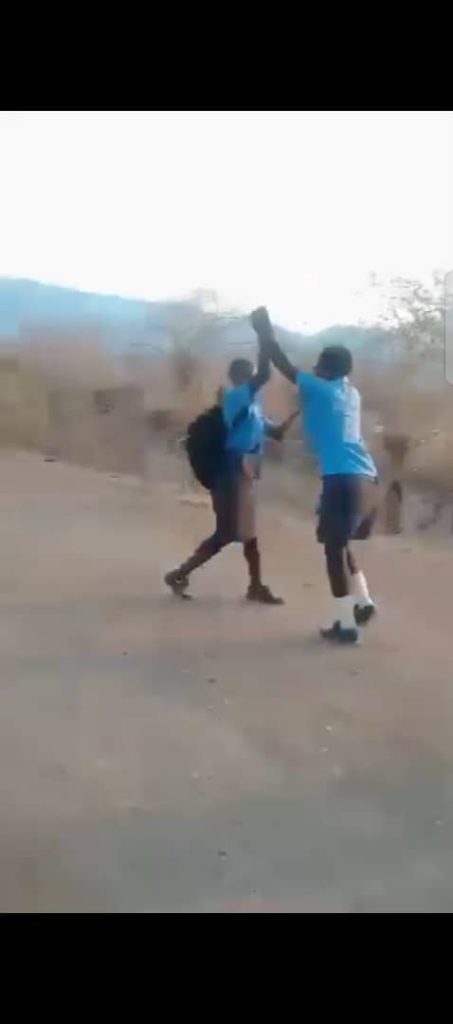
Forms of Bullying
Reports have emerged of physical and sexual abuse, including the gang rape of a form one girl by two form four boys. Additionally, there have been instances of form six girls bullying and harassing form one girls, creating a toxic environment that can have long-lasting effects on the victims.
Recent Cases
Several incidents have made headlines, showcasing the gravity of the situation:
– A 15-year-old boy from Bulawayo took his own life after complaining of bullying.
– A Form Two learner at Msengezi High School suffered a broken jaw due to bullying.
– A Form Four learner at St Columba’s High School in Bulawayo was stabbed by a fellow student.
– Wayne Ndlovu, a 16-year-old student, was stabbed to death by a fellow student from Hamilton High School.
Reactions from Different Sectors
The issue of bullying in schools has sparked reactions from various stakeholders:
– Ministry of Education: “We are committed to creating a safe learning environment for all students. Bullying will not be tolerated, and we are working on strengthening our policies to address this issue,” said a spokesperson for the Ministry of Primary and Secondary Education.
– Parents: “As parents, we are deeply concerned about the safety of our children in schools. The government needs to do more to protect our children from bullies,” said Mrs. Smith, a parent from Bulawayo.
– Students: “Bullying is a serious problem in our schools. We need to create a culture of respect and empathy among students. No one should feel afraid to come to school,” said Tanaka, a student leader.
– Teachers: “Teachers are on the frontline and often struggle to manage bullying in classrooms. We need more support and resources to help us address this issue effectively,” said Mr. Moyo, a teacher at a local high school.
– Child Rights Activists: “Bullying is a violation of children’s rights. The government and schools must do more to prevent bullying and support victims,” said Rumbidzai, a child rights activist.
The Cycle of Bullying: When Leaders Become Victims
A concerning trend has emerged where teachers, who are supposed to be at the forefront of combating bullying, are themselves becoming victims of disrespect and bullying from their students. This phenomenon raises critical questions about how educators can effectively address bullying when they are struggling to maintain authority and respect in the classroom.
The Challenges Faced by Teachers
Teachers often find themselves in a difficult position, tasked with managing classrooms, teaching curriculum, and addressing the emotional and social needs of their students. When students disregard their authority, it can create a challenging environment for both teaching and learning.
The Impact on Bullying Prevention
When teachers are victims of disrespect, it can undermine their ability to effectively address bullying. Students may be less likely to respond to teacher-led initiatives aimed at preventing bullying if they do not respect their teachers. This dynamic can perpetuate a cycle of disrespect and bullying, making it difficult to create a safe and supportive learning environment.
Breaking the Cycle
To break this cycle, it’s essential to address the root causes of disrespect and bullying. This may involve:
– Teacher Support and Training: Providing teachers with the necessary skills and resources to manage classrooms effectively and build positive relationships with students.
– Student Engagement: Encouraging student participation in creating a positive school culture and promoting respect for teachers and peers.
– Parent and Community Involvement: Engaging parents and the broader community in efforts to promote respect and discipline in schools.
A Global Perspective: Addressing Bullying in Other Countries
Bullying is a global issue, and different countries have implemented various strategies to address it:
– Strong Anti-Bullying Laws: Countries like Canada and the UK have implemented strong laws to protect students from bullying.
– Evidence-Based Programs: Some countries have implemented evidence-based programs to reduce bullying and promote a positive school climate.
– Student Empowerment: Encouraging student participation in creating a positive school culture has been effective in reducing bullying.
A Call to Action
Addressing bullying requires a multifaceted approach that involves teachers, students, parents, and the community. By working together and learning from other countries, we can create a safe and supportive learning environment where everyone can thrive.
Support for Victims
If you or someone you know is a victim of bullying, there are resources available to help. Reaching out to trusted adults, such as teachers or parents, can be a crucial step in seeking support. About the Author:
Bigboy Madzivanzira is a multifaceted professional with expertise in health promotion, medical rehabilitation, special needs education, Family Therapy and freelance journalism. He is a registered:
– Health Promotion Practitioner with the Allied Health Professions Council of Zimbabwe
– Medical Rehabilitation Practitioner with the Medical Rehabilitation Practitioners Council of Zimbabwe
– Freelance Journalist accredited by the Zimbabwe Media Commission
He can be contacted on:
– Phone: 0773367913
– Email: healthpromotionclinic@gmail.com
Bigboy Madzivanzira is also the founder of the Health Promotion Clinic Trust, which provides various services, including physiotherapy, rehabilitation, and education, with a focus on supporting individuals with disabilities

