Female soldiers deployed in the Democratic Republic of Congo (DRC) were repatriated after becoming pregnant during their mission.
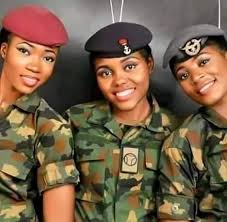
This situation has brought attention to the broader issue of s@xual conduct and misconduct among peacekeeping forces in conflict zones.
The South African National Defence Force (SANDF) has previously faced allegations of s@xual misconduct involving its personnel in the DRC.
In October 2023, eight SANDF soldiers were recalled following accusations of s@xual exploitation and abuse.
These soldiers were alleged to have violated curfew and engaged in activities at a bar known for transactional s@x.
The United Nations (UN) responded by repatriating the implicated individuals and initiating investigations into the incidents.
The challenges of maintaining discipline and upholding ethical standards among peacekeeping troops are not unique to South Africa.
Globally, peacekeeping missions have grappled with issues of s@xual exploitation and abuse. The UN has implemented a zero-tolerance policy and established measures to address and prevent such misconduct.
However, incidents continue to surface, highlighting the complexities of enforcing conduct standards in diverse and often volatile environments.
In response to these challenges, there have been legal precedents addressing the rights of female soldiers.
For instance, in 2018, the Lesotho High Court ruled against the discharge of female soldiers due to pregnancy, recognising their sexual and reproductive rights.
This landmark decision underscored the importance of upholding the rights of women in the military, even in the face of institutional policies that may seek to penalise them for natural life events.
