MILLICENT HUNGWE
BIKITA-Nyika in Bikita District has made history after becoming the first growth point in Masvingo Province to have traffic lights.
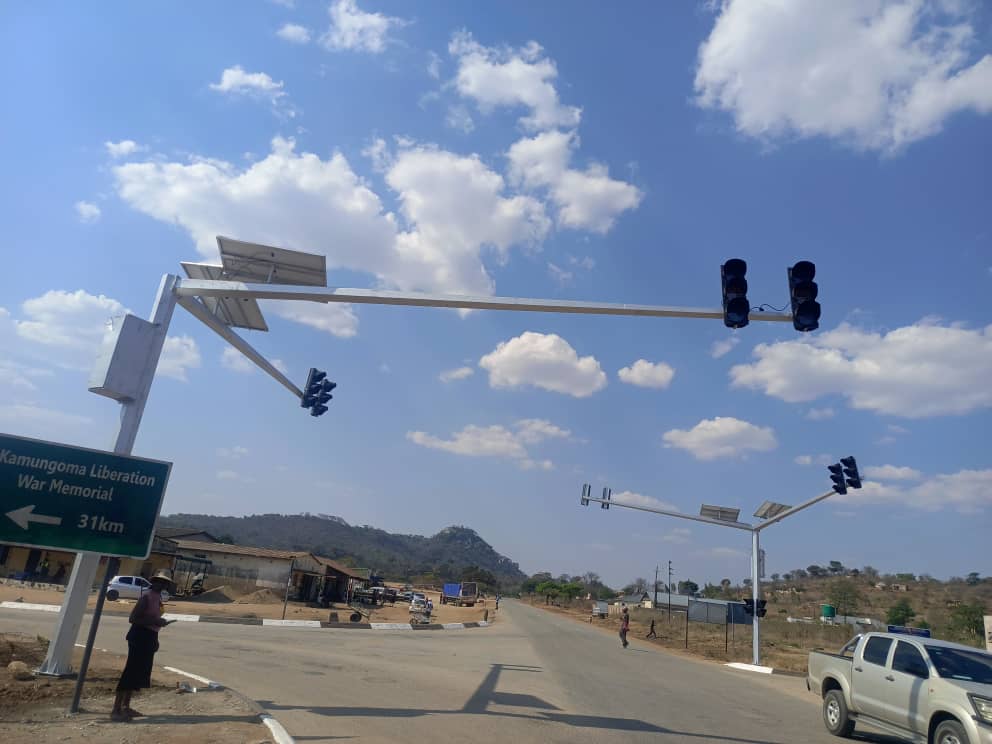
In a development aimed at improving road safety and traffic management, new traffic lights were successfully installed last week at Nyika Growth Point, a move welcomed by both local authorities and residents.
Speaking to The Mid-week Watch, Bikita Rural District Council Acting CEO Arnold Mtuke confirmed the installation, stating, “We have installed the traffic lights last week and we are now left with programming, which we expect to complete this week.
“Starting next week, they will be fully functional.”
He explained that the installation is part of a broader safety strategy, especially considering the location of Ngwindingwi High School and Gumundu Primary School near the highway.
“We fear for our children, and this development was crucial to protect them. The traffic lights will help reduce vehicle speeds and create a safer environment for the Nyika community.”
The Acting CEO also pointed to the recent opening of a Redan fuel station near the center, which has led to an increase in vehicle movement and speeding, the lights will help regulate traffic, reducing congestion and accidents.
Kombere Mungazi, spokesperson for the Bikita Residents and Ratepayers Association, welcomed the development, saying, “It was indeed a red spot where these lights have been placed, and it’s a positive move.”
However, he urged the council to prioritize other pressing issues such as water shortages and road maintenance.
Meanwhile, Masvingo Provincial Roads Engineer Augustine Chigwereve confirmed that road rehabilitation along the Mutare-Masvingo highway is underway, with 3km completed and 14km remaining near Nyika.
He advised drivers to exercise caution in the construction zones.
One resident, who requested anonymity, expressed gratitude, “This shows the Government is serious about achieving an upper-middle-income economy by 2030, leaving no one and no place behind. Accidents had become common, especially during peak hours, and this will surely reduce them.”
