MARTIN MAWAYA
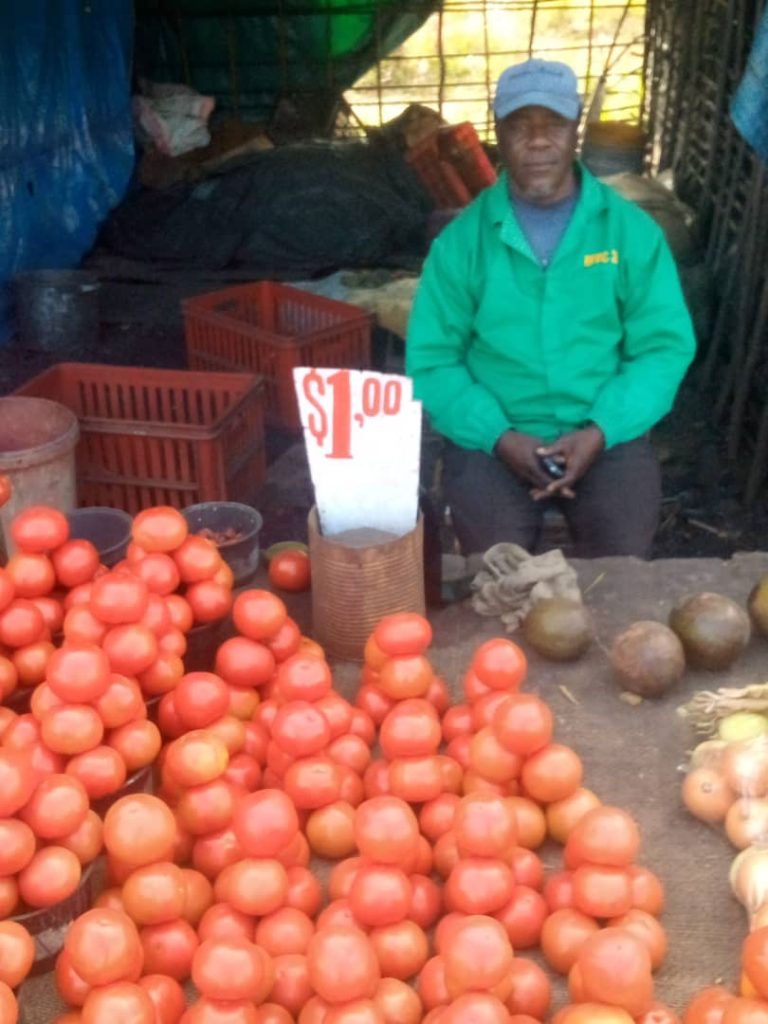
GWERU-A makeshift waste collection centre in Mtapa has degenerated into a major public health threat, amid growing concern over poor sanitation, sewer spillages and its proximity to fresh food market.
Investigations by The Midweek Watch reveal that the site, located near a stream and an apostolic sect church within the busy fruit and vegetable market, is exposing traders and residents to potential disease outbreaks.
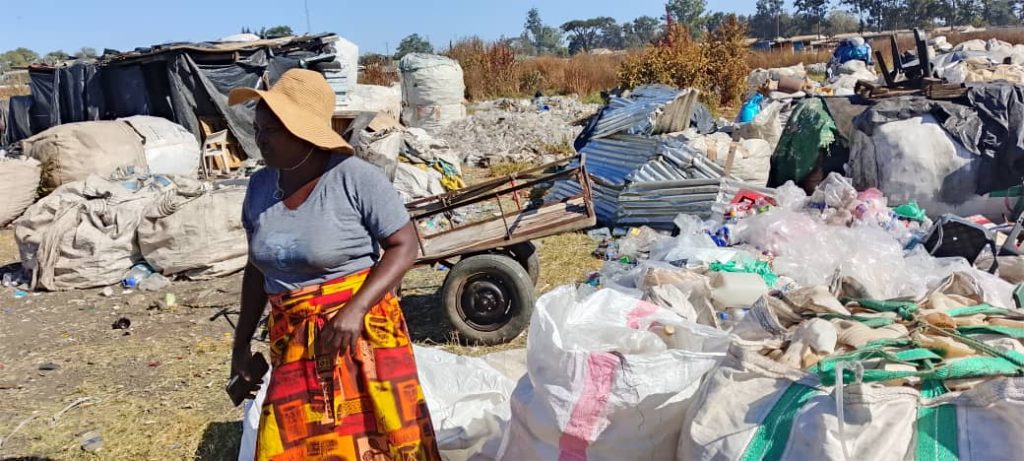
The site, with no proper infrastructure and ablution facilities, has become a waste collection hub used for collecting and sorting empty cans, plastic bottles and other recyclable materials.
While the recycling trade has become an important source of income for many families and underscores the critical role informal actors play in waste recovery, but it also highlights the vulnerability of those working in unsafe environments.
Compounding the situation at the makeshift waste collection centre is a nearby main sewer line, which residents say frequently bursts, releasing raw effluent into the waste site, surrounding areas and a stream that feeds into Gweru river.
At the site, heaps of used containers are piled, while swarms of flies move between the waste and nearby fresh produce, raising fears of contamination.
Public health experts have warned that the conditions at the site present a high risk of waterborne diseases such as cholera and typhoid.
“The makeshift waste collection centre’s close proximity to food markets creates a dangerous environment,” said an environmental health practitioner on anonymity for professional reasons.
“This is a serious public health concern that requires urgent attention.”
Vendors operating near the site expressed concern over the impact on their businesses and health.
“We sell fruits and vegetables close to this area, but the smell and flies are a problem, especially when the sewer bursts,” said Gweru Traders Association chairperson Everisto Mbenjani. “Customers are beginning to complain, and we fear for our health.”
Informal waste collectors, who depend on sorting recyclable materials for survival, said they were working under difficult and unsafe conditions.
“We are trying to make a living, but there is no proper place for us to work,” said one collector Patricia Samukange. “We need support from authorities so that we can operate in a ‘clean’ and safe environment.”
Environmental expert Peter Makwanya said poorly managed waste sites not only pose immediate health risks but also contribute to environmental degradation and climate change.
“When organic waste decomposes in open spaces, it releases methane gas, which contributes to global warming,” said Makwanya who is also a climate change specialist. “There is also a risk of water pollution when waste and sewage seep into nearby streams.”
Gweru City Council officials acknowledged the challenges and said measures were being considered to address the situation.
“We appreciate the role being played by informal collectors in recycling, but the current situation at Mtapa is not sustainable,” said council spokesperson Vimbai Chingwaramusee.
“There is need to formalize these activities and provide proper infrastructure.”
Experts argue that the solution lies in creating structured waste collection and recycling centres equipped with sanitation facilities, proper drainage systems and designated sorting areas.
They also emphasized the need to integrate informal waste collectors into the formal system through training and provision of protective equipment.
“There is an opportunity to turn this into a model recycling hub,” said a waste management specialist Professor Remigios Mangizvo. “With proper planning, the site can support livelihoods while protecting public health and the environment.”
Residents and traders have urged authorities to act swiftly, warning that failure to address the situation could result in serious health consequences for the community.
The Mtapa waste site, they say, must be transformed from a hazard into a properly managed facility that safeguards both livelihoods and the environment.
As it stands, the Mtapa recycling centre reflects the growing pressures facing urban areas, where economic survival and environmental management are increasingly at odds.
Without swift intervention, authorities risk allowing a critical livelihood activity to evolve into a full-blown public health crisis, with consequences that could extend far beyond the confines of Mtapa market.