MARTIN MAWAYA
GWERU City Council’s mid-year budget review has exposed deep financial and operational challenges, with sluggish revenue collection, ballooning debts and slow moving capital projects threatening the local authority’s service delivery targets.
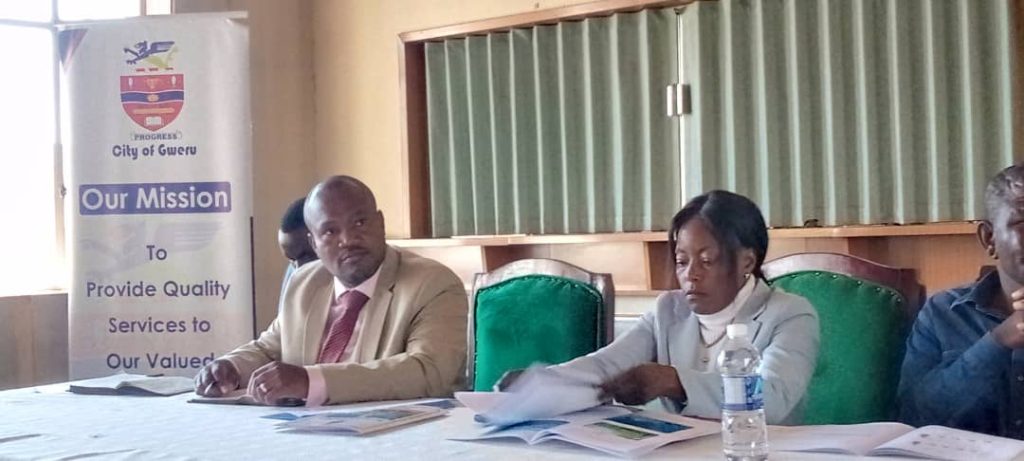
Presenting the review during the 2026 pre-budget consultations, deputy finance director Owen Masimba said the city had set annual billing of US$37.9 million for 2025, with efficiency ranging from 79% to 96%.
June recorded the highest monthly billing at US$3.04 million.
However, between January and June, the average collection rate was 61%, with April being the worst month at 52%, while May peaked at 68%.
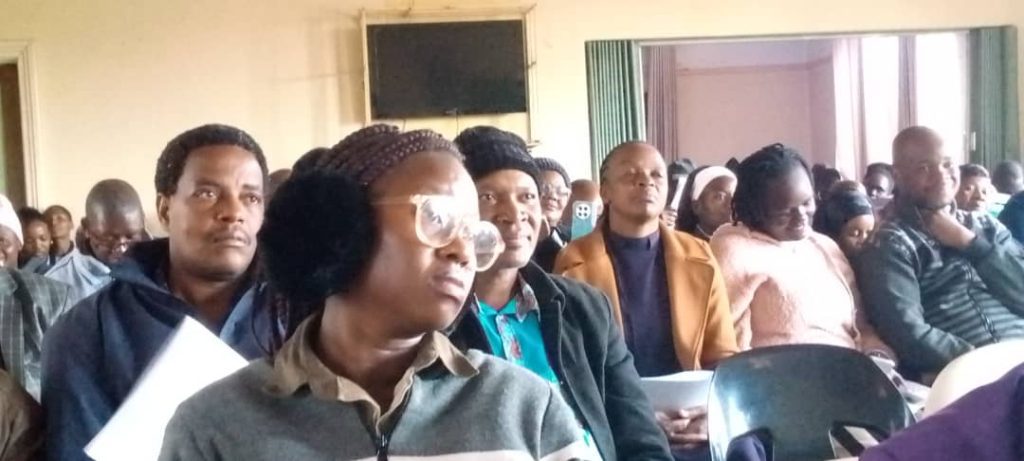
The local authority set an annual income target of ZWG 1,767,157,760.
By June, total income stood at ZWG 644.8 million, about 73% of the mid-year target of ZWG 883,578,880.
Property taxes brought in ZWG 232 million (72%), service charges ZWG 253 million (68%), while government grants contributed just ZWG 7.2 million (40%).
No capital grants had been received and in United States dollars terms, the city earned US$2.79 million, with land sales generating US$44,444.
Masimba warned that overreliance on rates and service charges left the city vulnerable, especially as economic hardships eroded residents’ ability to pay.
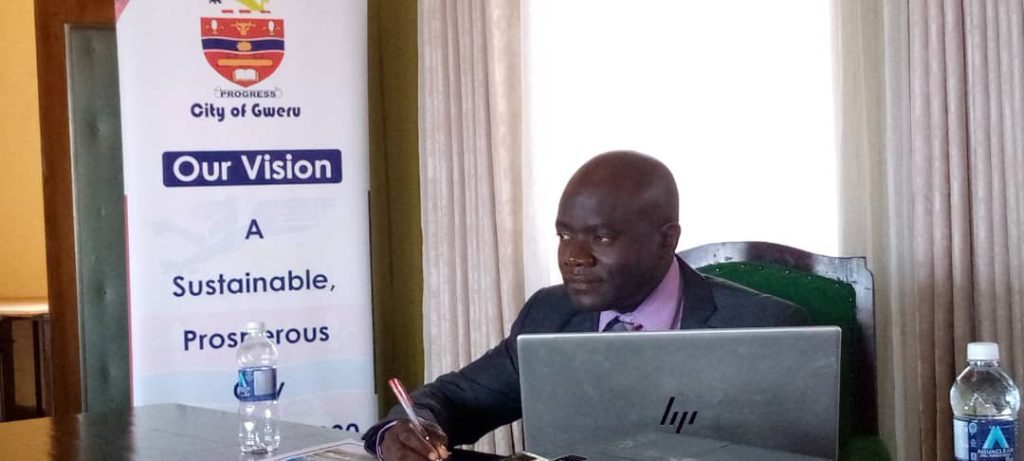
“You will note that rates and service charges remain the backbone of our income, while grants and other income streams remain modest. This calls for a diversified revenue strategy,” he said.
Debtors swelled to ZWG 737 million, led by high-density domestic areas (ZWG 194 million), government departments (ZWG 121 million) and commercial clients (ZWG 99 million).
On the expenditure side, council had spent ZWG 526.6 million, or 60% of target.
Salaries and wages accounted for ZWG 194.2 million (76%), goods and services ZWG 88.6 million (93%) and repairs ZWG 222.8 million (57%).
Capital project execution was below 30% in most cases.
Roads projects used 20% of their allocation, water infrastructure 4% and social amenities 27%, while electricity infrastructure overshot its target to 356%.
Masimba cited slow disbursements, supplier delays and procurement bottlenecks as major obstacles.
“We must speed up implementation if we are to meet our service delivery targets,” he urged.
Payables stood at ZWG 180.9 million by June, including ZWG 126.7 million owed to ZETDC and ZWG 26.7 million to the Local Authorities Pension Fund, further straining cash flows.
Despite these pressures, the city recorded service delivery gains.
Daily water pumping increased from 45 to 52 megalitres, three clinics were renovated, a fire and ambulance substation was established in Mkoba 13, and two ambulances were procured.
In Mtapa, 212 housing units were placed under home ownership.
Twelve Utility vehicles were procured, with three expected to be delivered.
Roads in Mkoba 7 were resurfaced, 46km were regravelled citywide and traffic lights were installed at four CBD intersections, with 12 more planned.
Masimba said the local authority was accelerating automation and digitisation of financial systems to improve efficiency and accountability, with the 2024 audit set for completion by October 31.
“Partnerships with residents, businesses and civic organisations remain crucial,” he said.
The 2026 budget consultations will focus on diversifying revenue streams, strengthening debt recovery and unblocking capital project delays.
