…as load shedding drives surge in demand
Faith Ndou
Zimbabwe’s worsening load shedding has led to a sharp increase in the use of solar energy for power, as households and businesses scramble for affordable alternative energy sources.
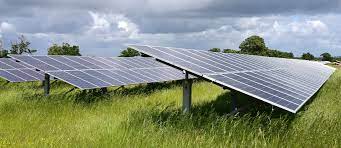
However, the influx of solar power is not without its own challenges as there is a high risk that the market is flooded with fake products which may be hazardous to the environment and users as well.
Authorities and industry experts are warning that counterfeit and substandard solar panels are flooding the local market, putting consumers at risk of financial loss and using unsafe products.
Engineer Edington Mazambani, Chief Executive Officer of the Zimbabwe Energy Regulatory Authority (ZERA) confirmed that the Authority has recently enhanced its capacity to test solar products. “ZERA recently procured equipment for testing solar products such as panels, inverters and batteries. ZERA now has the capacity to test the quality of imported solar panels,” Mazambani said.
He explained that Zimbabwe has adopted internationally recognized safety and quality standards for solar products, notably the International Electrotechnical Commission (IEC) standards. IEC 61215 specifies requirements for the design and long-term outdoor performance of photovoltaic (PV) modules, while IEC 61730 covers safety qualifications, preventing risks such as electrical shock, fire and mechanical injury.
Mazambani said that inspections are carried out through random checks at retail level as part of market surveillance and products may also be inspected during and after installations.
At the country’s entry points, quality checks are supposed to be enforced by the Zimbabwe Revenue Authority (ZIMRA) and the Ministry of Industry and Commerce through the Consignment Based Conformity Assessment (CBCA) regulations. Products without CBCA certificates are considered smuggled and often substandard.
He acknowledged, however that coordination challenges remain.
“Although there is good coordination between ZERA and other bodies like ZIMRA and the Standards Association of Zimbabwe (SAZ), it is important to acknowledge that our borders are very porous, and as such substandard products may still be smuggled into the country. Government communicated that the CBCA regulation is intended to curb substandard products at the country’s entry ports,” Mazambani said.
ZERA has introduced several measures to protect consumers. The Authority is developing solar products and installation regulations, which are now at an advanced stage of promulgation. ZERA has also created a solar products registration system with support from COMESA, intended to phase out substandard products, and has procured PV test equipment for panels, inverters and batteries.
Additionally, ZERA registers renewable energy service providers and has developed a database for consumer reference. The regulator is training installers nationwide with over 1,000 trained to date, to improve workmanship in solar installations.
“ZERA developed quality standards in partnership with SAZ and other key stakeholders. The standards are expected to be enforced through regulations that are under development,” Mazambani added.
Asked about penalties, Mazambani revealed that enforcement is still being finalized. “Currently the penalties are still being promulgated according to the draft solar products and installations regulations and will be enforced once the regulations are gazetted,” he said.
The Consumer Council of Zimbabwe said those who buy such gadgets must be on the look out of the contracts’ finer details in order not to suffer prejudice due to poor quality or lack of guarantee.
“According to the Consumer Protection Act (Chapter 14:44) Section 36: (False and misleading representations) this relates to marketing of goods or services using deceptive means, exaggeration, and ambiguity among other factors.
-It’s ideal for consumers to be on the look out for such contracts of sale that are on the rise especially with briefcase companies, and even individuals that are advertising for borehole drilling services only to be paid and then disappearing without providing any services.
-Consumers are also urged to do their own due diligence by checking the history of such companies, check references for any previous work done, and even physical location.
-Suppliers who contravene this section shall be guilty and are liable to a fine not exceeding Level 14 or risk imprisonment for a period not exceeding six months or both,” said CCZ chief executive officer, Rosemary Mpofu.
Retailers and installers, however warn that the problem is already widespread.
A representative from Blue Surge Technologies in Masvingo said that all their products carry QR codes for verification but customer attitudes remain a challenge.
“Brand selection is very important and usually good brands are not very cheap. Unfortunately, our customers usually check the price and conclude without full knowledge of the brand,” the retailer said.
In Beitbridge, installer Witness Chauke urged consumers to verify technical specifications and consult experts.
“Get the correct wattage and voltage from reputable brands like Canadian or JA Solar and consult an artisan before buying. A retailer wants money and will tell you only the advantages not the disadvantages. Some even remove stickers from genuine products and put them on fakes,” Chauke said.
Mutare based installer Josh Electricals warned about technical failures associated with counterfeit panels, including hot spot effects, backsheet tearing and reduced energy output.
“Check for certifications like IEC 61215 and UL standards and demand a proper warranty of at least 15 to 25 years. If a panel has no warranty or only a short one, that’s a red flag,” he advised.
Parliamentarians are also weighing in. Martin Mureri Member of Parliament in Masvingo said the government is working to strengthen oversight of the renewable energy sector.
“Yes, Zimbabwe has several laws and policies that regulate importation and sale of solar equipment, with government actively seeking to improve standards. There is a need to tighten both laws and enforcement systems. ZERA and other stakeholders have already taken steps to address the problem, to ensure performance, prevent hazards and protect consumers,” he said.
Mureri added that while no bill has yet been tabled in Parliament, extensive discussions on renewable energy quality standards and regulations have taken place in 2024 and 2025.
He proposed tough penalties for offenders. “I propose a jail term of up to 10 years, forfeiture and destruction of fake solar panels and equipment and restitution.”
For now, industry experts are urging consumers to exercise caution, buy only from registered retailers, demand warranties and certifications, and avoid being lured by cheap prices.
As regulatory frameworks are being strengthened, consumers have been urged to remain vigilant.
A social scientist based in Midrand South Africa, Makaitei Sylvia Zhakata said the country is caught in a catch 22 situation due to lack of technical information on the solar panels and other energy supplements.
“Both the consumers and the regulatory authorities are fumbling in the dark as no one has come out with clear pathways to follow when it comes to solar energy, besides saying it is environmentally friendly and is a good substitute or supplement in view of the massive power outages that the country is experiencing.
“Chances are the country could be a dumping ground for sub standard solar panels from the manufacturers and the regulatory authorities have not been very clear on how they control the solar panels entering the country.
“There is definitely a need to come up with a clear framework, which is enforceable in the event of breach, regular raids must be done on retailers and at entry points in order to protect the country from a possible environmental disaster due to dumping as a matter of urgency,” said Zhakata.

