FAITH NDOU
Gutu-Zimbabwe’s push to transform communal cattle farming into a commercial, market driven sector is gathering momentum with rural farmers in Gutu district stepping into a new era of livestock production anchored on efficiency, value addition and profitability.
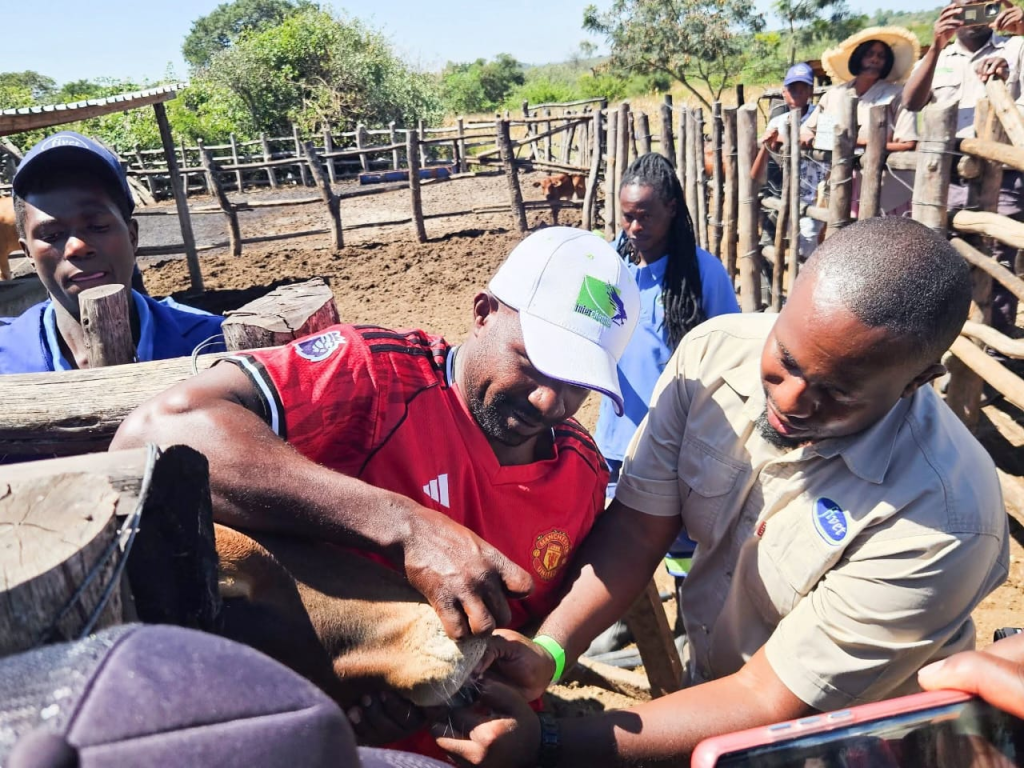
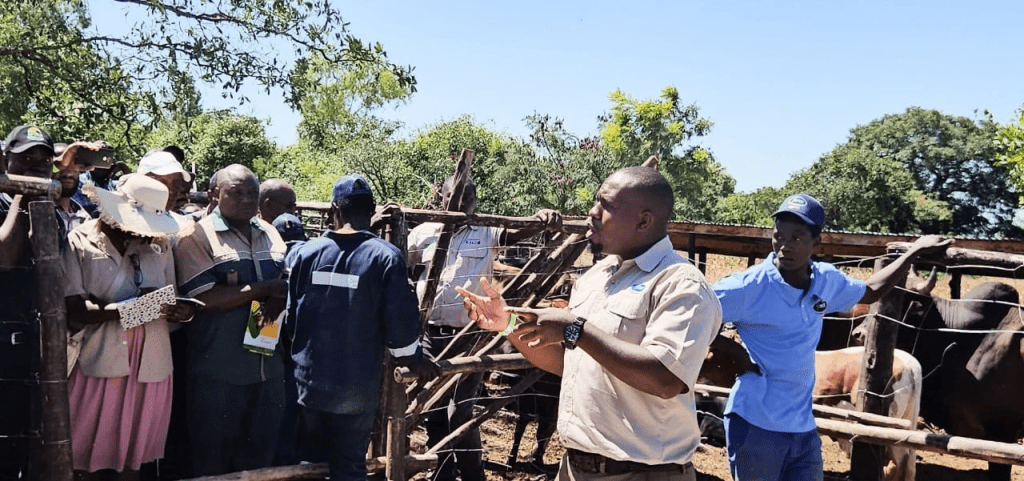
This emerged at a beef field day held at Sonke Farm in Ward 9, Zvavahera village where farmers, extension officers and community stakeholders converged to exchange knowledge on modern beef production systems.
Addressing the stakeholders, Deputy Minister of Lands, Agriculture, Fisheries, Water and Rural Development Davis Marapira said the country is accelerating efforts to transition communal farmers from subsistence practices to a structured, productivity driven model in line with Vision 2030.
“Communal livestock production must move beyond tradition to become a viable business. We are focusing on herd efficiency through optimal breeding ratios, strategic culling and pen fattening to unlock value,” he said.
Marapira noted that improving the quality rather than the quantity of cattle would enable farmers to access better markets and contribute meaningfully to rural industrialisation.
Meanwhile, Director of Livestock and Fisheries Production in the Ministry, Milton Makumbe urged farmers to manage their herds sustainably by selling unproductive cattle.
“Keeping large numbers of unproductive animals puts pressure on available feed. Farmers must adopt a business mindset and focus on productive herds,” he said.
The field day also highlighted the role of private players in complementing government efforts.
On the other hand, Sonke Farm manager, Gamaliel Makuvara said the farm is playing a key role in empowering the local community through training and support programmes.
“We are offering free training to youths under the age of 35 from surrounding communities so that they gain practical skills in livestock production,” he said.
Makuvara also added that the farm also assists local farmers through vaccination programmes during disease outbreaks, helping to safeguard livestock in the area.
In a move aimed at reducing production costs, Sonke Farm has adopted a self sufficient feeding system, producing its own stock feed using on farm formulations instead of relying on external suppliers.
“We focus on sustainability. Producing our own feed allows us to cut costs and remain productive even in challenging conditions,” he said.
Beyond beef production, the farm has diversified into poultry with a flock of 2 000 layers producing over 45 crates of eggs per day, an initiative that is contributing to value addition and income diversification.
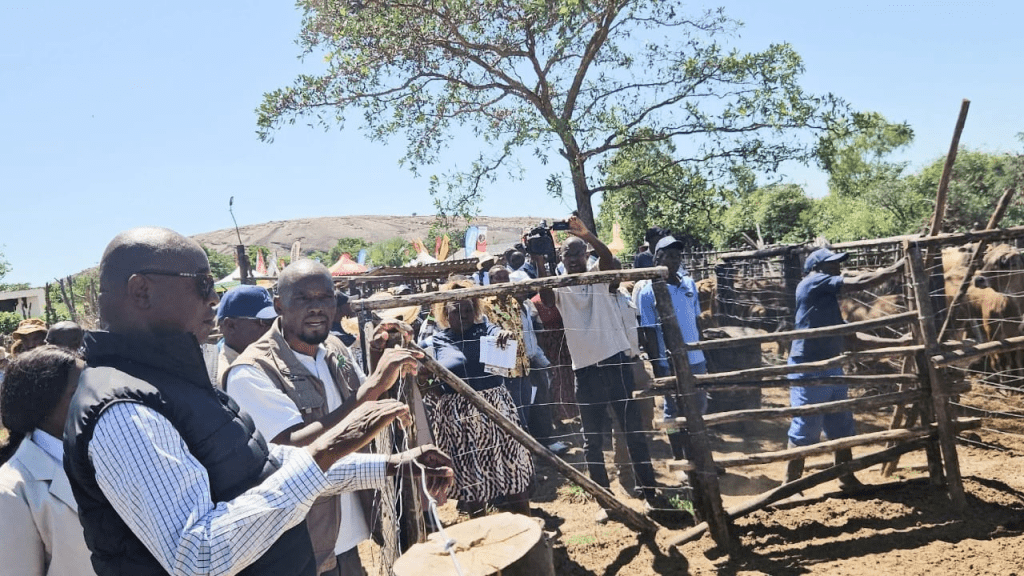
Makuvara also emphasized that the farm supports local farmers by purchasing cattle from them, creating a ready market and strengthening the local livestock value chain.
The beef field day underscored a growing shift within Zimbabwe’s rural communities where knowledge sharing, innovation and partnerships are driving the transformation of livestock farming into a viable commercial enterprise.
As the country advances towards Vision 2030, initiatives such as these are positioning communal farmers not just as producers, but as key players in Zimbabwe’s agricultural economy.