Tendai Muererwa
MUTARE-A multi-stakeholder development initiative that brought together government, donors, financial institutions and development partners to strengthen Zimbabwe’s informal economy has officially come to an end, with stakeholders hailing it as a model for collaborative economic transformation.
The closing ceremony of the Catalysing Economic Development through the Informal Sector (CEDIS) Programme was held on Friday at the Golden Peacock Hotel in Mutare, marking the conclusion of a four-year, $5.8 million initiative funded by the Embassy of Sweden and implemented by Mercy Corps. The programme reached more than 30 000 women and youth entrepreneurs across urban and rural communities in Zimbabwe, focusing on improving access to finance, markets, productive assets and business development services within the informal sector.
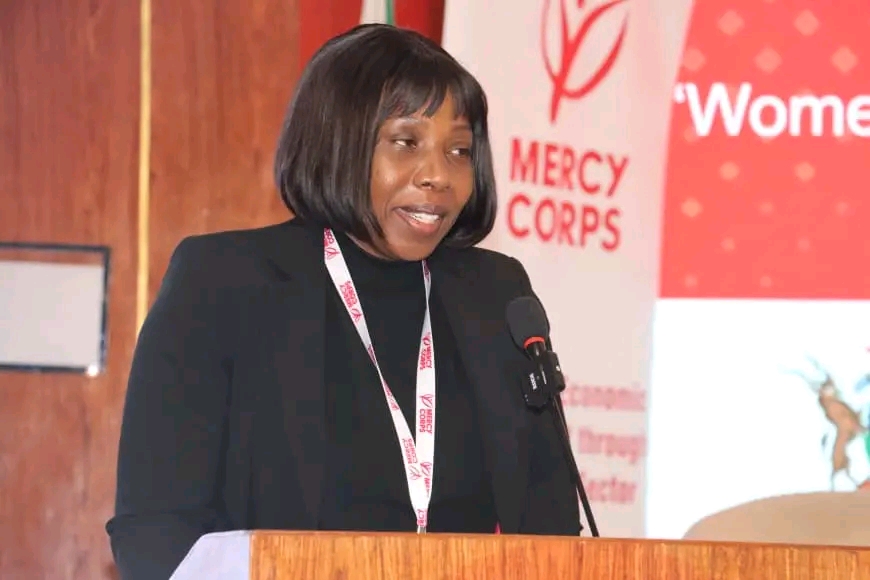
Speaking at the close-out ceremony, Women Affairs, Community, Small and Medium Enterprises Development Minister Senator Monica Mutsvangwa said the programme had played a key role in strengthening women-led enterprises and improving access to finance, markets and business development services.
She said the initiative aligned with national development priorities and helped unlock opportunities in sectors such as agro-processing, manufacturing, renewable energy and waste management, where many women and youth entrepreneurs had previously struggled to access capital and formal markets. “This programme has shown that when targeted support is provided, women and young people are capable of building resilient enterprises that contribute meaningfully to economic growth,” she said.
The Minister said the programme’s success demonstrated the importance of coordinated efforts between Government, development partners and the private sector in driving inclusive economic growth, adding that women remain central to Zimbabwe’s socio-economic transformation through participation in key value chains.
Swedish Ambassador Per Lindgärde said the success of CEDIS reflected the strength of partnerships built during its implementation, noting that locally driven solutions and shared responsibility among stakeholders were key to sustainable development outcomes. He reaffirmed Sweden’s continued cooperation with Zimbabwe despite the planned closure of its embassy, saying development partnerships would remain important in supporting inclusive growth.
Mercy Corps Country Director Mildred Makore said the programme was designed as a market systems intervention aimed at strengthening the ecosystem within which informal businesses operate. She said CEDIS focused on creating linkages between entrepreneurs, financial service providers, markets and business development actors to ensure long-term sustainability beyond donor funding. “Our focus was to stimulate growth within the informal sector through sustainable, private sector-led solutions that continue beyond the life of the project,” she said.
Mercy Corps, which has operated in Zimbabwe for more than two decades, said the programme formed part of its broader commitment to improving livelihoods through market-driven approaches. As the programme concludes, stakeholders say its legacy will be measured by the strength of the partnerships it built—and whether these collaborations continue to support women and youth entrepreneurs as they transition into more competitive and sustainable enterprises.