FAITH NDOU
HARARE-Zanu PF has taken a significant step towards promoting accessibility and inclusion by producing a Braille version of Constitutional Amendment Bill No. 3 (CAB3), enabling visually impaired citizens to access and understand the document.
The initiative aligns with the mantra of “leaving no one and no place behind” by ensuring that persons with visual impairments are not excluded from important national developments.
Braille is a system of raised dots that can be read using the fingers by people who are blind or have low vision. The Braille version of CAB3 was officially handed over to Midlands Province Disability Rights Activist Paul Gumbo at the ZANU-PF Headquarters in Harare last week.
Gumbo, who is visually impaired, commended the ruling party for making the document accessible to people living with visual impairments.
“I really appreciate what the ruling party has done for us as people living with visual impairments,” said Gumbo.
He added that the Braille version had enabled him to better understand the contents of the Bill.
“I now know what CAB3 is all about. Through this Braille copy, I am able to understand some of its clauses,” he said.
Gumbo further appealed to the government to extend the initiative to other legislation, particularly the Disability Act.
“As visually impaired activist. I’m appealing to the government to put a Braille version to all laws and acts that are being worked on so that visually impaired people can access them,” he said.
Another visually impaired citizen, Henry Masungo from Masvingo, also welcomed the move, describing it as an important milestone in advancing accessibility and inclusion.
“As a visually impaired person, I welcome the publication of CAB3 in Braille. Access to information is a fundamental right, and providing legislative documents in accessible formats promotes inclusion, transparency, and meaningful participation of persons with disabilities in national affairs,” said Masungo.
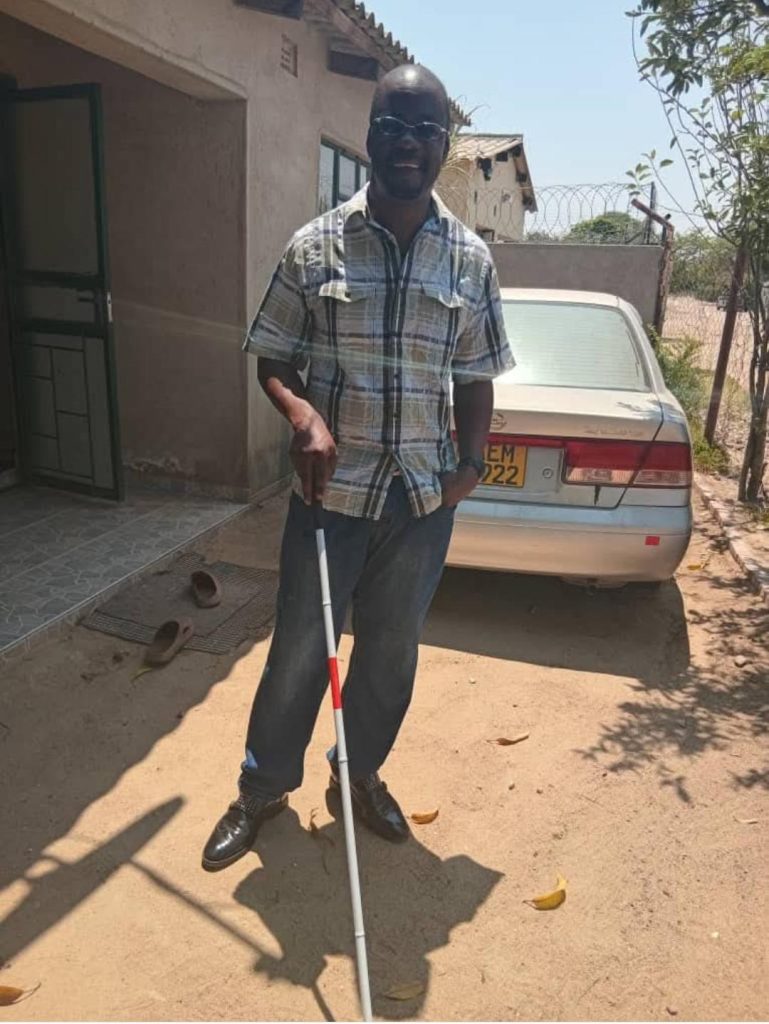
He said the initiative demonstrates a commitment to ensuring that no citizen is left behind in understanding and contributing to issues that shape the country’s future.
Masungo emphasized that regardless of differing views on the Bill itself, making it available in Braille empowers visually impaired citizens to participate in national conversations on an equal footing with others.
“Accessibility enables informed participation, promotes inclusion, and ensures that we, as visually impaired citizens, can engage with national issues on an equal basis with the rest of society,” he said.
Disability advocates have long called for government institutions and organizations to provide public information in accessible formats, arguing that access to information is a key component of equal participation in democratic processes and national development.