Tony Phiri
HARARE – SCOPE Zimbabwe has successfully led a landmark multi-stakeholder validation process for a series of heritage-based educational books aimed at strengthening the integration of indigenous knowledge, food sovereignty and agroecology within Zimbabwe’s education system.
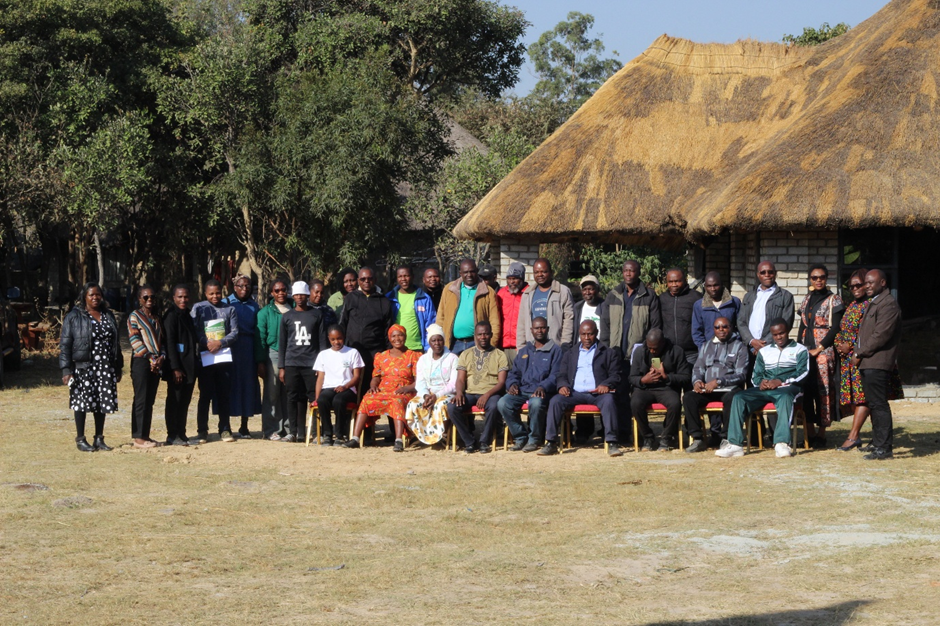
The four-day validation and teacher induction programme, held from June 9 to 12, brought together officials from the Ministry of Primary and Secondary Education (MoPSE), university professors, lecturers, researchers, medical practitioners, teachers, students and community representatives to review and validate educational resources developed through years of participatory learning and community engagement.
The exercise focused on two major publication series: the Seeding Local Cultures Facilitator’s Guides and the My Foods Series, both developed for Infant, Primary, Secondary and Higher and Tertiary Education (HTE) learning levels.
Stakeholders conducted detailed technical reviews to ensure that the books meet national educational standards and are aligned with Zimbabwe’s Heritage-Based Curriculum (HBC), Education 5.0 and the Education for Sustainable Development (ESD) 2030 agenda.
Participants said the publications provide a practical framework for integrating indigenous knowledge systems, local food cultures, environmental stewardship and climate resilience into mainstream teaching and learning.
The My Foods Series promotes the value of indigenous foods such as sorghum, finger millet, traditional vegetables, nhopi, nyii and masawu, while encouraging learners to appreciate local biodiversity, nutrition and sustainable food systems. The books seek to reconnect learners with Zimbabwe’s rich food heritage while supporting healthy dietary practices and climate-smart agriculture.
The Seeding Local Cultures Facilitator’s Guides provide educators with practical tools to integrate agroecology, heritage education and sustainability principles across various learning areas. Developed for different educational stages, the guides offer age-appropriate content ranging from experiential learning activities for young learners to advanced agroecological science and social enterprise concepts for secondary and tertiary students.
During the validation process, stakeholders recommended that the books be incorporated into the Heritage-Based Curriculum framework as complementary learning resources capable of supporting the country’s vision of producing innovative, culturally grounded and environmentally responsible citizens.
Speaking during the programme, participants commended SCOPE Zimbabwe for championing locally driven educational innovations that bridge the gap between classroom learning, community knowledge and sustainable development.
The validation exercise marks an important step towards the institutionalisation of heritage-based learning resources in Zimbabwe. Following the incorporation of recommendations and final approvals, the books are expected to be printed and distributed to schools and institutions of higher learning across the country.
Stakeholders expressed confidence that the publications will contribute significantly to strengthening nutrition education, indigenous knowledge preservation, environmental stewardship and community resilience while advancing the goals of the Heritage-Based Curriculum.


