By Takudzwa Madondo
MUTARE — Manicaland Rugby has embarked on a new approach to player development after partnering with SavannaEd and Vumba Rugby Village Academy to create an education pathway aimed at preparing players for life both on and off the rugby field.
The 12-month pilot programme, known as the Player Education Pathway, seeks to combine rugby development with education, life skills, leadership, career preparation and access to future opportunities.
The initiative comes as the province seeks to strengthen its rugby structures while ensuring that players do not lose sight of their education and careers in pursuit of sporting ambitions.
At the centre of the programme will be a digital player database designed to give the partners a clearer understanding of the players within the provincial rugby system. Players will be profiled according to their rugby background, educational qualifications, employment or training status, skills, career interests, aspirations and development needs.
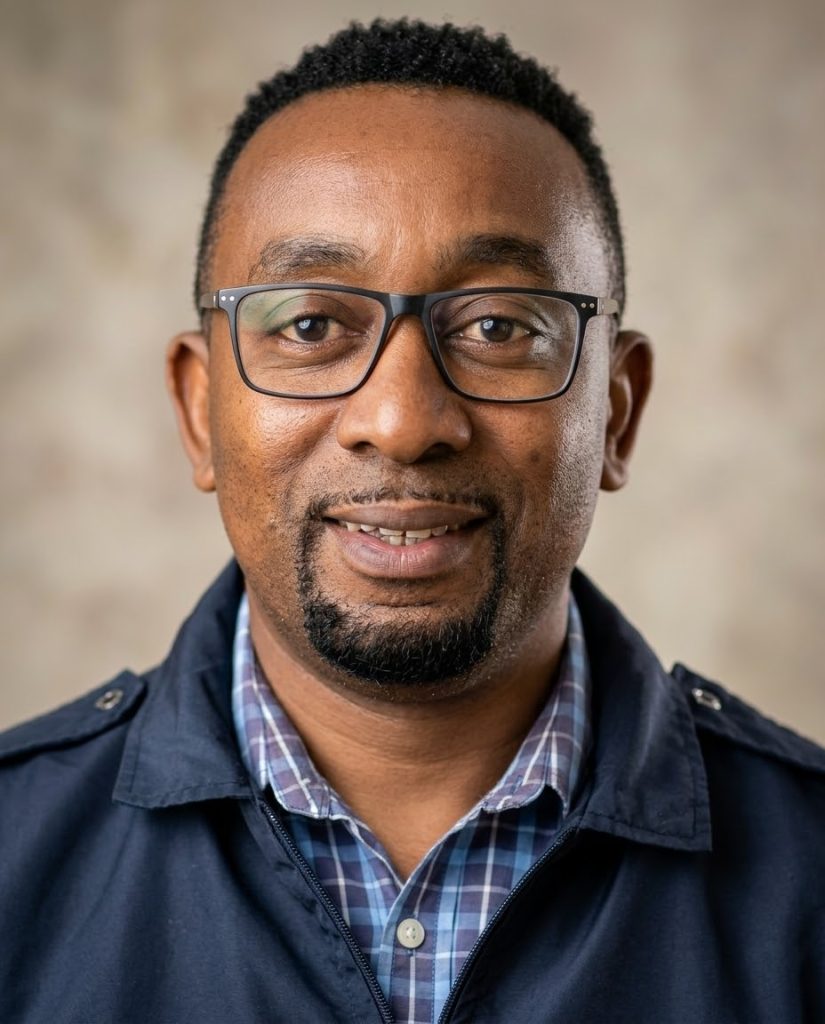
SavannaEd and Vumba Rugby Village Academy Co-founder Blessing Mwalesaid the idea was driven by the belief that development should not stop at the touchline.
“Rugby development should extend beyond what happens on the field and create a pathway that considers the player’s education, personal development, career aspirations and longer-term opportunities,” Mwale said.
The partnership brings together three organisations with complementary roles. Manicaland Rugby will provide the rugby ecosystem and access to clubs and players. SavannaEd will coordinate education, life-skills development and relationships with potential opportunity partners. Vumba Rugby Village Academy will support the digital profiling and tracking of players throughout the pathway.
For Manicaland Rugby, the partnership offers an opportunity to strengthen the province’s player-development system by ensuring that rugby is connected to broader personal development.
Manicaland Rugby Board Chairperson Casper Bandi said the board sees education as part of performance.
“This partnership represents an important step towards developing players beyond their performance on the rugby field,” Bandi said. “Education and career preparation must become part of our long-term player development strategy in Manicaland.”
Bandi added that the focus should be on the whole person, not just the athlete.
“We cannot ask young men to give everything to rugby and then leave them with nothing when the boots come off. If we build their minds while we build their bodies, we build stronger clubs, stronger communities, and a stronger province,” he said.
The partnership also recognises a reality facing many developing athletes. While some players may go on to represent Zimbabwe or secure professional contracts, others may eventually leave competitive rugby because of injury, limited opportunities, work, education or other circumstances.
The programme therefore seeks to ensure that players can still benefit from their involvement in rugby even if they do not make it professionally.
Mwale said success should not only be measured by caps and contracts.
“If someone leaves rugby with stronger qualifications, leadership ability, networks, skills and greater opportunities for their future, that is also a successful development outcome,” he said.
“A player could eventually become a teacher, engineer, coach, referee, administrator or pursue an entirely different career.”
The programme will operate through five stages. It will begin with profiling to establish where a player currently stands in terms of rugby, education, employment and personal development.
From there, the Educate stage will connect players with relevant academic, vocational and other learning opportunities.
The Develop stage will focus on life and career skills including leadership, digital skills, financial literacy, communication and career readiness.
Through Connect, players will be linked with potential education, training, employment, mentorship and rugby opportunities.
The final stage, Progress, will track what happens to players after they receive support.
Mwale said the intention was not to give every player the same intervention. “We are not doing a one-size-fits-all,” Mwale said. “We want to develop support around individual needs.”