By Eng Kudzai Makuku
Zimbabwe is rapidly emerging as Africa’s top investment destination.
The upcoming first-ever EU–UK Business Forum focused on Zimbabwe stands as clear proof of this momentum. With virtually every sector from agriculture and mining to tourism, energy, and infrastructure ,showing robust growth, the country is bursting with opportunity. Yet one of the most promising and strategic sectors remains overlooked , railway infrastructure.
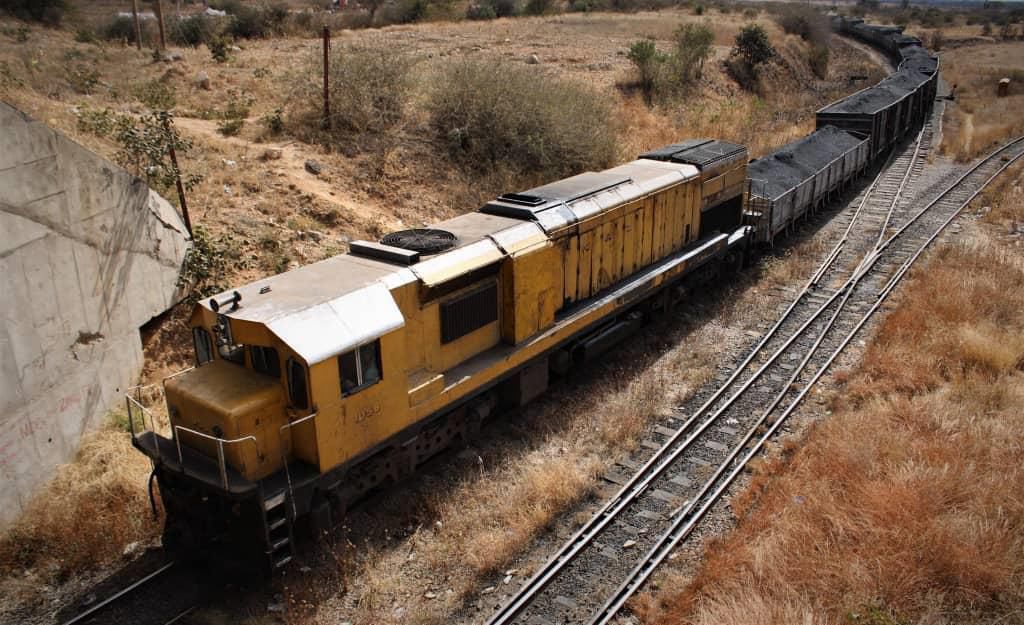
Despite an influx of foreign investment and partnerships, Zimbabwe’s railway system remains underdeveloped and in urgent need of modernization. The demand for efficient, expanded, and upgraded rail networks has never been greater, especially with mega projects now coming online.
A critical step forward involves the revitalization of the National Railways of Zimbabwe (NRZ). Government intervention is necessary to protect and revive this key institution. There is a strong case for policies that mandate the transportation of heavy bulk loads such as minerals and steel by rail. This would not only support NRZ’s revival but also significantly reduce wear and tear on the country’s road infrastructure, which is rapidly deteriorating under the strain of heavy freight.
With the recent completion of a US$1.5 billion iron and steel plant in Manhizhe, funded by Chinese investors, the stakes have never been higher. Touted as one of the largest steel production hubs in Africa, this plant will dramatically increase the need for modern transport logistics and efficient rail links to seaports and trade corridors.
Currently, a rail line connects Masvingo to Gweru via Mvuma. A 60 km rail extension from Manhizhe to Mvuma would create a seamless link to this existing network unlocking immense economic potential through the streamlined movement of goods. This presents a golden opportunity for private sector investors looking for high impact infrastructure projects.
Key Opportunities in Zimbabwe’s Railway Sector
Zimbabwe’s railway sector holds untapped potential across multiple fronts, including rehabilitation, modernization, and greenfield development. Notable opportunities include:
1. Harare to Chitungwiza Line
A high demand passenger route with strong potential for private investment and commuter service.
2. Ponta Techobanine Railway Project
A 1,700 km rail corridor linking Zimbabwe, Mozambique, and Botswana a vital infrastructure for regional trade.
3. Mkwasine to Mutare Railway Line
A direct route to facilitate the movement of agricultural goods and steel to ports and processing zones.
4. Airport Tram Line to Mount Hampden
A forward looking urban transit system connecting Harare’s airport with the new capital ideal for tourism, business, and diplomatic travel.
5. Manhizhe to Mvuma Rail Link
A 60 km strategic connection integrating the Manhizhe steel plant with Zimbabwe’s national rail grid a low barrier, high return project perfect for private and public partnerships.
In Conclusion
Zimbabwe’s growth trajectory is undeniable, and its railway infrastructure stands as a cornerstone for sustained economic expansion towards Vision2030 , With transformational projects like the Manhizhe Steel Plant set to drive national and regional demand, now is the time to invest in Zimbabwe’s railway sector , one of the country’s most critical, yet untapped, investment opportunities.
