Tendai Muererwa
Mutare-Indigenous foods, cultural heritage and youth-led innovation came into sharp focus during the Green Plate Cultural event held at Mwaka Hub in Chikanga last Saturday.
The Green Plate Cultural event together with Government, development partners and community stakeholders called for renewed efforts to restore traditional diets and build sustainable food systems.
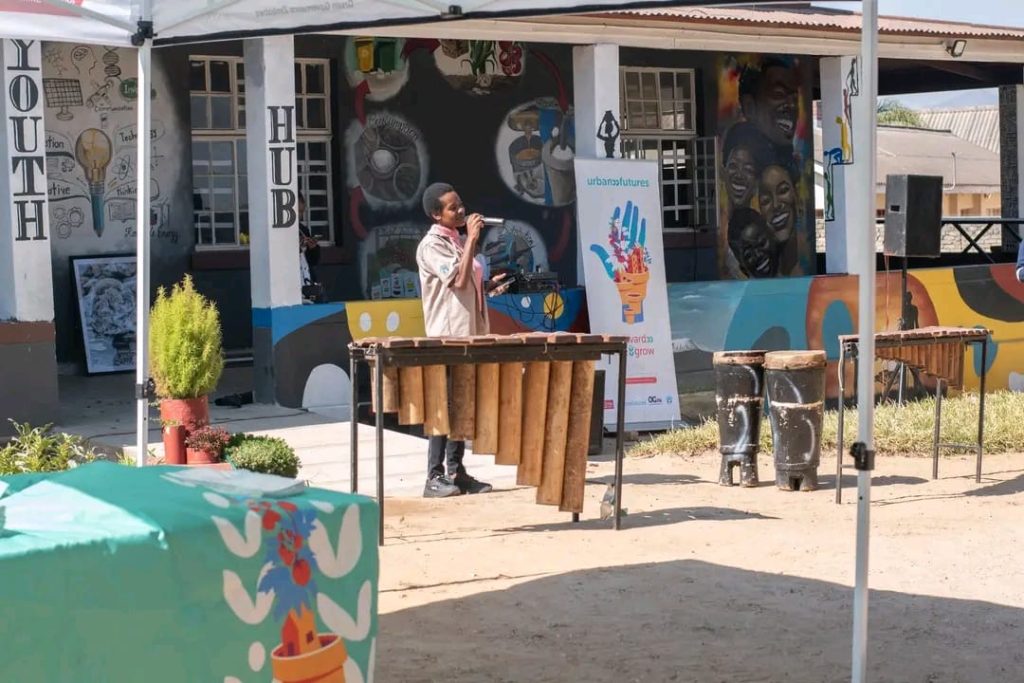
The event, organised by the Manica Youth Assembly (MAYA), with support from Green Governance Zimbabwe and funding from Hivos under the Urban Futures Programme, brought together Government departments, youth organisations, traditional food producers, local restaurants, health organisations, entrepreneurs and community members for a day of learning, cultural celebration and dialogue.
Held under the theme of celebrating culture, promoting health and building sustainable food systems, the event sought to demonstrate that food is more than a source of nourishment—it reflects Zimbabwe’s identity, culture and heritage while playing a critical role in improving nutrition, protecting the environment and creating livelihoods.
The programme featured exhibitions of traditional and nutritious foods, healthy cooking demonstrations, recipe exchange sessions, a Conversation Corner where participants discussed sustainable food systems, cultural performances, networking sessions and exhibitions showcasing climate-smart food practices.
Organisers said the event was designed to reconnect communities with indigenous diets, encourage support for local food innovators and strengthen partnerships that promote resilient and sustainable food systems.
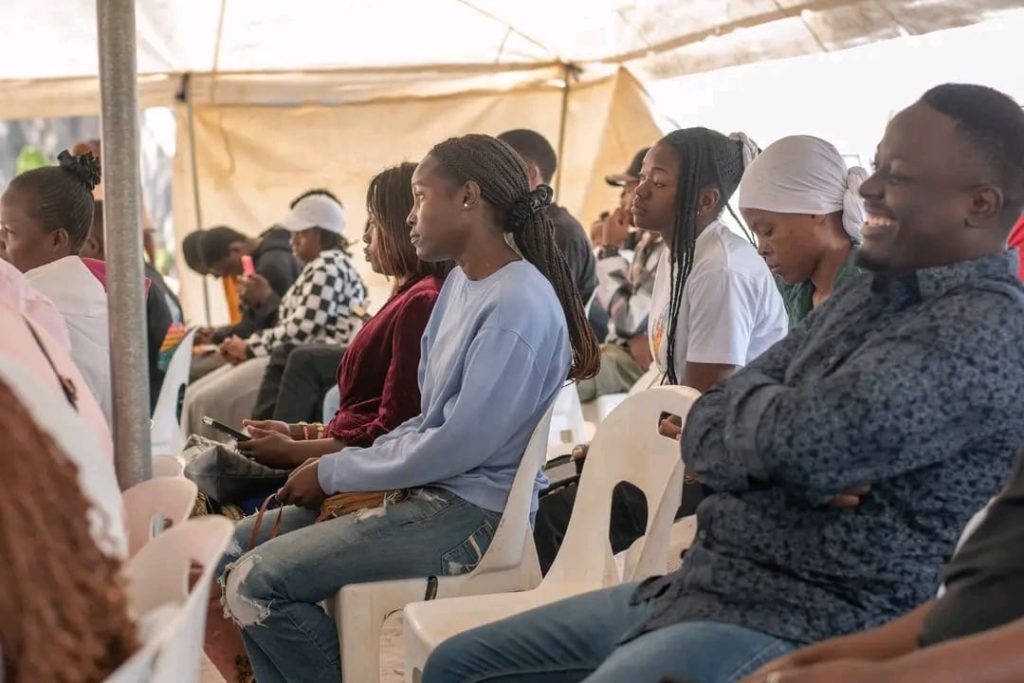
Speaking on behalf of Mutare District Development Coordinator Tendai Kapenzi, Ephraim Chako said preserving Zimbabwe’s traditional food systems is critical in improving nutrition and achieving food security.
“Our traditional, highly nutritious food systems are increasingly being replaced by highly processed, less diverse choices. This shift directly threatens our local indigenous knowledge and compromises the dietary health of our young population,” he said. Chako said the Green Plate Cultural Event complements Government’s National Development Strategy 2 (NDS2), which prioritises food security, nutrition and sustainable development.
He added that the initiative also supports First Lady Dr Auxillia Mnangagwa’s Traditional Cook-Out Competitions, which have encouraged communities across the country to preserve indigenous foods, recipes and culinary traditions while promoting healthy eating.
The Ministry of Youth Empowerment, Development and Vocational Training said young people, who constitute more than 70 percent of Zimbabwe’s population, have an important role to play in transforming the country’s food systems.
The ministry encouraged youths to actively participate throughout the food value chain, from production and processing to value addition, marketing and consumption, while embracing innovation and technology to create employment opportunities, improve nutrition and strengthen climate resilience. Young people were also urged to adopt healthy diets centred on indigenous foods, practise climate-smart agriculture and protect natural resources by avoiding unnecessary tree cutting and environmental degradation.
While acknowledging that limited access to land, inadequate capital and skills shortages continue to hinder meaningful youth participation in agriculture, the ministry encouraged young people to engage local authorities for land allocation, access financing through Empower Bank and enrol at vocational training centres to acquire practical agricultural and business skills. Award-winning Dapuraunanzva Arts Ensemble brought the event to life through energetic music, dance and drama performances celebrating Zimbabwe’s rich cultural heritage while delivering messages on healthy eating, environmental conservation and sustainable living.
Speaking during the event, Dapuraunanzva Arts Ensemble director Keaven Simomondo said the organisation has evolved beyond being an entertainment group and is now using performing arts as a tool for community development, environmental awareness and nutrition education.
Founded in 1996, the ensemble has grown into one of Zimbabwe’s leading cultural groups. It won the Chibuku Neshamwari National Championship in 2022 and finished second runner-up in 2024. The group has also represented Zimbabwe at international festivals in Tanzania and India and is expected to perform in Tanzania again later this year.
Simomondo said the organisation works extensively with young people through school arts programmes, arts festivals, rehabilitation initiatives and poverty alleviation projects.
“We work with different youths, including those undergoing rehabilitation. Through our school programmes and community outreach initiatives, we use arts to educate and empower young people,” he said.
He said the ensemble’s partnership with the Manica Youth Assembly under the Green Plate initiative is helping communities appreciate the importance of nutritious indigenous foods while preserving Zimbabwe’s cultural identity. “We are also involved in environmental conservation through river clean-up campaigns and work with Global View on drug and substance abuse awareness programmes. Through the Green Plate programme, we are promoting a culture of healthy eating by encouraging the consumption of indigenous foods,” Simomondo said.
The Green Plate Cultural Event also provided local food enterprises, traditional food producers and organizations working in nutrition, livelihoods and sustainable development with an opportunity to showcase their products and services while networking with potential partners and customers.
Participants exchanged traditional recipes, sampled indigenous dishes and explored practical ways of incorporating locally available foods into everyday diets. Climate-smart agricultural innovations and sustainable household food practices were also exhibited as communities shared ideas on adapting to climate change while improving food production.
Organisers said the Green Plate initiative aims to raise awareness of the value of indigenous foods, strengthen local food enterprises and encourage communities to embrace healthier eating habits rooted in Zimbabwe’s cultural heritage.
They said the event demonstrated that food tells Zimbabwe’s story, culture shapes the nation’s identity and sustainability secures its future, with youth leadership remaining central to building resilient food systems capable of addressing nutrition, climate and economic challenges.