FAITH NDOU
ZAKA-Despite a reduction in donor funding for HIV and AIDS programmes in Zimbabwe, the National AIDS Council (NAC) says the country’s National AIDS Trust Fund/AIDS Levy is sustaining critical HIV interventions through its social contracting model, ensuring vulnerable communities continue to access life-saving services.
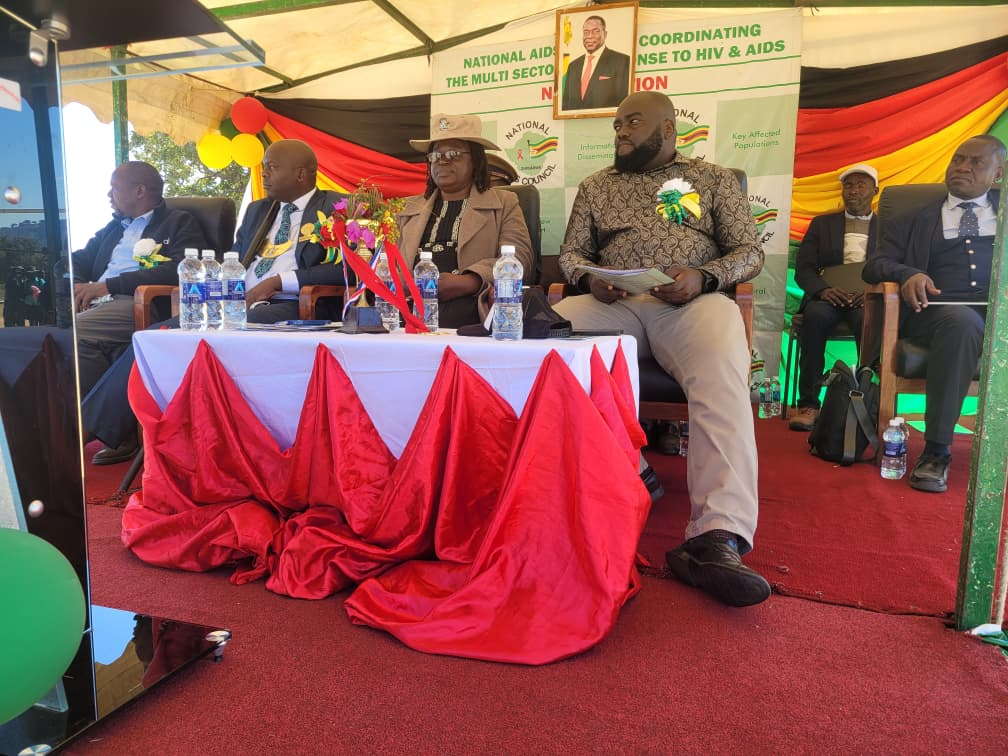
Speaking during the Provincial World AIDS Day commemorations held at Mutonhori High School in Zaka District under Chief Nyakunhuwa, NAC Masvingo Provincial Manager Takudzwa Kombora said although international donors have reduced funding, government remains committed to strengthening the country’s HIV response.
The commemorations were held under the theme, “Overcoming Disruption, Transforming the AIDS Response.”
“Although some donors have pulled out, government has pledged to strengthen health infrastructure, capacitate health workers and expand innovative domestic financing mechanisms to complement the National AIDS Trust Fund,” said Kombora.
He said the AIDS Levy continues to finance key HIV prevention and treatment programmes through NAC’s social contracting model under which community based organisations receive direct funding to implement interventions that respond to local needs.
Kombora said one such initiative is the Brother2Brother (B2B) programme which is being implemented in Zaka by the Tariro Youth Development Foundation.
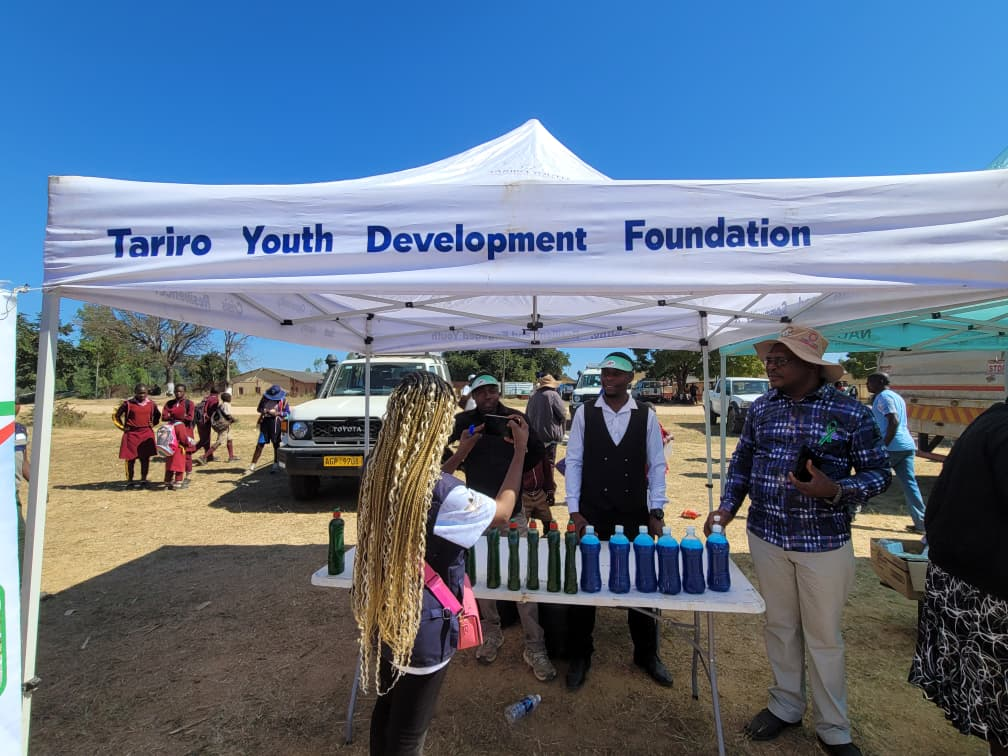
According to Kombora, NAC introduced the programme after identifying a significant gap in HIV information and knowledge among adolescent boys and young men compared to their female counterparts who had benefited from more targeted HIV interventions over the years.
“We realised there was a gap in terms of information and knowledge among boys compared to girls. Through social contracting, we are directly supporting organisations such as Tariro Youth Development Foundation to bridge that gap and ensure adolescent boys and young men are not left behind in the HIV response,” he said.
Kombora said the Brother2Brother programme targets adolescent boys and young men aged 10 to 24 years, an underserved but high-risk group in the national HIV response.
“The Brother2Brother programme focuses on empowering adolescent boys and young men with comprehensive HIV information, life skills, sexual and reproductive health education and economic empowerment opportunities. By combining peer mentorship, sports and entrepreneurship, we are addressing the root causes that increase vulnerability to HIV while creating positive role models within communities,” he said.
He added that the programme uses trained male mentors, club-based structures and sports activities to create safe spaces where boys and young men can access HIV prevention services, gender-based violence awareness, drug and substance abuse prevention, HIV testing, linkage to care and treatment support.
Tariro Youth Development Foundation Programmes Manager, Emerold Chibhamu said the programme also integrates livelihood interventions to improve young people’s socio-economic status through vocational training, entrepreneurship, digital literacy and Internal Savings and Lending Schemes (ISALS).
“Empowering young men economically reduces risky behaviours associated with HIV transmission while giving them opportunities to build sustainable livelihoods. We have seen young people establishing enterprises in poultry production, baking, horticulture and retail, improving both their incomes and their future prospects,” said Chibhamu.
Through NAC-supported social contracting, 50 youths have also enrolled in vocational training across various trades while entrepreneurship initiatives have resulted in youth-led businesses in poultry production, retail, baking and horticulture.
As Zimbabwe continues to navigate declining donor support, the AIDS Levy remains a critical pillar in financing community-driven HIV interventions and ensuring that no vulnerable population is left behind in the country’s fight against HIV and AIDS.



