VIEWS FROM THE TERRACES
WITH
Martin Muleya
The tragic road traffic accident of July 23, 2026, which claimed the lives of four members of Highlanders Football Club, united the Zimbabwean football fraternity in grief.
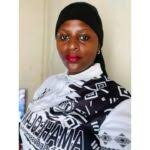
Supporters, rival clubs, football administrators, government officials and ordinary citizens expressed shock and sorrow over the devastating loss.
However, amid the outpouring of condolences, one issue sparked debate and left many asking difficult questions; Why did it appear that Mbalinehle ‘Mbali’ Sibanda’s family received far less public recognition than the families of the other victims?
As condolences poured in from various quarters, including government officials and football stakeholders, much of the attention understandably focused on the club executives who died in the crash. Yet many observers felt that Mbali, who also lost her life in the same tragedy, appeared to be an afterthought in several public statements.
This raised uncomfortable questions: Was her contribution considered less important? Did her position within the travelling party somehow diminish the value of her life? Or was it simply an oversight in the rush to respond to a national tragedy?
The debate was further fuelled by questions circulating on social media about who Mbali was and why was she travelling in the vehicle. While curiosity is natural in the aftermath of such incidents, these questions should never overshadow the basic principle that every victim deserves equal dignity and compassion, regardless of their title or public profile.
A bereavement message is not merely a formal statement. It is an acknowledgement of a life lost and a source of comfort to grieving families. When one victim appears to receive less recognition than others, it can unintentionally deepen the pain experienced by loved ones who are already dealing with unimaginable loss.
Although state assistance and public recognition reportedly extended to Mbali’s family later many felt this came only after concerns had already been raised. In tragedies of this nature recognition should never appear selective or delayed.
Those who knew Mbali personally have shared their own tributes and condolences, remembering her for the person she was rather than the circumstances surrounding her death. Their messages serve as a reminder that behind every headline is a family, friends and a community mourning someone they loved.
As Zimbabwe continues to mourn the victims of this heartbreaking accident, perhaps the most important lesson is that compassion should be applied equally. Titles, positions and public prominence should not determine whose loss is acknowledged more loudly.
The Highlanders family lost four members on that tragic day. Each life mattered. Each family deserved the nation’s sympathy. And each victim, including Mbalinehle Sibanda, deserved to be remembered with the same respect, dignity and compassion.


