MARTIN MAWAYA
HARARE – Zimbabwe’s tobacco industry, long the backbone of the country’s agricultural exports, is poised for a major shift following high-level talks between Government and Chinese investors.

The move, which could lead to the establishment of a cigarette manufacturing plant by the China Tobacco Company, are being hailed as a potential game-changer, not only for the local economy but also for Africa’s trade landscape under the African Continental Free Trade Area (AfCFTA).
Recently, Lands and Agriculture Minister Dr. Anxious Jongwe Masuka hosted senior officials from China Tobacco, outlining Zimbabwe’s ambitions to transform its sector from a raw-leaf exporter into a globally competitive value-added hub.
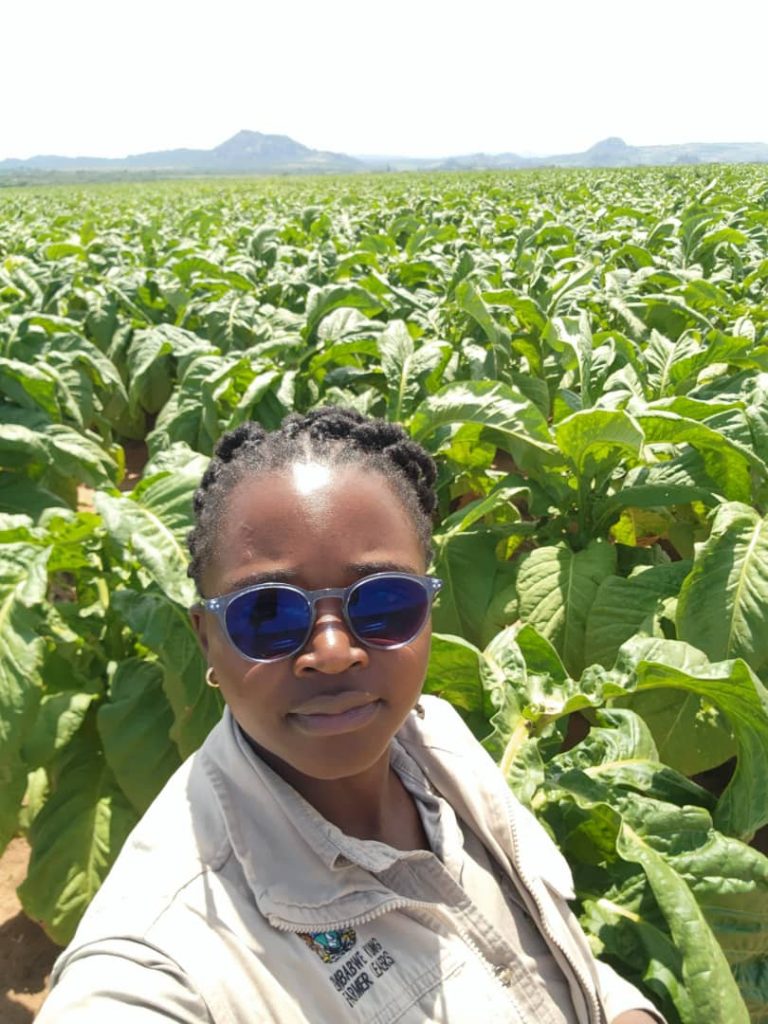
Tobacco has been Zimbabwe’s “golden leaf” since the colonial era, accounting for nearly 10 percent of GDP and sustaining more than 135,000 farmers, most of them smallholders.
In 2024, the country produced over 230 million kilograms, cementing its position as Africa’s top producer and the world’s sixth-largest exporter.
Yet most of the crop is shipped semi-processed, with limited beneficiation, a missed opportunity for jobs and earnings.
China, the world’s largest tobacco consumer, buys nearly half of Zimbabwe’s crop, but almost all of it is exported in its raw form.
Dr. Masuka said the government was determined to reverse this trend.
“Our ambition is to increase domestic value addition to 30 percent by 2030. This is central to our agricultural transformation agenda and economic modernization strategy. With China’s expertise and investment, Zimbabwe can achieve this milestone and expand its footprint across the continent,” he said.
The AfCFTA Opportunity
At the heart of Zimbabwe’s pitch is the AfCFTA, launched in 2021 to create the world’s largest single market by population.
With tariff reductions and harmonized rules, AfCFTA is unlocking new opportunities for manufactured goods, and Zimbabwe wants to anchor tobacco processing at the center of that trade.
A Zimbabwe-based cigarette plant could serve regional markets such as South Africa, Angola, Kenya, and Nigeria, where demand remains high despite global anti-smoking campaigns.
“Zimbabwe is positioning itself as a hub not just for raw leaf, but for finished tobacco products within the AfCFTA framework,” said local economist Trust Chikohora. “This is significant because it shifts the country’s role from being a supplier to China alone, to becoming a continental player with leverage over markets and boost foreign currency reserves”.
Tackling Illicit Trade
Another pillar of the deal is curbing illicit tobacco trade, which costs African governments more than US$1 billion annually in lost taxes.
Dr. Masuka said local processing, combined with stricter supply-chain controls supported by Chinese technology, would help plug leakages and boost revenues.
“Curbing illicit trade is central to safeguarding farmers’ livelihoods and national revenue. A value-added industry anchored in Zimbabwe ensures more transparency and accountability across the supply chain,” he said.
For smallholder farmers who produce nearly 70 percent of the national crop, value addition offers both opportunities and challenges.
Higher demand for quality leaf could improve incomes, but farmers remain vulnerable to input costs, climate shocks, and contract farming debts.
“Value addition should translate into better prices for growers, not just higher margins for manufacturers,” said Mashonaland East farmer and ZFU member Margret Paida Moyo. “The success of this partnership must be measured by its impact on the livelihoods of the 135,000 families who depend on tobacco”.
China’s Pivotal Role
Analysts say China’s involvement goes beyond being Zimbabwe’s biggest buyer.
The proposed plant aligns with Beijing’s strategy of co-locating production within partner states to cut costs, secure supply, and expand market reach.
They note that China increasingly views Africa not just as a source of raw materials, but also as a production base for consumer goods, emphasizing that Zimbabwe’s long tobacco tradition makes it an ideal entry point.
The initiative also fits into Zimbabwe’s wider cooperation with China under the Belt and Road Initiative, which has already delivered investments in energy, mining, and infrastructure.
Global Headwinds
The talks come as tobacco faces mounting global scrutiny.
The World Health Organization (WHO) continues to push for reduced production and consumption, citing health and environmental concerns.
While donors urge African nations to diversify away from the crop.
Dr. Masuka acknowledged these pressures but stressed that tobacco will remain vital to Zimbabwe’s economy in the medium term.
“While we recognize global health concerns, tobacco sustains hundreds of thousands of livelihoods in Zimbabwe. Our responsibility is to ensure the sector is modern, sustainable, and contributes to national development,” he said.
Economic Ripple Effects
If implemented, the cigarette plant could spark growth beyond tobacco.
Manufacturing would boost demand for packaging, logistics, and distribution services, while also fostering skills transfer in agro-processing and industrial technology.
“Zimbabwe has for too long exported jobs by shipping raw leaf abroad,” said Midlands Consumer Council Protection Officer Chiedza Harunashe. “Bringing manufacturing home is a chance to reclaim that value and set a precedent for other commodities, from cotton to horticulture.”
The Road Ahead
For now, the talks remain at a preliminary stage, with feasibility studies expected in the coming months.
But Government officials are optimistic, pointing to President Mnangagwa’s policy thrust of “production, productivity, and value addition” as the guiding principle.
As negotiations progress, the challenge will be balancing investment opportunities with farmer welfare, regional competition, and global anti-tobacco sentiment.
Still, in a country seeking to rebuild after years of economic turbulence, the symbolism of China’s potential investment is unmistakable, a sign that Zimbabwe’s golden leaf may yet hold new promise, not only in Beijing but across the continent.
