SYDNEY MUBAIWA
MASVINGO- The Zimbabwe Catholic Bishops’ Conference (ZCBC) led by its president Bishop Paul Horan O. Carm of Mutare Diocese has condemned the proposed amendments to the Medical Services Bill that would liberalize the country’s abortion laws warning that the proposed changes pose a constitutional and moral crisis.
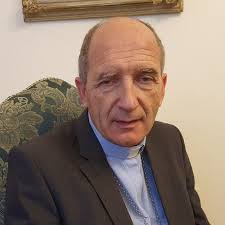
In a statement, ZCBC encouraged parliamentarians and citizens to condemn the proposed bill.
“Dear brothers and sisters, we write to you at this critical moment in the history of our country. In the coming week, Senators will vote for or against the Medical Services Bill which proposes changes to the Termination of Pregnancy Act. Though not spelt out, the bill seeks to legalise abortion in Zimbabwe.
“As the church, we are totally against abortion and we would like to appeal to all people of faith and all those who value life to pray and speak against this evil.
“We call on all Catholics, men and women of faith and citizens of this country to pray and to get in touch with their senators and urge them not to vote for it.
“As the church, we uphold the sanctity of life from conception to death. A value that is also mirrored in our Zimbabwean cultures that nurture life…,” reads part of the statement.
ZCBC’s call follows the same condemnation by traditional leaders and other Christian leaders who have voiced strong opposition to the legalisation of abortion, citing cultural norms, religious beliefs and the sanctity of life.
Zimbabwe currently allows abortion under limited circumstances outlined in the Termination of Pregnancy Act. These include situations where the mother’s life or health is at risk, the foetus has severe physical or mental defects or the pregnancy results from rape, incest, or intercourse with a mentally disabled woman.
During a recent discussion on the issue, Chief Sabuwe of Binga emphasised the importance of life according to his faith.
“A child is a blessing from God,” he said. “Terminating a pregnancy is going against the creator himself. Why deny them the right to live?”
Similarly, Chief Murugwane of Mberengwa argued that abortion goes against cultural norms and values.
“The call for legalized abortion rejects the cultural norms and values Zimbabweans embraced during the 2013 constitutional review exercise,” he said.
Chief Mtshane Khumalo, President of the Zimbabwe Council of Chiefs, expressed doubt that legalising abortion would gain traction in Parliament due to traditional beliefs.
“There is no way we can support abortion. It’s foreign to our values, and knowing the present Parliament, I don’t see that motion getting any support,” he said.
Archbishop Alex Thomas of the Roman Catholic Church echoed these sentiments, citing biblical teachings against killing.
“The Bible says ‘thou shalt not kill,’” he said. “Abortion should only be allowed in exceptional cases as enshrined in the law. Otherwise, making it open will worsen things for our society.”
Despite existing legislation, illegal abortions remain a concern. Government data estimates over 80,000 illegal abortions occur annually in Zimbabwe, posing health risks and legal consequences.
While traditional leaders and the Church oppose broader legalisation, some residents argue for it with safeguards.
