MARTIN MAWAYA
Gweru-based journalist and women’s rights activist Locadia Mavhudzi emphasized that understanding the implications of climate change is not just an environmental necessity, but a matter of social equity.
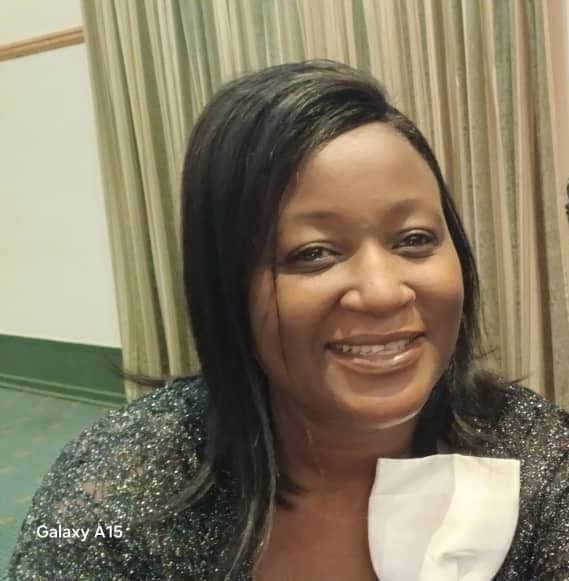
She highlighted that women play a vital role in developing and implementing effective solutions.
Speaking at a Compassionate Zimbabwe online conference series dubbed “Women and Climate Change,” Mavhudzi stated that women’s involvement in climate action is essential, as their unique perspectives are crucial for developing effective strategies.
The rights defender noted that empowering women leads to more sustainable solutions, promotes gender equality, and strengthens community resilience.
In Zimbabwe, women are leading climate resilience initiatives, such as climate-smart agriculture and agroecology, which are gaining traction.
They are adopting drought-resistant crops and sustainable farming practices.
These efforts not only enhance biodiversity but also empower women economically, allowing them to balance traditional roles while driving sustainable agriculture.
In that regard, Mavhudzi highlighted several women-led initiatives making significant strides in response to climate change.
These include “the Shurugwi Organic Women Savings and Credit Cooperative (SACCO), which united over 100 women in poultry production, generating income and improving livelihoods”.
“The UNDP’s Climate Resilient Livelihoods Project focuses on strengthening the resilience of vulnerable agricultural livelihoods, particularly for women, by providing access to water and climate-resilient practices,” said Mavhudzi.
However, she noted that women, especially in marginalized communities, face heightened vulnerability to climate-related challenges such as droughts, floods, and extreme heat.
These conditions “disrupt livelihoods and limit access to crucial resources,” Mavhudzi added.
She pointed out that climate change acts as a catalyst for gender-based violence (GBV), exacerbating the risk of violence against women and girls during disasters and displacement.
The human rights defender emphasized that education, awareness, and capacity building are essential for empowering women to participate actively in climate action.
“This involvement not only helps them understand the issue but also enables them to develop skills that foster community resilience,” she stated.
Mavhudzi also underscored the importance of communication in climate action and effective messaging.
By bridging the gap between scientific understanding and public perception, women can inspire change and motivate communities to implement solutions.
“Communicating the urgency of climate action can lead to significant behavioral changes,” she explained.
