…7 hours required to fill reservoirs
EDWIN MOYO
Gweru-Water woes continue to haunt the City of Progress as residents have gone for close to a month without the precious liquid coming out of their taps in most areas due to load shedding.
The lack of water for the residents has been largely attributed to the continued load shedding being experienced throughout the country which has crippled industry and there are serious fears of disease outbreaks especially cholera which has killed five people in the country.
In a bid to ease the crisis, residents have resorted to other unsafe water sources such as wells, open water pits and drains which pose a health risk to residents.
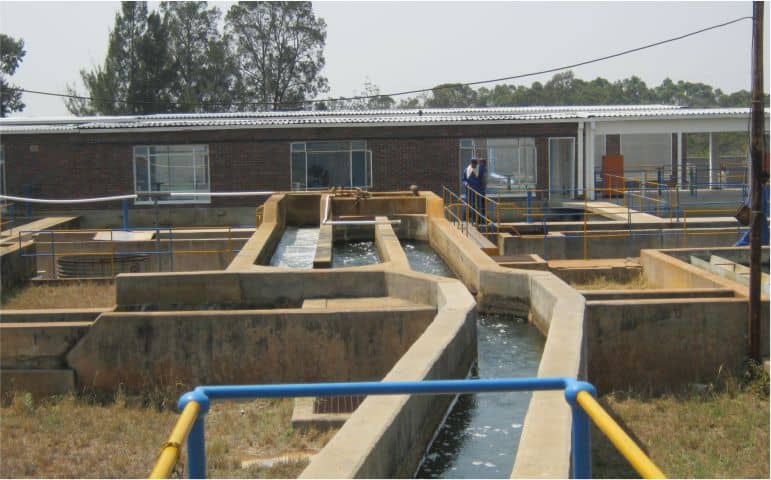
Speaking to The Midweek Watch during a telephone interview today in the morning, Gweru City Council public relations officer, Vimbai Chingwaramusee said council was facing serious power cuts at Gwenhoro water treatment plant and Range booster.
“We are currently experiencing prolonged power cuts at Gwenhoro and Range booster and this is affecting our pumping capacity.
“Normally we require about 6-7 hours for us to pump enough water to high areas. As of now low areas are the ones getting water because of the shortened time we are receiving electricity. Efforts are being made to get round the problem as we have engaged the power utility and we hope things will improve,” said Chigwaramusee.
Gweru Residents and Ratepayers Association ( GRRA) director, Conilia Selipiwe said the city was seating on a health time bomb.
“The on going water crisis has left the residents stranded and having no other means of getting safe drinking water. This has resulted in most people going for unsafe water sources
“Fears of contracting water borne diseases are on the rise as you can see that in Gweru we once recorded cholera outbreak in the past years There is need for Council and Zimbabwe Electricity Supply Authority to find common ground for the benefit and safety of communities,” he said.
Meanwhile, Gweru Mayor, Hamutendi Kombayi said there was need for coordination between ZESA and Council to enable uninterrupted power supply to the water treatment stations.
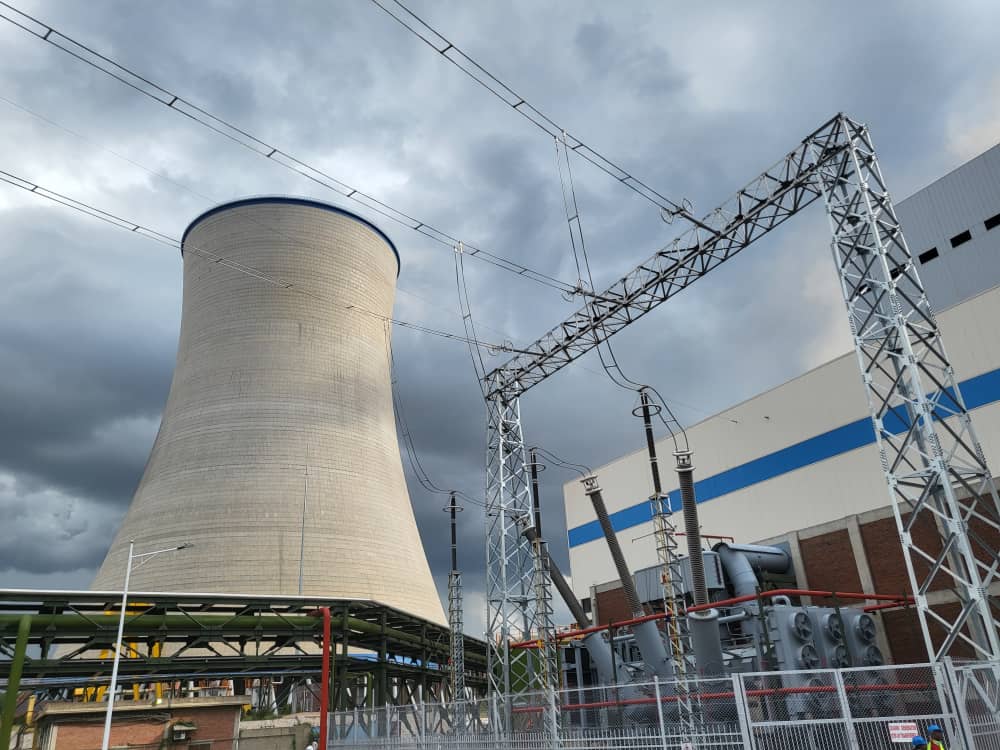
Last ZESA started synchronizing into the national grid Chinese built 300MW Hwange Unit 7 which is set to ease load shedding which is lasting for over 18 hours per day.

