Trapping of animals is a method of capturing animals, especially wildlife by humans using devices that are designed to restrain an animal in place without the need for continual human presence.
The use of wire snares is one of the current existing snaring crises across the globe, which is a threat to wildlife existence, ecosystem services as well as human health.
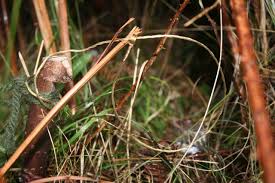
A wire snare is a piece of wire with a loop at the end and is attached to a stationery object such a large tree or log.
This wire loop is suspended from a branch or small tree or ground lying branches and the snare catches the animal as it is walking along the trail.
It is when the animal continues movement where the snare pulls tight, hence trapping the animal. Wire snares are indiscriminate and can kill many non-target (including endangered) species and deplete wildlife populations.
Snares are difficult to detect. Snares are not easy to find – they are small, concealed and spread across vast, remote areas. Snares are one of the cruelest means of hunting considering animals can sometimes languish for days or weeks before dying from their injuries, dehydration or from starvation.
In some cases, snares are never checked ensuring that any animals caught can suffer immensely and then are left to rot. When an animal escapes a snare / trap, or when tears a snare out of its anchor but the snare remains cinched around the animal’s foot, neck, or other body part, sometimes it will perish from infection caused by the injury or starve because the injury has limited its ability to walk, forage, or hunt.
In Zimbabwe, Section 3 of the Trapping of Animals (Control) Act (TACA) classifies traps into 3 categories namely class I, class II, and class III traps. The TACA prohibits the making, possession, and use of wire traps.
Section 5 of the TACA makes it an offence to make, possess, and use Class one traps. A person found guilty of such can be liable to a level eight fine (USD $500.00) or imprisonment not exceeding 3 years. Furthermore, Section 6 of the TACA requires a permit to make, possess, or use class II traps.
A person who fails to comply with any condition of a permit can be liable to a level seven fine (USD $400.00) or imprisonment not exceeding 2 years.
Moreover, Section 10 of the TACA also requires a permit to make, possess, or use class III traps. Also, any person found guilty of failing to comply with the terms of the permit can be liable to a level six fine (USD $300.00) or imprisonment not exceeding 1 year.
To learn more about animals and the law, follow Advocate Yvonne Gurira & Animal Advocates International on Facebook, Instagram, & Twitter. Visit www.animaladvocatesinternational.org

