MARTIN MAWAYA
The Shurugwi based Tebekwe mine has been a game changer for hundreds of locals involved in extraction of gold in the mineral rich town.
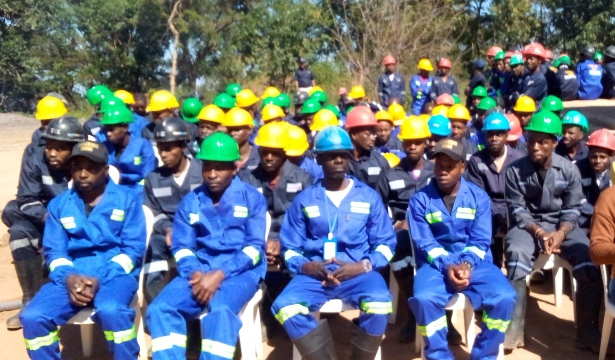
According to Ambassador Smelly Dube of Tebekwe mine, the company empowered over 300 local residents to establish mining syndicates and extract gold within the mine.
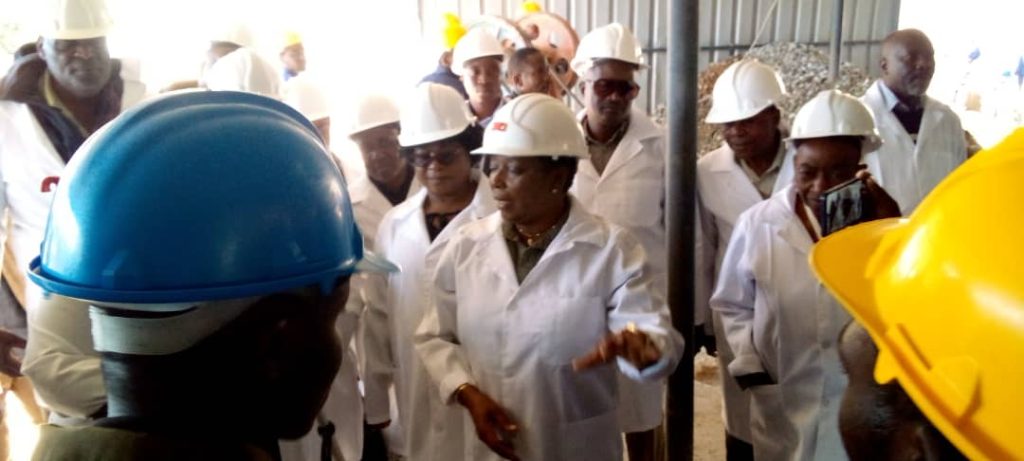
Dube said this during a joint fact-finding visit by the Portfolio Committee on Mines and Mining Development and the Thematic Committee on Gender and Development on Thursday.
“We have been working and supporting the local community by giving them areas to mine at Tebekwe mine. Most of these people are youth and women, and we don’t charge them anything, but we encourage them to work for their livelihoods. Most of the time, we support them with mining equipment,” Dube said.
The mine is currently undergoing a major facelift, with plans to invest in modern infrastructure, including a new processing plant with innovative equipment to boost production.
Dube commended the government for providing an environment that promotes ease of doing business, but added that the company is struggling with persistent load shedding and high electricity tariffs.
“We have a challenge of high electricity costs and power cuts. Sometimes we go for a week without power or we get it for 3 hours per day, but the bills remain high at up to $35 000 per month,” said Dube.
The unplanned power cuts have become a safety concern for the company’s workers who use electrified machines to go underground.
The joint portfolio committee chairperson, Senator Anna Shiri hailed the mining company for its wholesome empowerment programmes to the local community.
She lauded the company for providing “the leeway to the communities to boost their incomes and transform their livelihoods”.
Midlands Province Mining Director, Khumbulani Mlangeni, also informed the parliamentary committee that the province has 9 900 mining claims, with 1 700 pegged for women and 200 hectares reserved for youth in each district to venture into mining.
He added that, of the 298 ZIMASCO claims ceded to the government in the Midlands province, 31 were allocated to women, while 4 were given to disabled people.
