-as milling delays suffocate industry
IVAYINERUDO MAGARAZANO
CHIREDZI- Zimbabwe’s sugarcane outgrowers are calling for the establishment of a new mill, as Triangle and Hippo Valley mills are struggling to process their sugarcane timely, resulting in substantial losses to the farmers.
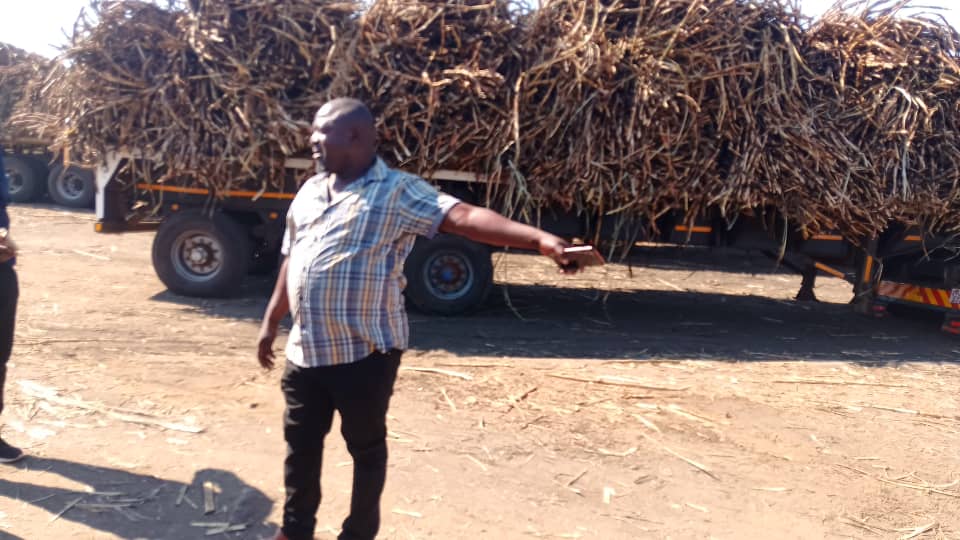
The farmers said they are facing significant losses due to the delays in processing of their cane which fetches more when it still has more juice and weighs more.
Mkwasine Management Committee chairperson, Abinel Mtembwa said the situation is further exacerbated by the distance between the farms and the mills.
Mkwasine farmers are 75 km away from Hippo Valley mill and 90 km from Triangle mill, incurring additional transportation costs.
“Mkwasine farmers transport their sugarcane by rail, and the NRZ wagons stay for more than 2 days before being transported to the mills, where they will also wait for more than 4 days in the queue at the mills and this result in the cane fetching less,” said Mutembwa.
The long queues not only affect the farmers but also the truck drivers, who have to spend up to four days waiting in the queue without proper shelter and food, in the harsh low-temperature conditions.
The farmers are determined to find a solution, with 1,200 farmers willing to contribute towards the cost of a new mill.
They believe that a new mill will not only alleviate their plight but also break Tongaat’s monopoly, providing them with a choice of mills to deliver their cane.
Zimbabwe Sugar Development Association chairperson Elisha Tamirepi said the farmers are urging the government to allow potential investors to come in and invest in a farmer-owned sugarcane mill, which will upgrade services and provide competition in the industry.
“The government should trust us with a mill, and we want to contribute to purchasing the mill. This will also help in providing competition, which will result better services in the industry,” said Tamirepi.
He also highlighted the impact of the El Niño-induced drought on the farmers’ yield, as Manjirenji Dam water level is now less than 38%, resulting in some farmers not irrigating their crop adequately.
