MARTIN MAWAYA
CHINHOYI-A groundbreaking study on the use of Black Soldier Fly (BSF) as a sustainable alternative protein source for fish feed was presented at a dissemination seminar hosted by the Food and Agriculture Organization of the United Nations (FAO), the Government of Zimbabwe, and Chinhoyi University of Technology (CUT).
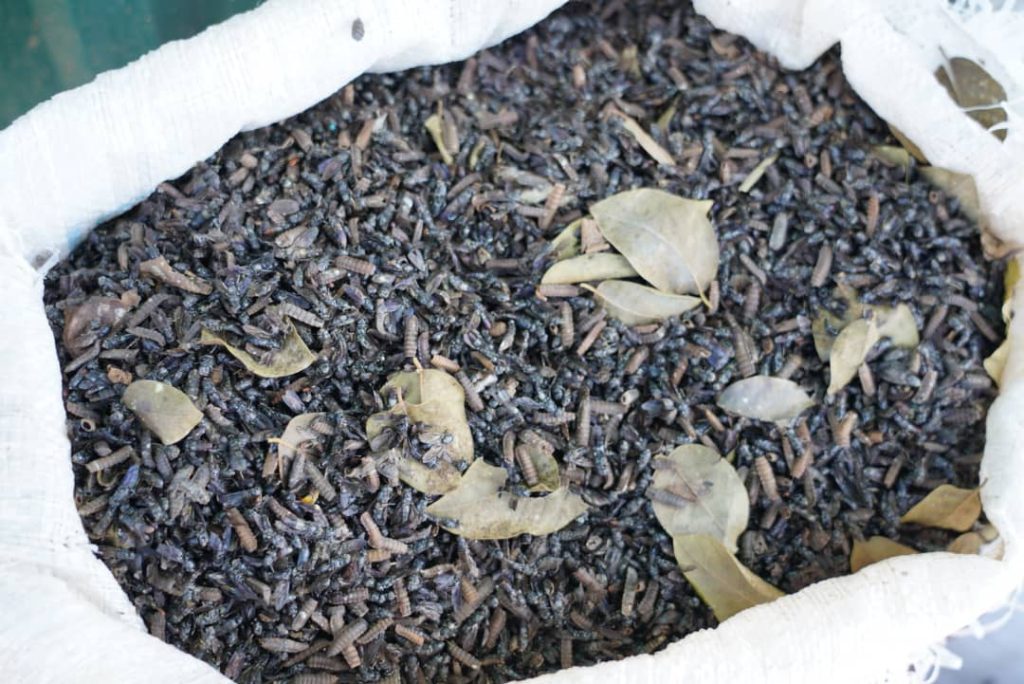
The seminar held at the CUT Campus last week, explored the potential of BSF as a game-changing solution in the aquaculture industry.
The black soldier fly is a common and widespread insect whose larvae are exceptionally rich in protein and fat, and are prevalent in warm, tropical parts of the world including Zimbabwe and other African nations.
They are not vectors for diseases and can be found in areas with food waste and other decomposing organic matter.
Funded by the FISH4ACP project, the study found that BSF can significantly reduce feed costs by up to 40%, while achieving comparable growth rates in tilapia aquaculture.
These findings could have far-reaching implications for the aquaculture sector, offering a viable path towards reducing reliance on expensive imported feed and empowering local farmers to thrive.
“This Black Soldier Fly trial demonstrates the power of research and innovation in unlocking sustainable solutions for aquaculture,” said Patrice Talla, FAO Sub-regional Coordinator in Southern Africa and FAO Representative in Zimbabwe.
The FISH4ACP project, implemented by FAO with funding from the European Union (EU) and the German Federal Ministry for Economic Cooperation and Development (BMZ), aims to enhance the productivity and competitiveness of fisheries and aquaculture value chains in Africa, the Caribbean, and the Pacific.
Key stakeholders, including the EU Delegation to Zimbabwe, the Ministry of Lands, Agriculture, Fisheries, Water and Rural Development, and CUT, have expressed their support for the initiative.
“The European Union is proud to support initiatives like FISH4ACP that promote sustainable economic growth and create opportunities for communities,” said Sara Piccoli, EU Delegation to Zimbabwe, Programme Manager Agriculture, Environment, Private Sector and Trade.
The Dean of the Faculty of Agriculture at CUT, Dr. Petros Muchapondwa, said the study’s findings have the potential to transform the aquaculture sector across Africa.
“By leveraging the power of BSF, we can create a more sustainable and self-sufficient aquaculture industry that benefits both farmers and the environment,” he added.
The seminar also offers a unique opportunity to learn about a potentially transformative innovation in the aquaculture sector and its impact on food security, economic development, and environmental sustainability.
According to a study published in the Journal of Cleaner Production, the use of BSF as a protein source in aquaculture feeds can reduce greenhouse gas emissions by up to 80% compared to conventional soy-based feeds.
Additionally, the nutrient-rich frass (BSF larvae excrement) can be used as an organic fertilizer, further enhancing the environmental benefits of this innovation.
