MILLICENT HUNGWE
BIKITA – In a groundbreaking initiative, Village Health Workers in Dewure 2, Bikita are pioneering a unique approach, supported by Amai Auxillia Mnangagwa, to promote child health and wellness through Gastronomy Tourism.
The initiative aims to address the effects of climate change on children.
It’s a collaboration between the Ministry of Health and Child Care, UNICEF, and funding partners from the Health Resilience initiative, which includes GAVI, the European Union, the Irish Government, and the UK Government.
According to the UNICEF’s Children’s Climate Risk Index (CCRI) in 2021, approximately 1 billion children live in high-risk countries.
Resultantly, UNICEF and the Ministry of Health are working to prevent and treat malnutrition, ensure continued learning for children, and create Child Care Workers who identify vulnerable children and provide appropriate services.
In addition, the Government of Zimbabwe, UNICEF, and partners are scaling up climate-resilient nutrition programmes by training caregivers to provide nutritious meals for children under five, screen for malnutrition, and support school feeding interventions.

Dr. Nicholas Alipui, UNICEF Representative in Zimbabwe said, “Decreased access to clean water and a poor diet heightens the risk of malnutrition and diarrheal diseases among children, impacting their rights to education and protection”.
“Hence the need for a front-facing preventive strategy to avert excess deaths in the months to come,” added Dr Alipui.
The implementing parties, including Health Nutrition Officers from World Vision, have created a Care Group Model to improve social and behavioral change through household-level communication, thereby decreasing malnutrition cases.
They are also leveraging the rich culinary heritage of the Dewure 2 community by promoting good hygiene skills and the use of local, nutrient-dense ingredients.
UNICEF’s Chief Communications officer, Yves Willemot, noted that the climate-resilient initiatives are anchored in empowering children as catalysts for change and environmental guardians, placing them at the forefront of crafting solutions.
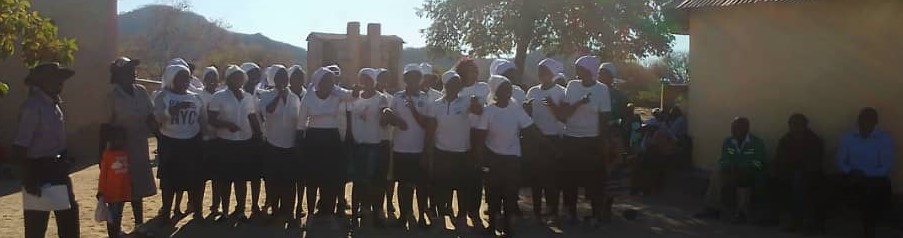
Speaking in an interview with The Midweek Watch, Village Health Worker Jenifer Munoda from Madzivire Centre ward 24 explained that the programs have helped families provide a balanced diet through the recipes developed in their Care Groups, focusing on nourishing and culturally significant foods.
“The Initiative not only promotes healthy eating habits but also fosters cultural exchange and the preservation of traditional cooking techniques for future generations,” added Munoda.

