ROSELINE MUTARE
MASVINGO CITY- The Vendors Initiative for Social and Economic Transformation (VISET) recently organized an Open Policy Dialogue on Informal Sector Taxation in Masvingo, bringing together stakeholders from the informal sector, government, and civil society.
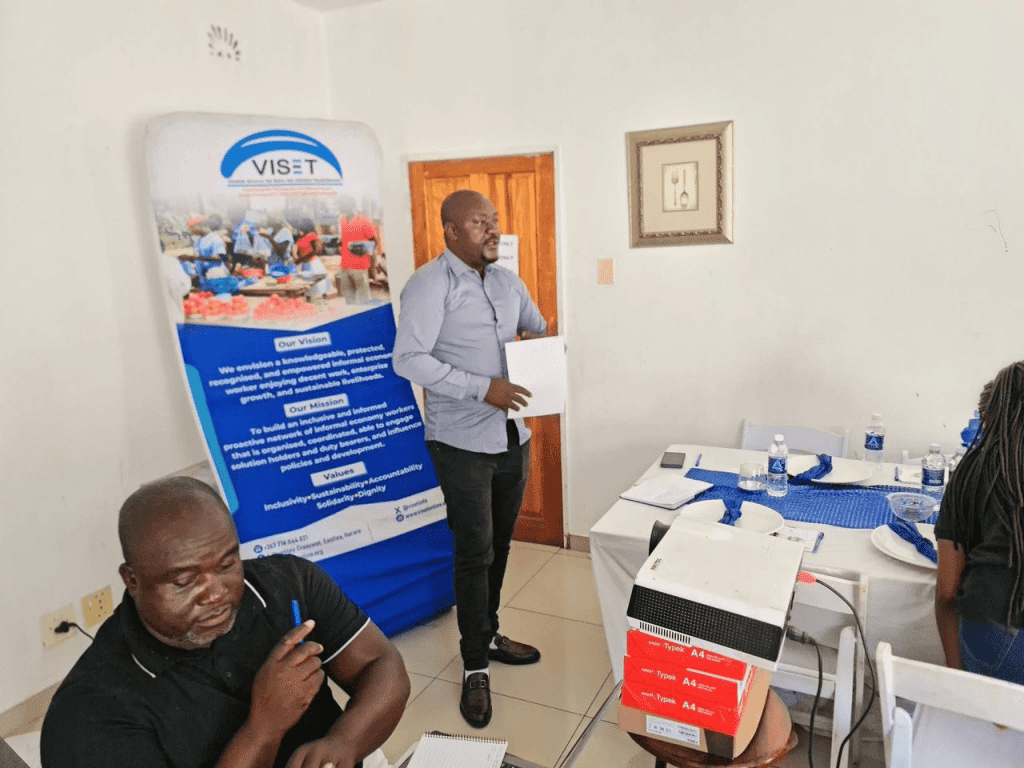
The dialogue shed light on the recently introduced tax measures under the Finance Act of 2026 and addressed concerns and operational matters affecting informal traders. Zimbabwe Revenue Authority (ZIMRA) officials emphasized the importance of informal traders familiarizing themselves with tariff duties applicable to imported goods and avoiding unregistered clearing agents.
ZIMRA also highlighted its open-door policy and weekly radio shows with local radio stations while acknowledging the need for more outreach campaigns.
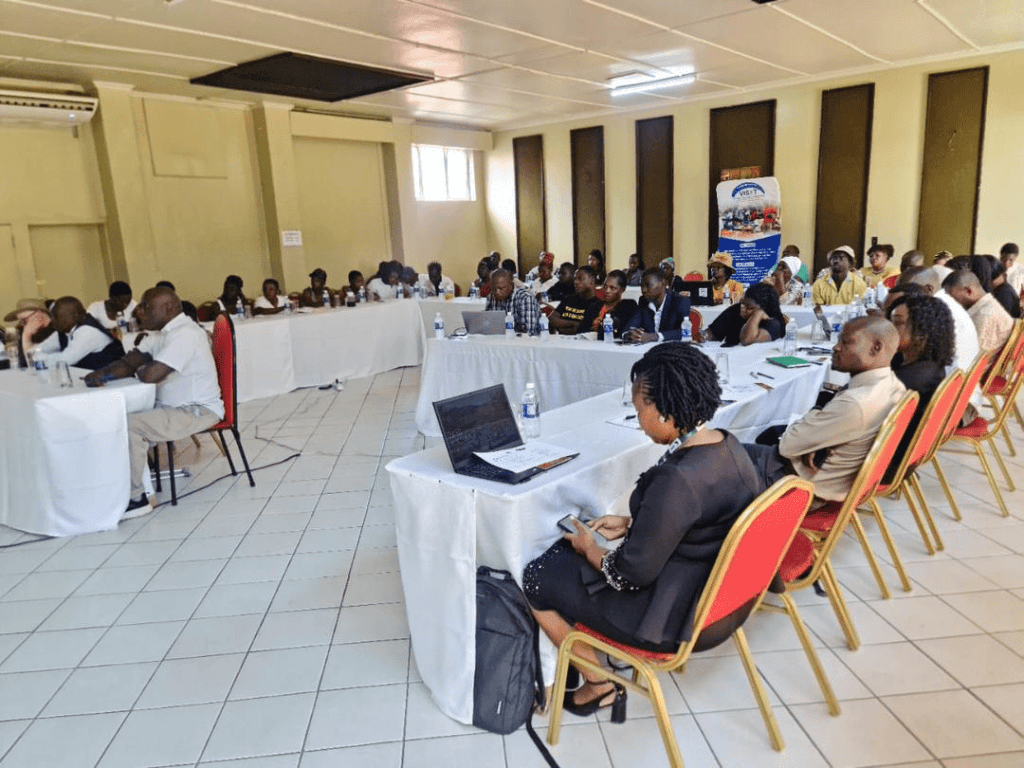
Henry Chivhanga, Executive Director of Disability Amalgamation Community Trust (DACT) representing persons with disabilities (PWDs) advocated for duty exemption on motor vehicle imports, even for those unable to hold a driver’s licence. ZIMRA acknowledged the need for amendments, pending Ministerial approval, while stressing the importance of preventing abuse.
Golden Maunganidze, executive director of TellZim newspaper, underscored the media’s role in informing, educating, and entertaining, making it a critical advocacy tool for advancing reforms.
Masvingo city Ward 9 Councillor Benard Muchokwa, who is also Finance Committee Chair, outlined infrastructure projects to be rolled out once the 2026 budget receives ministerial approval.
The Ministry of Women Affairs, Community, Small and Medium Enterprises Development, offered advise to traders in formally registering their enterprises, along with ZIMRA registration, at no cost, and highlighted funding models for women in business.
The dialogue demonstrated a commitment to addressing informal sector concerns and fostering a more inclusive economic environment.
