MARTIN MAWAYA
Harare-In an effort to serve the environment around water sources, Mozambique and Zimbabwe have established a Tri-Basin institution to manage the Buzi, Pungwe, and Save (BUPUSA) River Basins.
The BUPUSA water resources which have over the years suffered from extreme climate effects such as floods, droughts, and cyclones are located along the Beira corridor, an important economic corridor that links the Beira harbour to the hinterland.
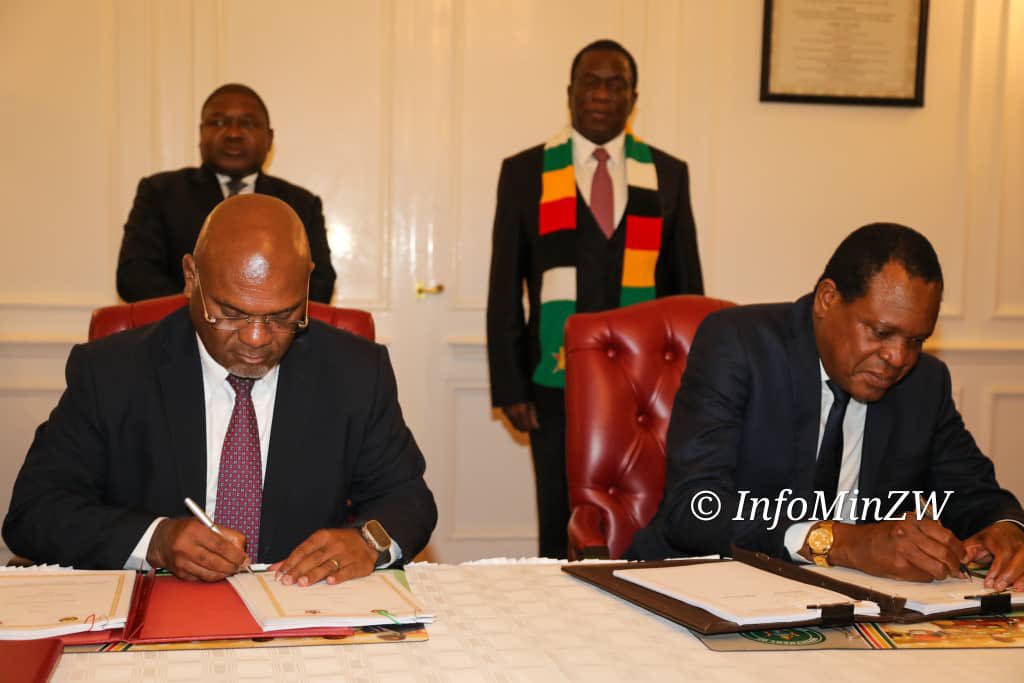
The Watercourse Commission culminated from the signing of the Save Water Sharing Agreement, the BUPUSA Hosting Agreement, and the BUPUSA Establishment Agreement by the two countries’ Ministers of Water in Harare this year.
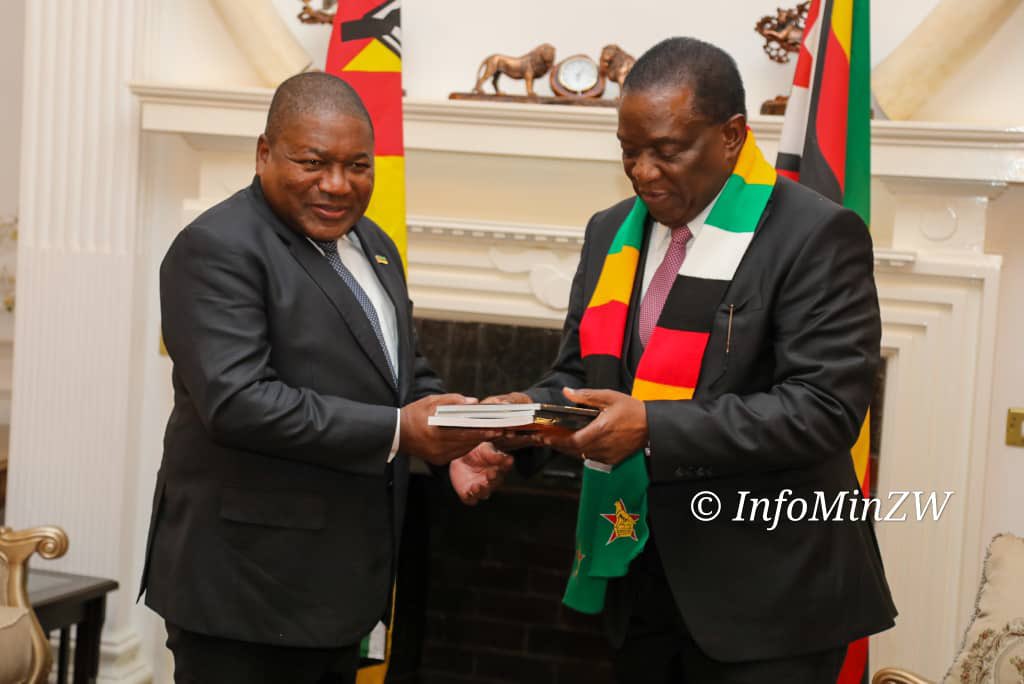
In addition, the agreements signing ceremony was witnessed by President Emmerson Mnangagwa and his Mozambique counterpart President Filipe Jacinto Nyusi who commended the achievement and emphasized the need to operationalize the agreements and execute the mandate of the new Tri-basin organization.
In a communiqué, Mozambique Minister of Public Works and Water Resources, Carlos Mesquita said the Tri-Basin will enhance the two sister countries relations and cooperation.
“The Bilateral Tri-basin Commission will strengthen the good neighbourliness and the social and economic ties that already exist between Mozambique and Zimbabwe.
“Further to enhancing cooperation between the two countries, the BUPUSA Commission will also create a platform for dialogue between the two countries on the management of the three basins,” he said.
Zimbabwe’s Minister of Lands, Agriculture, Fisheries, Water, and Rural Resettlement, Anxious Masuka also commended the collaboration and establishment of the commission.
“We will ensure that water is managed in an environmentally friendly and sustainable manner to promote peace and provide prosperity for the stakeholders in Mozambique and Zimbabwe,” said Masuka.
The BUPUSA Watercourses Commission will have oversight on the planning, development, and management of the water resources within the River Basins as envisaged in the Southern African Development Community (SADC) Revised Protocol on Shared Watercourses signed in 2000.
The government of Mozambique will be hosting the secretariat for the next 15 years and by Zimbabwe, thereafter, as provided for by the BUPUSA Hosting Agreement.
At the Basins, human activities are also on the rise, causing damage to the environment as well as deteriorating the water quality, with Small-scale gold miners being identified as major polluters impacting surface water, groundwater, and wetlands adjacent to the river.
Added to this are inappropriate catchment management activities such as shifting and slope cultivation, charcoal burning, and gold panning, which have led to land degradation including increased sediment loads as well as deteriorating water quality.
However, The International Union for Conservation of Nature (IUCN) will support the two governments in the conservation, sustainable use, and risk mitigation of the BUPUSA basins’ water resources and promotion of holistic approaches using the water-energy-food nexus, with a specific interest in connected ecosystems.

