Faith Ndou
MASVINGO-The Deputy Minister of Sport, Recreation, Arts and Culture, Emily Jesaya has called for enhanced collaboration between government, Parliament and the private sector to unlock the potential of sport and creative industries.
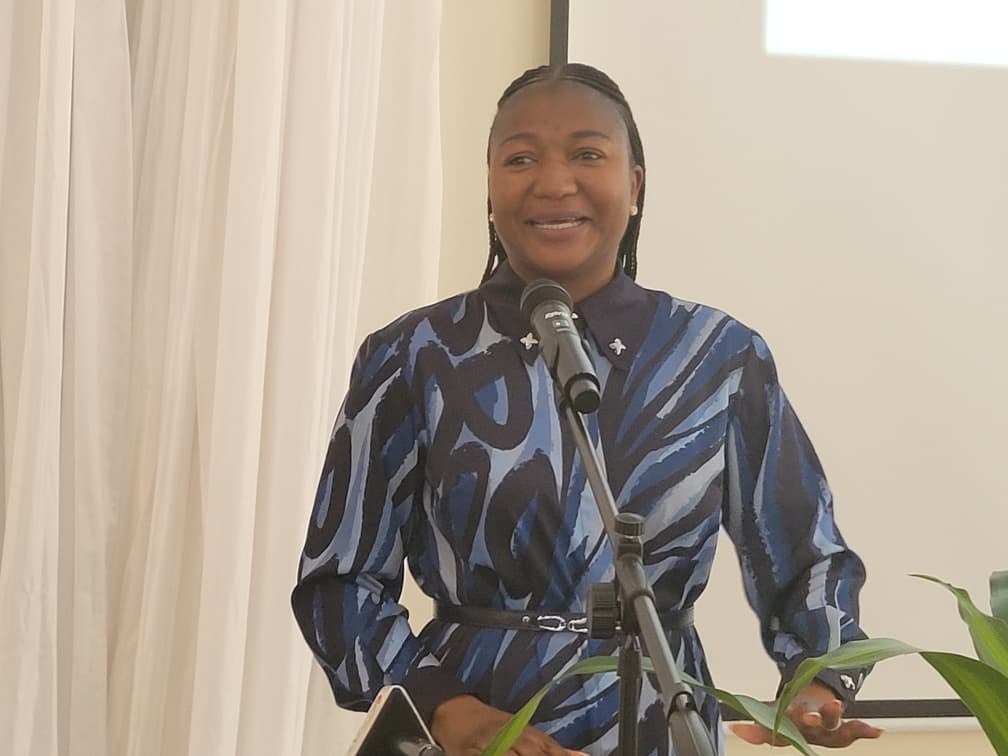
Speaking at an interface workshop held at Clevers Lakeview Resort yesterday (March 24), Jesaya emphasised the importance of aligning policies, programmes and budget allocations with national development priorities under the National Development Strategy 2 (NDS2).
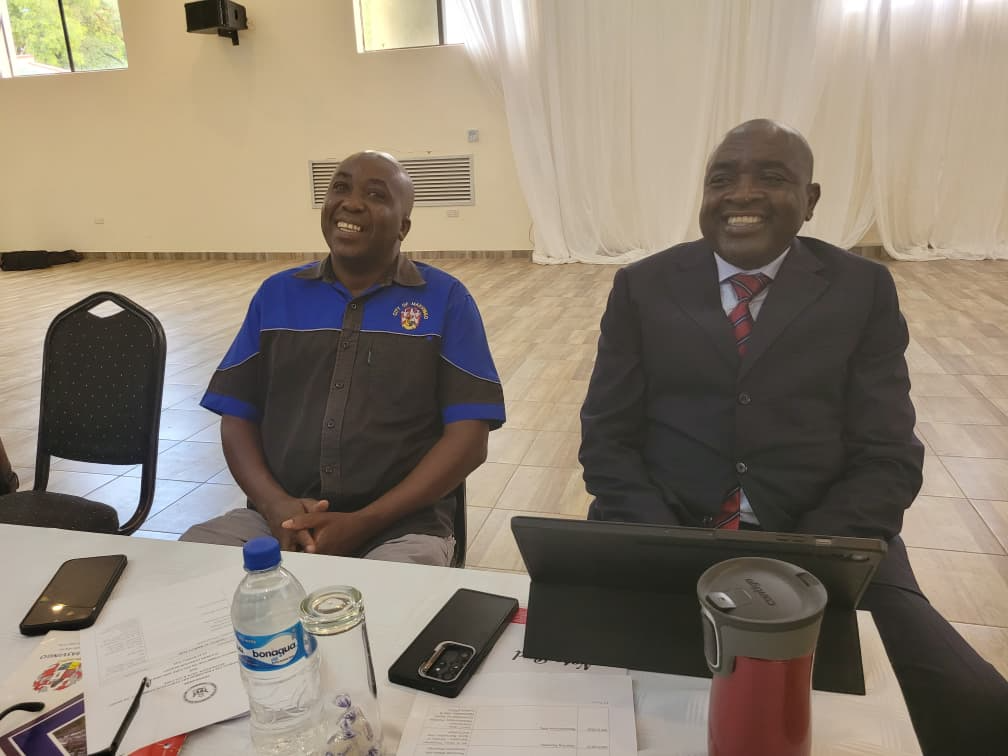
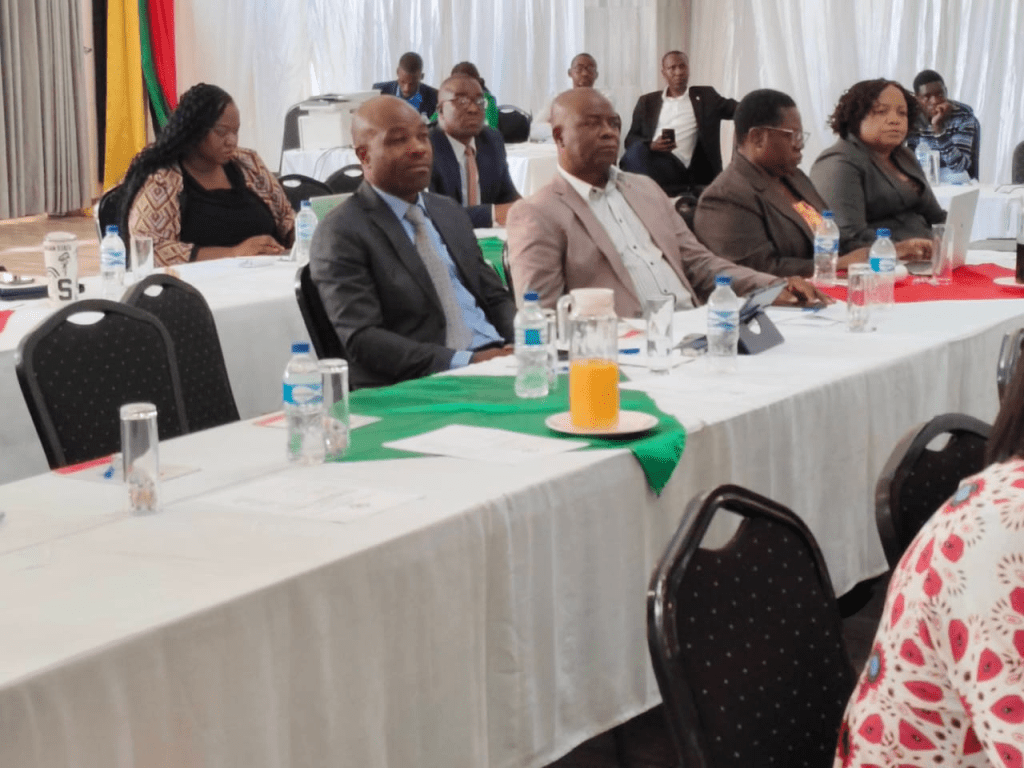
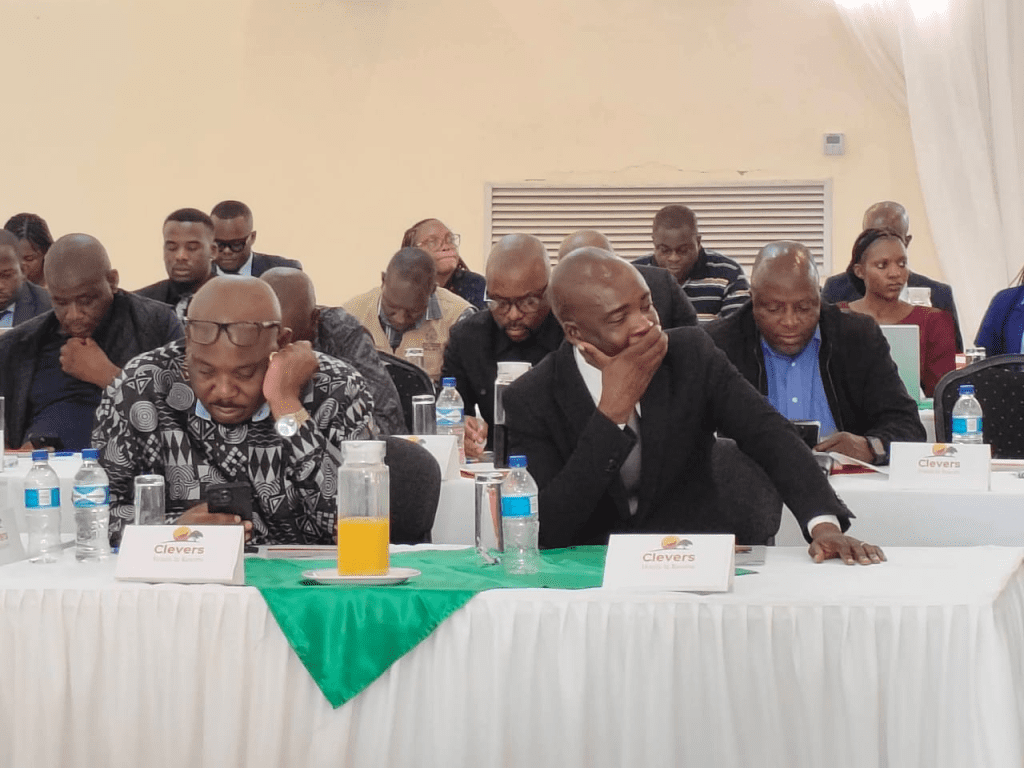
The workshop brought together the Parliamentary Portfolio Committee on Sport, Recreation, Arts and Culture and the Thematic Committee on Culture and Heritage to deliberate on improving coordination and oversight within the sector.
Jesaya said the engagement comes at a critical time as Zimbabwe moves to implement NDS2, the final blueprint towards achieving Vision 2030 of an empowered upper middle-income economy.
“This interface is crucial as we ensure that our policies and programmes are responsive to legislative oversight, national development goals and public expectations,” she said.
She highlighted that sport, recreation, arts and culture remain key pillars in driving economic growth, social cohesion and national identity but urged stakeholders to confront existing challenges.
“We must reflect on both our strengths and weaknesses. While we have made strides in nurturing talent and promoting cultural heritage, we must address the barriers that hinder us from achieving our targets,” Jesaya noted.
The Deputy Minister placed strong emphasis on the need for sustainable investment, calling for increased engagement with private sector players and international partners to support infrastructure development and the growth of creative industries.
Meanwhile, Chairperson of the Parliamentary Portfolio Committee and CAPS United Football Club onwer Farai Jere, called for deliberate efforts to preserve Zimbabwe’s history and cultural identity through the arts.
“Let’s rewrite our history through arts, through statues and morals. Where are the monuments of our national heroes such as Josiah Tongogara and Lookout Masuku?” Jere questioned.
He also raised concern over the decline of indigenous languages, warning that their erosion poses a serious threat to Zimbabwe’s cultural heritage.
“Language carries our history, values and worldview. When language fades, culture fades. This must be treated as a national concern requiring urgent intervention,” he said.
Jere acknowledged the National Language Policy as a progressive step but stressed the need for effective implementation, citing Midlands State University as a leading institution in promoting indigenous languages.
Stakeholders at the workshop also called for a renewed embrace of Isintu/Chivanhu, urging communities not to lose their cultural identity in the face of modernisation.
Participants expressed concern that children are increasingly detached from traditional practices, spending more time on social media rather than engaging in indigenous games that teach values, discipline and social cohesion.
There were also strong recommendations for the Ministry to establish cultural centres across districts to promote interaction among diverse communities, languages and traditions.
Such spaces, stakeholders noted, would foster cultural exchange and strengthen national identity while encouraging the everyday use of indigenous languages as carriers of Zimbabwe’s heritage.
As Zimbabwe pushes towards Vision 2030, stakeholders expressed optimism that strengthened public-private partnerships alongside deliberate efforts to preserve culture and promote indigenous knowledge systems will be key to transforming the sport and creative sectors into powerful drivers of economic growth, social cohesion and national identity.
