MARTIN MAWAYA
GWERU–Media practitioners have been urged to avoid outdated and offensive terms when reporting on people with disabilities, as these phrases can reinforce negative stereotypes.
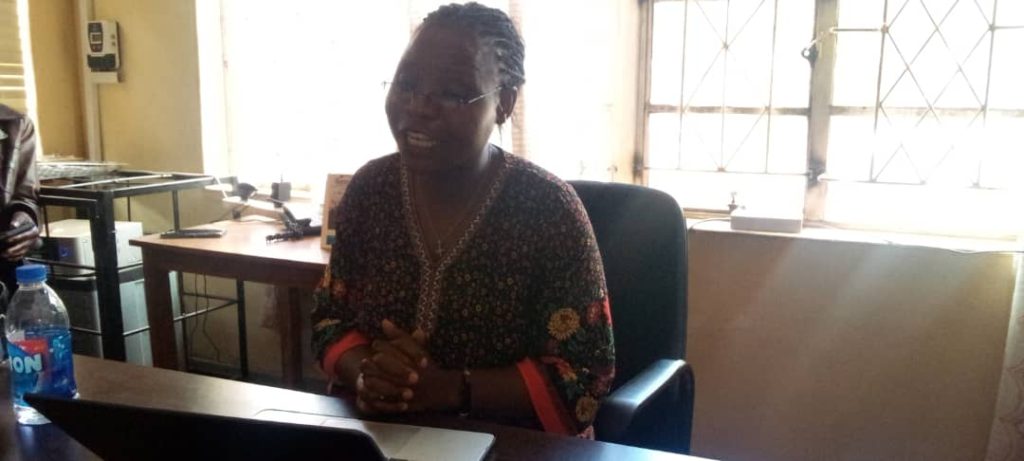
The call was made by Deaf Women Included (DWI) Zimbabwe Executive Director, Agnes Chindimba during a media training session held in Gweru on Tuesday.
Chindimba emphasized the importance of using disability-friendly terminology, noting that the language used can have a significant impact on societal perceptions and attitudes towards people with disabilities.
“The language we use is important because it may reinforce negative stereotypes and can be hurtful to persons with disabilities,” Chindimba said. “It is crucial that we adopt terminology that celebrates diversity and promotes the human rights model of disability.”
Chindimba provided guidance on the use of person-first language, which emphasizes the person rather than the disability.
She advised against using derogatory terms like “deaf and dumb” and instead suggested “deaf person” or “person who is deaf.”
Additionally, the DWI team leader cautioned against the use of condescending euphemisms, such as “differently abled” or “people of determination,” which she said can be considered patronizing.
She stressed that disability should not be viewed as an illness or a charity issue, and that persons with disabilities should be recognized as rights holders, not objects of pity.
“Persons with disabilities are the same as everyone else in terms of talents and abilities,” Chindimba said. “We must avoid labeling and stereotyping, and instead use positive and empowering language that promotes inclusion and respect.”
The media practitioners acknowledged the need to be more mindful of their language when reporting on issues related to disability, adding that they will use disability-friendly terminology and promote a more inclusive narrative.
