Roseline Mutare
A recent media tour by the National Aids Council showcased the advancements in HIV prevention efforts in Masvingo Province.
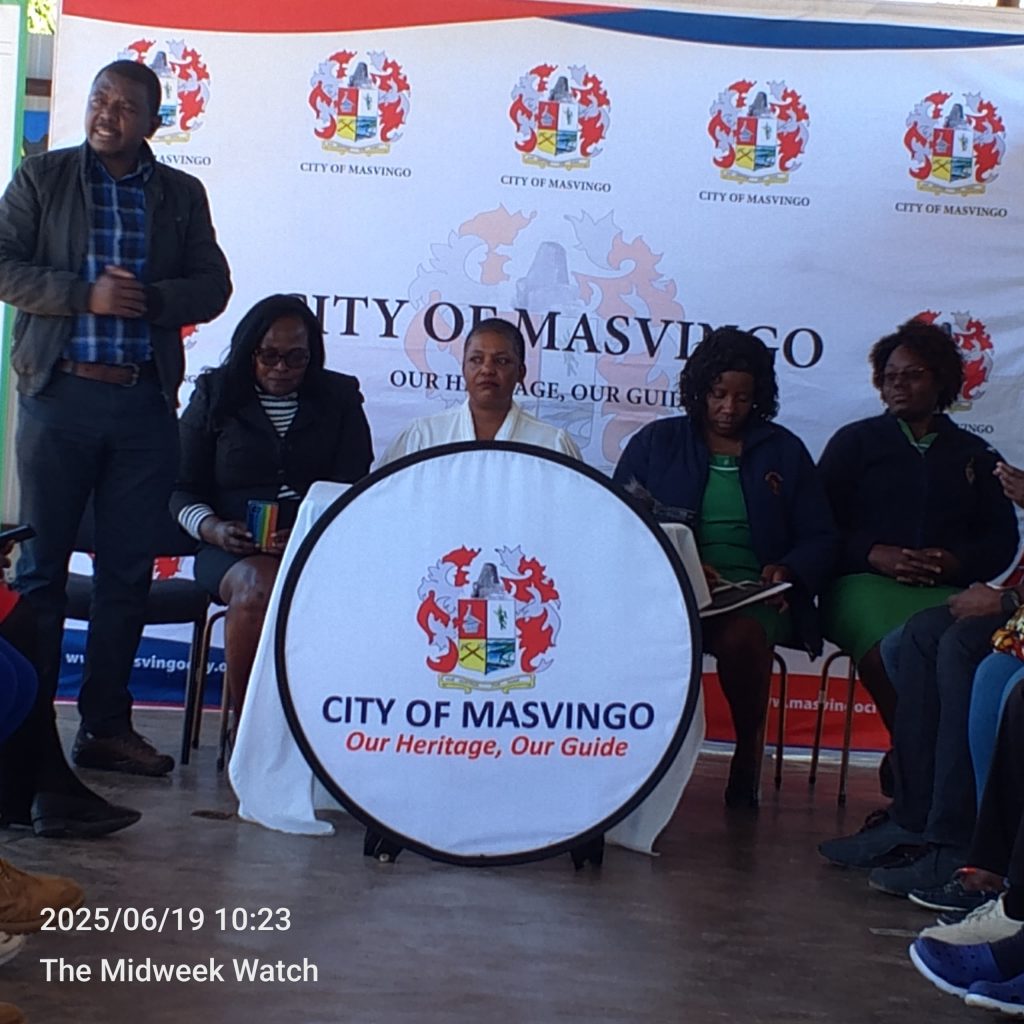
Angeline Maredza, acting senior nursing officer in Masvingo City, reported a positive trend in how clients access health services. More people are using Key Population (KP) friendly services and Voluntary Counseling and Testing (VCT).
“Referrals have increased to 1% of clients, up from 0% in the last quarter, showing our peer-to-peer outreach programs are working. The availability of condoms and lubricants has improved, leading to more health service uptake, especially among high-risk groups,” Maredza noted.
Maredza also highlighted that efforts to raise awareness about Sexually Transmitted Infections (STIs) are now part of outreach programs, like those at Mbudzi shops, stressing the need for comprehensive sexual health education.
Despite progress, several challenges persist.
“We still face a shortage of flavored condoms, which affects use among Key Populations. Retention rates for Pre-Exposure Prophylaxis (PrEP) are low, indicating that we need better support and counseling,” she explained.
Logistical issues have also hindered health services, causing delays in setting up of the crucial moonlight clinics. There is a need for better planning and management. The service uptake among young Female Sex Workers is low, highlighting the need for targeted outreach programs.
To tackle these challenges and build on progress, upcoming plans include increasing PrEP initiation and introducing PrEP rings and injections. Partnerships with groups like Gays and Lesbians Association of Zimbabwe (GALZ) will be vital for outreach, with monthly events planned at hotspots to provide HIV testing, STI screening, and condom distribution.
“By working together, we can overcome these challenges and make significant progress in HIV prevention. Our goal is to achieve the 95-95-95 targets and aim for an AIDS-free generation,” she emphasized.
Christina Chauke, nurse in charge at Runyararo Clinic, said the Community-Led Monitoring (CLM) initiative has helped connect the clinic with the community.
“The CLM identifies barriers to accessing HIV and sexual health services,” said Chauke.
She noted successes from the CLM, such as increased friendliness toward Key Populations, more clients served, and better follow-ups on people who miss appointments, improving the retention of PrEP and ART.
“The CLM has also fostered a better partnership with other groups and brought more transgender people to our services,” she said.
The CLM has also uncovered knowledge gaps in Key Population programming, which led to the start of Proud to Serve Dialogues and improved links to other services, including antenatal care, postnatal care, family planning, and voluntary HIV testing.
