MARTIN MAWAYA
HARARE–Mkoba South legislator, John Kuka has urged government to extend free cancer screening programmes to men, saying current initiatives mainly cater for women despite a rising number of male cancer cases in the country.
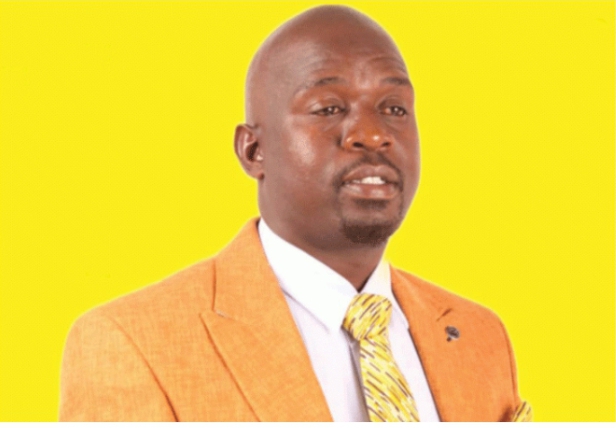
Speaking in Parliament, Kuka said while the Ministry of Health and Child Care has made commendable progress in providing free cervical cancer screening for women, there was a need for an inclusive policy that allows men to access similar services at no cost.
“There is a programme where women are getting free cancer screening. What policy does the Government have for men to get such a programme?” Kuka asked during a question-and-answer session.
However, the Health and Child Care Minister, Dr. Douglas Mombeshora, said government was committed to ensuring universal access to cancer screening and treatment services for both men and women through the forthcoming National Health Insurance Scheme (NHIS).
He revealed that a National Health Insurance Bill had already been drafted and was expected to be tabled before Parliament soon.
“As Government, we expect everyone in Zimbabwe and permanent residents to be examined for free in Government hospitals,” Dr Mombeshora said. “We want that to be possible through the National Health Insurance Scheme, which is now at an advanced stage. If it succeeds, by mid-next year the law will establish funds for free examination for everyone.”
The minister added that, while the insurance framework was being finalized, the government had already procured eight mobile health vans to provide free medical examinations including cancer screening across provinces.
“Those vans will be testing both women and men, starting with prostate cancer for men and cervical cancer for women,” Dr Mombeshora said. “We have since sent a team to Mozambique to clear the vehicles, and we expect them in the country soon.”
Dr. Mombeshora further disclosed that government was procuring advanced medical equipment, including CT scans ((computed tomography) is a medical imaging test that uses X-rays and a computer to create detailed, cross-sectional images of the body to help doctors diagnose conditions, plan treatments, and monitor health. The process is painless and quick, involving a table that slides through a ring-shaped machine, taking images from various angles to produce “slices” of the body. Contrast dye may be given orally or intravenously to enhance image clarity.), MRI machines (MRI stands for magnetic resonance imaging, a medical imaging technique that uses strong magnetic fields, radio waves, and a computer to create detailed pictures of the body’s internal organs, soft tissues, bones, and blood vessels.) and ultrasound equipment, to improve diagnostic services at provincial hospitals.
“We are procuring CT scans, ultrasound, MRI scans and a lot more machinery to put in provincial hospitals. If treasury pays, we expect everything to be in place within two months,” he said.
The initiative comes as cancer cases continue to rise nationwide, with health experts urging early detection as the most effective way to improve survival rates.
