SYDNEY MUBAIWA
MASVINGO- The Jiri family has expressed gratitude to President Mnangagwa and the ruling Zanu-PF party for posthumously declaring National Hero status to the late philanthropist, human rights and disability rights pioneer Jairos Dambga Jiri.
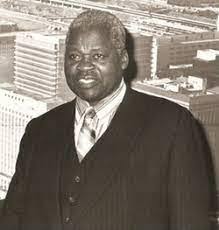
Family spokesperson Nyasha Jiri hailed President Mnangagwa for the recognition.
“On behalf of the Jiri family, I want to thank government led by His Excellency President Emmerson Mnangagwa for honouring our father with a national hero status,” he said.
The late Jiri succumbed to hypertension at Dzidzo House in Harare on November 12, 1982.
He was 61.
He is remembered as one of the country’s most selfless humanitarians. Born on June 26, 1921 in Mazvimba Village, Bikita District, Masvingo Province, Jiri was a fourth born in a family of four children.
He enrolled for primary education at Gokomere Mission in 1929. In the second term, he was sent back home by school authorities for failing to pay school fees. He then started herding cattle to raise funds for school fees but his employers were not paying him on time.
As a result, Jiri dropped out of formal education before completing Sub A.
After tirelessly working as a herdboy in the pastures of Bikita for a number of years, he moved to Masvingo in his quest to get a job.
He was employed as a gardener by a white man who subjected him to inhumane treatment.
He rose from humble beginnings to become a champion for the welfare of people with disabilities.
In 1948, he founded the Jairos Jiri Association, an organisation that transformed the lives of thousands of physically challenged and vulnerable people through vocational training, education, rehabilitation and housing.
His philanthropic work extended far beyond charity. He was instrumental in promoting social inclusion at a time when disability was stigmatised and neglected under colonial rule.
The late Jiri’s initiatives such as workshops, training centres and hostels across the country, became safe havens for the marginalised and disadvantaged community members.
His dedication earned him both national and global recognition, cementing his position as a towering figure in the country’s social development history.
