MARTIN MAWAYA
GWERU-Ferrochrome smelting is one of the most electricity intensive industrial processes, requiring continuous power to keep furnaces operating at extremely high temperatures.
In Zimbabwe, frequent blackouts and rising electricity tariffs have forced several smelters to scale down operations or shut down altogether, squeezing output in a sector that depends heavily on stable power.
Industry executives say electricity costs can account for up to half of ferrochrome production expenses, while interruptions to the smelting process can trigger costly furnace shutdowns and lengthy recovery periods.
Against this backdrop, Chinese-owned company, JinAn Group has launched construction of a 20-megawatt solar power plant in Midlands province in a move aimed at stabilising electricity supply for energy hungry ferrochrome smelters.
The project, known as the ALMID 20MW Solar PV Plant, forms part of a broader US$140 million energy investment that also includes a planned 100-megawatt captive power station designed to guarantee uninterrupted electricity for furnaces at the Gweru Heavy Industrial Site.
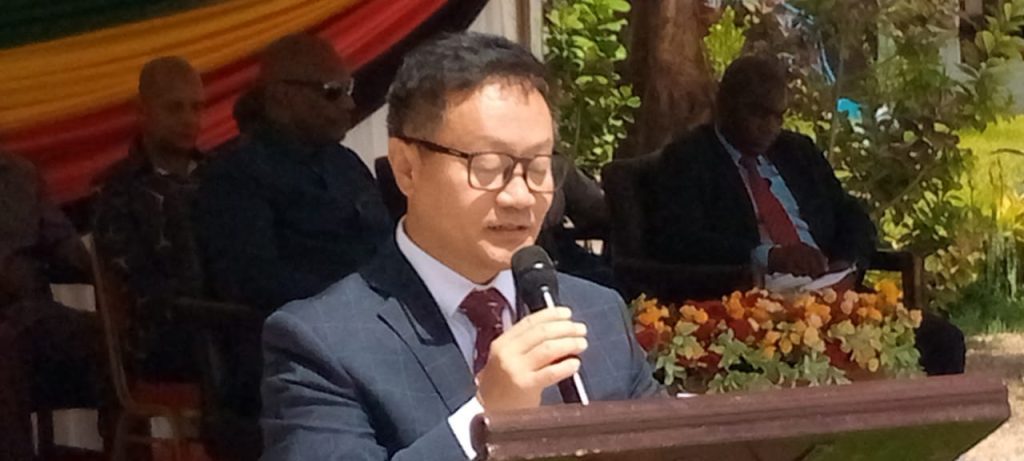
JinAn Group founder and chairman Zhou Xuegong said the solar project would help ease the sector’s energy constraints by providing reliable and sustainable electricity to support industrial production.
“Zimbabwe has huge potential in renewable energy development,” Zhou said at the project launch on Tuesday. “This investment will provide reliable electricity, support industrial growth and create employment opportunities for local communities.”
The solar plant is expected to begin generating power by August 2026, while the planned 100MW captive power station is scheduled for commissioning by the end of 2027.
Reviving a strategic export sector
Once completed, the energy projects are expected to enable ferrochrome plants at the Gweru Heavy Industrial Site to operate at full capacity, boosting production, employment and generating an estimated US$100 million in foreign currency annually.
Zimbabwe holds some of the world’s largest chrome ore reserves and ferrochrome, an alloy produced by smelting chrome ore, is a critical ingredient in stainless steel used in construction, automobiles, infrastructure and industrial machinery.
Despite this mineral advantage, the country’s smelting industry has struggled to remain competitive due to high electricity tariffs and erratic power supply.
These constraints have forced companies to periodically scale down production or export raw chrome ore instead of processing it locally.
Analysts say renewable energy projects such as solar plants could help reduce long term energy costs while shielding producers from tariff hikes and grid disruptions that frequently interrupt industrial operations.
Reliable power supply is particularly critical for ferrochrome smelting because once furnaces cool due to a power outage, restarting them can take days and require large amounts of additional energy, resulting in significant financial losses.
Global pressure on ferrochrome producers
The difficulties confronting Zimbabwe’s ferrochrome sector mirror broader shifts in the global industry.
In Southern Africa, particularly Zimbabwe and South Africa hold the bulk of the world’s chrome ore reserves and historically dominated ferrochrome production.
However, the balance has shifted over the past two decades as China rapidly expanded its smelting capacity to feed its vast stainless steel industry.
China now accounts for a significant share of global ferrochrome production, importing chrome ore from resource rich countries such as Zimbabwe and South Africa and processing it in large-scale smelters.
This shift has intensified competition for producers in Africa, where high electricity costs and unreliable power supply have eroded the competitiveness of local smelting operations.
At the same time, international ferrochrome prices remain volatile, largely tied to fluctuations in stainless steel demand from major economies such as China, India and the European Union.
During downturns in the steel cycle, prices can drop sharply, forcing smelters to cut production or temporarily idle furnaces to limit losses.
In response to these pressures, JinAn Group says its energy investment could help reposition Gweru as a competitive ferrochrome production hub while creating about 2,000 jobs and technical training opportunities for local communities.
Officials say the project will also increase the share of renewable power in Zimbabwe’s electricity generation portfolio while easing persistent energy shortages affecting heavy industry.
For Zimbabwe, which relies heavily on mineral exports to generate foreign currency, stabilising ferrochrome production could strengthen export earnings and help revive industrial activity in the Midlands province.
