MILLICENT HUNGWE
The Ministry of Home Affairs and Cultural Heritage has commenced its 2026 Strategic Planning Workshop, running from 9 to 15 November at Clevers Resort in Masvingo.
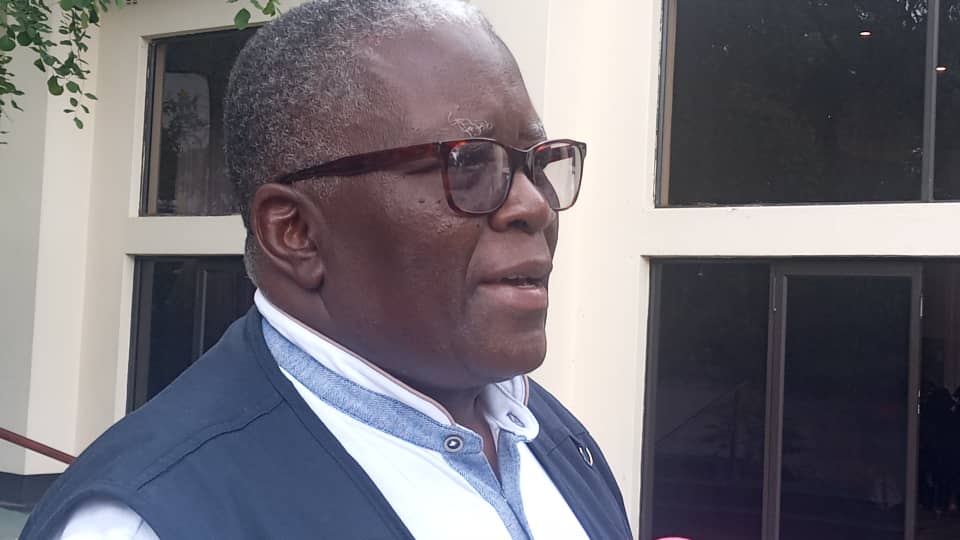
The workshop brings together senior officials, department heads, and stakeholders under one roof to align the Ministry’s priorities with national development goals under Vision 2030.
The event was officially opened with remarks by the Permanent Secretary, Ambassador Raphael Faranisi, who emphasized the importance of clear strategic direction, accountability, and measurable outcomes in all Ministry operations.
He reiterated the Ministry’s critical role in safeguarding national identity, heritage, public safety, and civil rights.
“This workshop is a platform to reflect on our achievements, identify gaps, and craft practical strategies that ensure we deliver on our mandate efficiently,” said Ambassador Faranisi.
He added, “As we gather, we do so with a shared purpose: to reflect and recommit ourselves to the goals that lie ahead.”
Key issues on the agenda include modernizing the National Archives, improving documentation services, strengthening internal security frameworks, and preserving Zimbabwe’s cultural and historical heritage.
The Ministry is also placing focus on enhancing service delivery through digital transformation and strengthening collaboration with communities and stakeholders.
Departments represented include the Registrar General’s Office, National Museums and Monuments, ZRP, and Immigration Services, among others.
The workshop is expected to culminate in a detailed document outlining key points about the transition from National Development Strategy 1 (NDS1) to National Development Strategy 2 (NDS2), which will run from 2026 to 2030.
The Mid-Week Watch confirmed that as NDS1 concludes in 2025, preparations are underway for NDS2, which will guide development for the next five years.
Under NDS1, the Ministry made strong progress in civil registration, national security, cultural preservation, and service modernisation.
These gains were strengthened by the introduction of performance contracts, improved monitoring and evaluation systems, and stronger governance.
The transition from NDS1 to NDS2 requires clarity of vision, unity of purpose, and strategic foresight.
Ambassador Faranisi explained that NDS2 aims for deeper institutional reforms, accelerated digitalisation, inclusive and citizen-centred services, as well as stronger accountability and measurable results.
