FAITH NDOU
BIKITA-The Great Zimbabwe University recently held a two-day Community Engagement and Legal Awareness Programme in Bikita as part of efforts to empower local communities affected by mining activities.
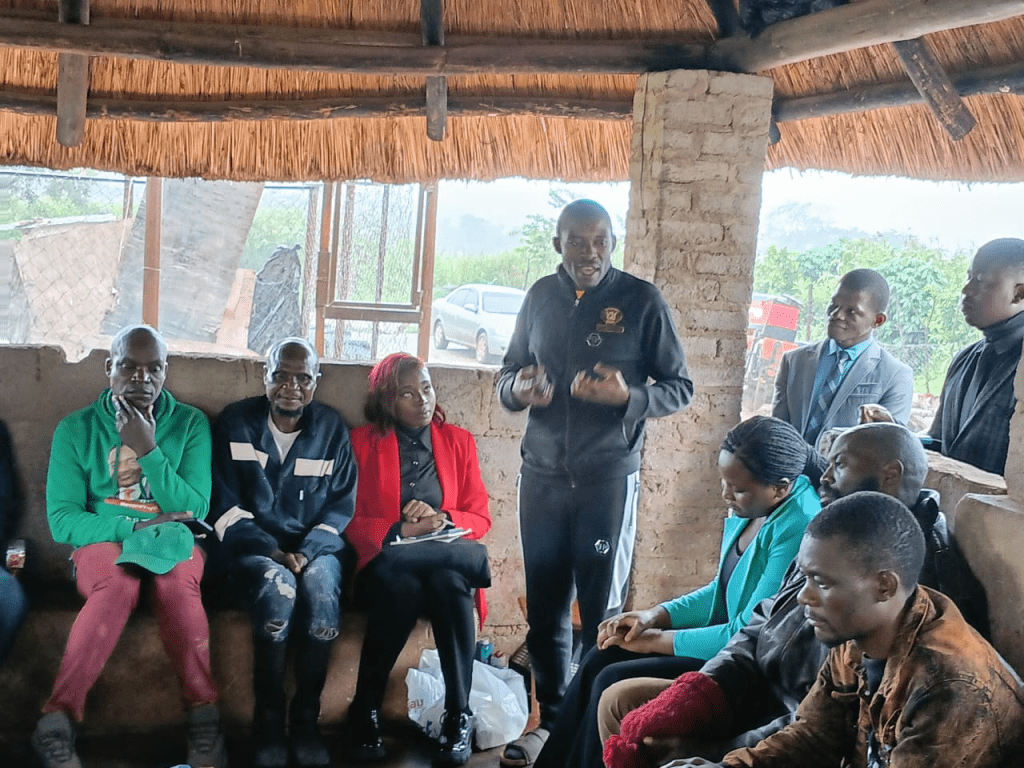
The programme which ran from March 11 to 12, 2026, saw a delegation from the university’s Environmental and Mining Law Unit visiting Chief Marozva’s area to engage with the community on critical environmental and legal issues.
The initiative, supported by the Zimbabwe Environmental Lawyers Organisation (ZELO) focused on raising awareness about environmental protection and equipping residents with knowledge of their legal rights.
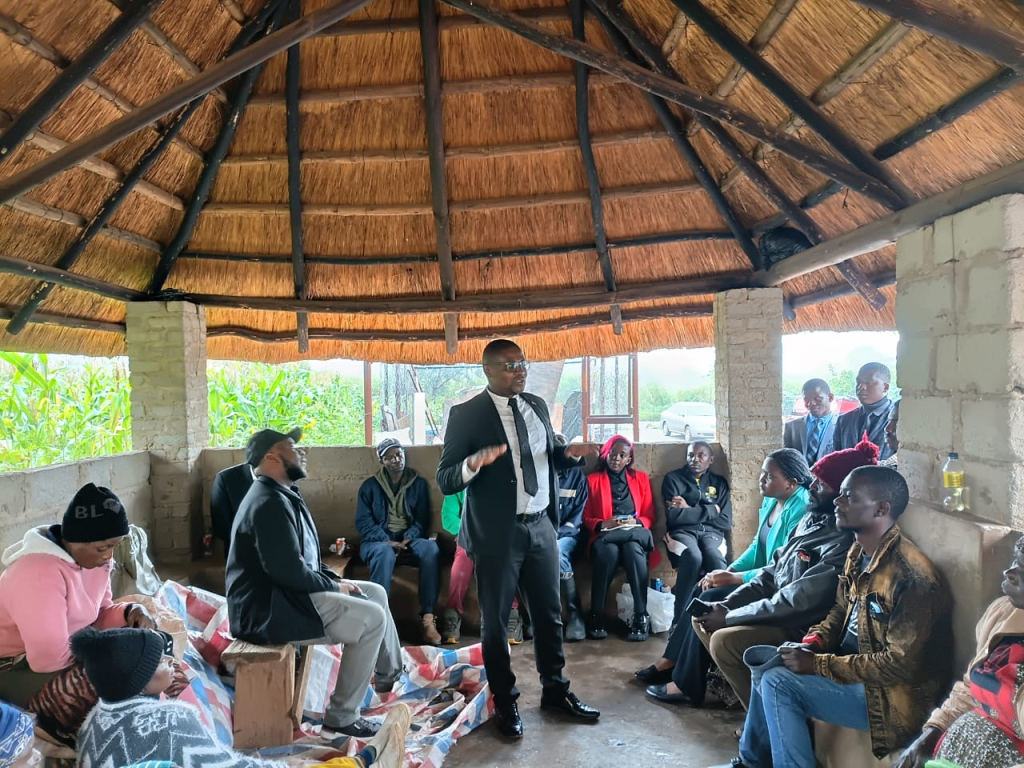
Led by GZU’s Herbert Chitepo Law School Executive Dean Nkosana Maphosa, the delegation comprised ten law students, accompanied by Law School Librarian Oscar Mafuta, environmental law lecturers Emerge Masiya, Faith Ndlovu and a ZELO representative.
The team combined academic expertise with practical legal guidance to address concerns raised by the community.
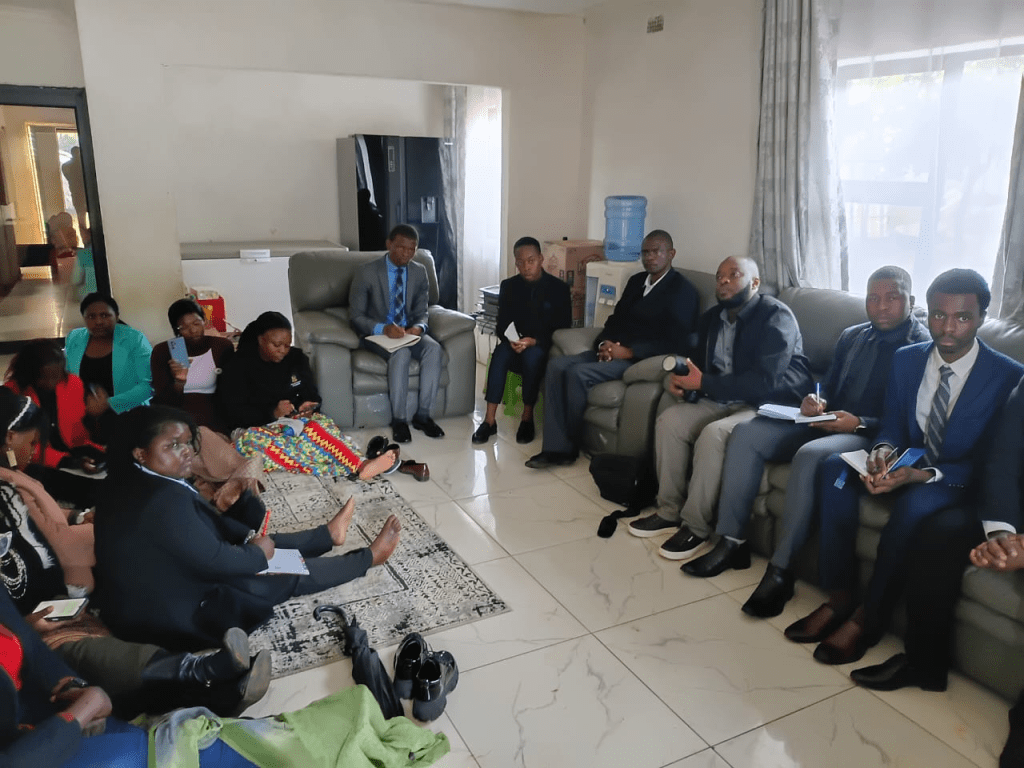
During the first day, the delegation met with Chief Marozva and his headmen, where discussions centred on environmental challenges such as water pollution and land degradation linked to mining operations.
Community members were taken through legal awareness sessions that highlighted their rights and responsibilities under environmental and mining laws with the university reaffirming its commitment to community empowerment through legal education.
On the second day, the programme extended into academia with a guest lecture hosted at the university’s law school legal aid clinic. The session brought together key stakeholders including ZELO Deputy Director as well as representatives from the Forestry Commission, the Zimbabwe Human Rights Commission and ZimParks.
Discussions covered environmental law, mining regulation, human rights and access to free legal aid, providing both students and community members with practical insights into environmental justice.
The initiative resulted in increased awareness among residents, who gained a clearer understanding of legal mechanisms available to address environmental concerns. It also strengthened collaboration between academic institutions and the community, highlighting the importance of partnerships in tackling environmental challenges.
The university has since recommended continued legal outreach programmes, enhanced collaboration with local stakeholders and the development of accessible legal resources to support affected communities.
Future engagements are expected to focus on monitoring progress and promoting sustainable environmental solutions in mining areas.
The initiative by Great Zimbabwe University not only strengthened legal awareness among the Bikita community but also set a foundation for sustained engagement, ensuring that communities affected by mining are better informed, empowered and equipped to advocate for environmental justice and sustainable development.
