MARTIN MAWAYA
GWERU-For Marvellous Vuranda (pictured), a young Zimdancehall hopeful from Chirumhanzu District, the journey into music has been an uphill task demanding resilience and persistence.
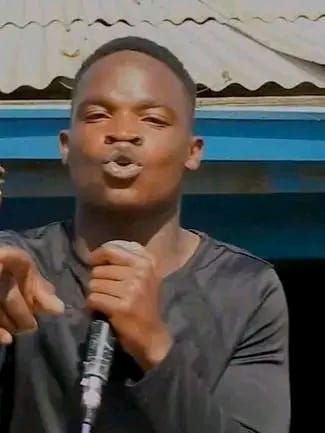
Known on stage as FeelFree (BossMidlands), the 28-year-old artist embodies a generation of ghetto-bred musicians pursuing their dreams with passion, determination and often borrowed studio time.
Born on August 18, 1997 at Hama General Hospital, Vuranda’s story mirrors that of many Zimbabwean musicians trying to break into an industry where raw talent alone rarely guarantees success.
He began his music journey in 2017, working with underground producers such as Byreeman, DJ Rajman and Blejah Production.
From the beginning, his music has been rooted in Zimdancehall, a genre that grew from the townships and has become the voice of urban youth.
His biggest inspiration comes from Killer T, whose rise from humble beginnings continues to motivate young artists across the country.
Like many aspiring musicians, Vuranda has had to juggle dreams with survival.
He currently works at Jinyi Enterprises, a Chinese-owned ferrochrome mining company in Gweru’s heavy industrial site, a job that pays the bills while he quietly builds his music career.
“I started hustling to raise money for recording,” he explains, describing the reality faced by many independent musicians.
Zimbabwe’s music industry has long been criticised for offering limited support to emerging talent.
Studio fees, marketing costs and lack of sponsorship remain the biggest obstacles for upcoming artists trying to break into the mainstream.
For Vuranda, the struggle is familiar. Funding remains a major hurdle as he often has to hustle for recording resources.
Although he moved to town so he could be closer to studios, access to professional production still comes at a cost.
Sponsorship has also proved elusive, leaving him to push his music independently.
Marketing his work has been another challenge as unsigned artists often struggle to secure radio airplay and visibility in an industry dominated by established names.
Despite these obstacles, Vuranda believes music should do more than entertain, it should carry a message.
Last year he released two singles “Ratidzai Tione” and “Anoradzikwa Afa”, while quietly building a catalogue of music recorded between 2017 and 2025.
In his track “Anoradzikwa Afa”, he addresses the issue of jealousy in society.
“In my song Anoradzikwa Afa, I explain that envy cannot harm anyone or bury them while they are still alive. People may be jealous, but time belongs to God, and everything happens in His perfect timing,” he said.
Another song, “Ratidzai Tione,” reflects on loyalty and the fragile nature of human relationships.
His upcoming debut album titled “MATCH ENDED” with a track such as “Mind Your Business” carries a message about self focus and personal responsibility.
“The song encourages people to focus on what they can do in the moment, rather than constantly comparing themselves to others, a habit that can eventually lead to poverty or misfortune,” he noted.
Zimdancehall has produced some of Zimbabwe’s most influential artists, yet it remains one of the toughest spaces for upcoming musicians to penetrate.
Without strong record labels or structured distribution networks, many artists rely on social media, street marketing and small performances to gain recognition.
Even successful musicians such as Winky D and the late Soul Jah Love endured years of struggle before reaching national prominence.
For upcoming artists like Vuranda, the road remains steep, but the determination is evident.
Across the world, music has proven to be a powerful tool for social change.
Legendary Jamaican artist Bob Marley used music to spread messages of unity and resistance, while modern African stars such as Burna Boy have shown how African sounds can dominate global stages.
Industry observers say Zimbabwe’s music sector holds similar potential if young artists receive proper investment, mentorship and exposure.
Music, they argue, is more than entertainment it can shape culture, influence social behaviour and inspire communities.
For many youths growing up in Zimbabwe’s high-density suburbs and rural districts, it also offers hope and a possible escape from unemployment and social hardship.
Vuranda hopes collaboration will help push his career forward.
He dreams of working with producer Chillmaster, securing radio airplay and eventually attracting corporate sponsorship.
“My Zimdancehall beats are for anyone who loves good vibes and groovy tunes,” he added. “I’m all about changing lives, one track at a time.”
From factory floors to recording studios, the Midlands artist proves that ghetto born dreams in Zimbabwe can defy limits.
