MARTIN MAWAYA
GWERU-Mkoba South legislator John Kuka has called on the government to urgently prioritize agricultural input support for institutions that house the disabled, as most of them have idle land that could meaningfully contribute to food security if adequately resourced.
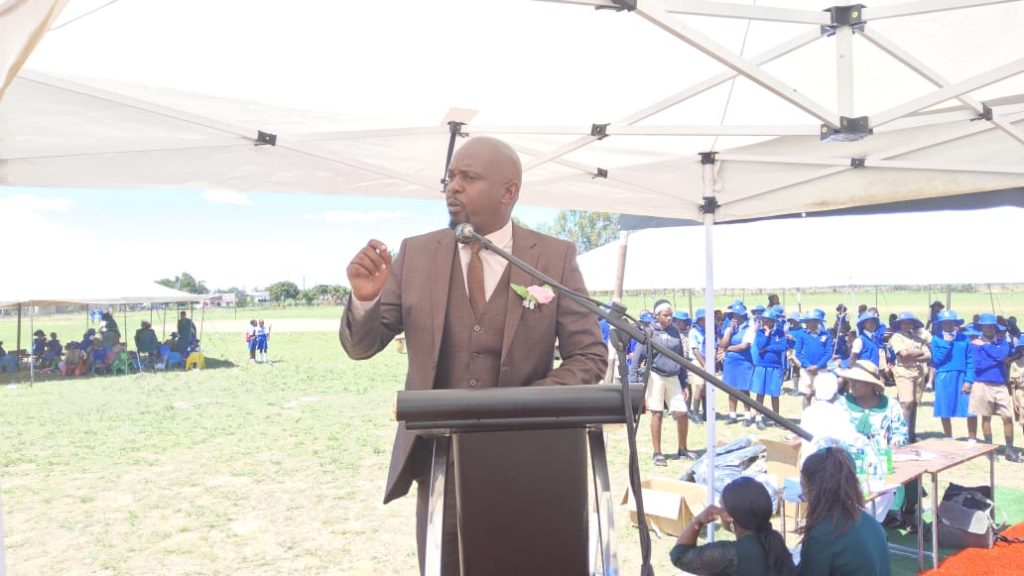
Raising the issue in Parliament last week, Kuka said many institutions for persons with disabilities, despite owning sizeable tracts of land, were failing to produce their own food due to lack of access to seed, fertilizer, and basic farming implements.
“We realize that people are being given seed and fertilizer. What is the government’s policy to ensure that institutions looking after disabled persons can grow their own food? Unfortunately, they are unable to do so because they do not have the necessary inputs or equipment to make maximum use of the land,” Kuka said.
He added that ensuring disability institutions receive timely support would be “a show of genuine inclusion,” stressing that persons with disabilities should not be left behind in national development efforts.
In his response, Minister of Skills Audit and Development Professor Paul Mavima said government recognizes the role such institutions play in both welfare and skills development, adding that they are eligible for support under national input schemes provided they register through Agritex.
“Wherever there is farming land be it A1 or A2, people must be assisted,” Mavima said. “If these institutions have land that can be used for growing crops, they should register with Agritex so that they may also be considered for inputs to enable them to till the land.”
Mavima emphasized that everyone capable of farming should contribute to food security, highlighting agricultural participation as both empowerment and education for persons with disabilities.
Agricultural experts say supporting disability serving institutions with inputs would ease their operational burden, improve nutrition for residents, and enable the centers to feed themselves rather than relying entirely on donations.
Many centers including Jairos Jiri Naran Centre, St Giles and others across the country spend a significant portion of their budgets on food purchases.
Access to seed and fertilizer, analysts noted, would allow them to channel limited resources toward healthcare, rehabilitation, assistive devices, and staff welfare.
Pathway to Skills Training
The move also aligns with government’s thrust on inclusive education and empowerment.
Farming activities within such institutions are already used to teach practical life skills to disabled persons, particularly the youths.
“Hands on participation in agriculture is not just food production, it’s training,” said Nyasha Mahwende from Disability Voices in Zimbabwe, in an interview with The Midweek Watch. “Input support would allow these centres to run structured training programmes in horticulture, crop production, and even small-scale irrigation management.”
Mahwende added that integrating disability institutions into mainstream agricultural support programmes would also boost national food security, as these centres often have larger, underutilized land compared to individual households benefiting from Pfumvudza and other schemes.
With improved access to inputs, the people with disability institutions could produce surplus maize, horticultural crops, or small grains, contributing to local markets and reducing pressure on national grain reserves.
However, disability advocates urged the government to establish clear guidelines and dedicated quotas to prevent institutional neglect during input distribution, which is often marred by logistical gaps and inconsistencies.
