By Morgen Makombo Sikwila
Fuel stations are persistent sources of environmental pollution, with impacts on air quality, soil and water integrity, and local ecosystems. While modern regulations and technologies have reduced some risks, legacy contamination and ongoing emissions remain significant challenges. Effective risk mitigation requires stringent regulatory oversight, advanced engineering controls, and ongoing monitoring to protect both the environment and public health.
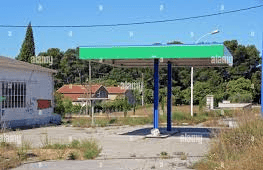
Setting up fuel stations in residential areas is dangerous due to high risks of catastrophic fires and explosions, severe air/water pollution from leaks (carcinogens like benzene), traffic congestion, and significant health issues for residents from fumes (respiratory, neurological), with children being particularly vulnerable to leukemia. These facilities store explosive fuels, making any incident (spills, equipment failure) a major disaster for nearby homes and people.
Many Zimbabweans citizens living near fuel stations complain about the strong smells of fuel. Scattered throughout countless residential neighborhoods, fuel stations cause significant harm to the health of nearby community members. Children suffer from dyspnoea as a result of constantly inhaling the toxic fumes of gasoline and diesel. Residents living near fuel stations have complained to authorities, demanding on multiple occasions that these stations be transferred from residential areas to protect the health of citizens. Despite their appeals, no action has been taken.
These residential area fuel stations not only harm citizens’ health via hazardous gas emissions, but also through heavy ground pollution. The flow of fuel products from deep under the ground to the fuel stations at the surface is highly detrimental to the health of residents. A particularly harmful compound excreted in the movement of fuel is the carcinogenic compound known as benzene.
Environmental Health and Environmental ManagementAgency Officers do not conduct laboratory tests on the air surrounding gas stations, despite strong suspicions that the air around these stations has high levels of benzene.
While fuel plant workers, who are constantly exposed to carcinogenic benzene, experience significantly harmful health effects, the impact of these car fuel emissions are not limited to fuel stations laborers. The environmental and health repercussions are much larger and negatively impact the lives of citizens beyond the immediate site of the fuel facility. When released, the fumes from the fuel turn into poisonous ozone gases that extend over a radius of a few kilometers and damage the respiratory systems of residents living within this zone.
What makes the situation worse is that the established Zimbabwean laws and regulations do not object to the construction of fuel stations within residential neighborhoods. Currently, there are no direct or binding laws in place working to prevent pollution from fuel stations. Additionally, there are no laws regulating the treatment of previously polluted sites. The economic cost of sterilizing polluted land with fuel residues, in order to rehabilitate it for various uses such as housing, construction or trade, could reach tens to hundreds of millions of dollars.
The number of Zimbabwe fuel stations that have fume treatment systems in place; to reduce toxic emissions released while filling car fuel tanks, is almost zero. However, in several countries worldwide, such regulations at fuel stations have been imposed for years. In fact, fuel stations work permits should require the establishment of fuel fume treatment systems. Vapors from fuel stations pollute the air and harm public health. Regulations aim to collect the vapors released while filling the station’s tanks. Once these pollutants are collected, they are returned back to the tanks. The enactment of these regulations at the stations near homes and sensitive sites is particularly vital. It is not only important to reduce the emission of volatile and carcinogenic substances contained in fuel, such as benzene, but also other polluting substances, particularly toxic heavy metals, including lead.
Gas and fuel stations in most towns are located in residential areas, it is assumed that in the long-term, they will be redeployed. These stations are “Ticking Chemical bombs,” destroying public health and ecology in their residential and environmental surroundings. As an immediate first step, regular monitoring and control of the pollution resulting from these stations are required and periodic laboratory tests of air and ground samples from fuel station sites and from their immediate residential surrounding are essential. Of particular importance is testing the presence of hazardous metals, benzene, and other volatile organic substances.
Zimbabwean authorities (the Ministry of Power and Energy Development, Zimbabwe Energy Regulatory Authority, the Ministries of Environment, Climate and Wildlife; and Health) must impose the installation of systems for fuel fume treatment in all facilities, and enforce the mandate that the owners of fuel stations properly implement these systems. This will likely be a gradual process, occurring over a specified period of time. It is important to require the installation of treatment systems in all fuel stations, including those existing from the time of the Rhodesian Government (before April 1980) and those established after independence. The installation of fuel treatment systems should occur in addition to the implementation of appropriate scientific preventive tests, based on the necessary specifications and proper examination procedures.
From an environmental health perspective, large sums of money are needed to clean and disinfect the polluted lands in the vicinity of gas stations. However, this land is vital to new housing and commercial projects.
Scientific evidence indicates that living near service stations increases the risk of childhood leukaemia, other cancers and respiratory illnesses, particularly within 50–100 metres of high-throughput outlets. Risk is influenced by distance, station activity, weather and building design.
Protective measures—such as mandatory setback distances, advanced emission controls and consideration of station throughput—can reduce these risks. Further research should refine exposure assessment, evaluate mitigation strategies and elucidate biological mechanisms to inform public-health protections.
Due to significant risks to life, health, and the environment, experts should recommend siting fuel stations away from populated residential areas to minimize disaster potential.
Morgen Makombo Sikwila
MSc Peace and Governance
BSc Counselling
Diploma in Environmental Health
Certificate in Marketing Management
email address: morgensikwilam@gmail.com
Phone Number:0772823282

