MARTIN MAWAYA
BULAWAYO– Zimbabwe has begun training frontline agricultural and veterinary officers in satellite mapping and mobile data collection to strengthen early warning systems against climate shocks that threaten food security.
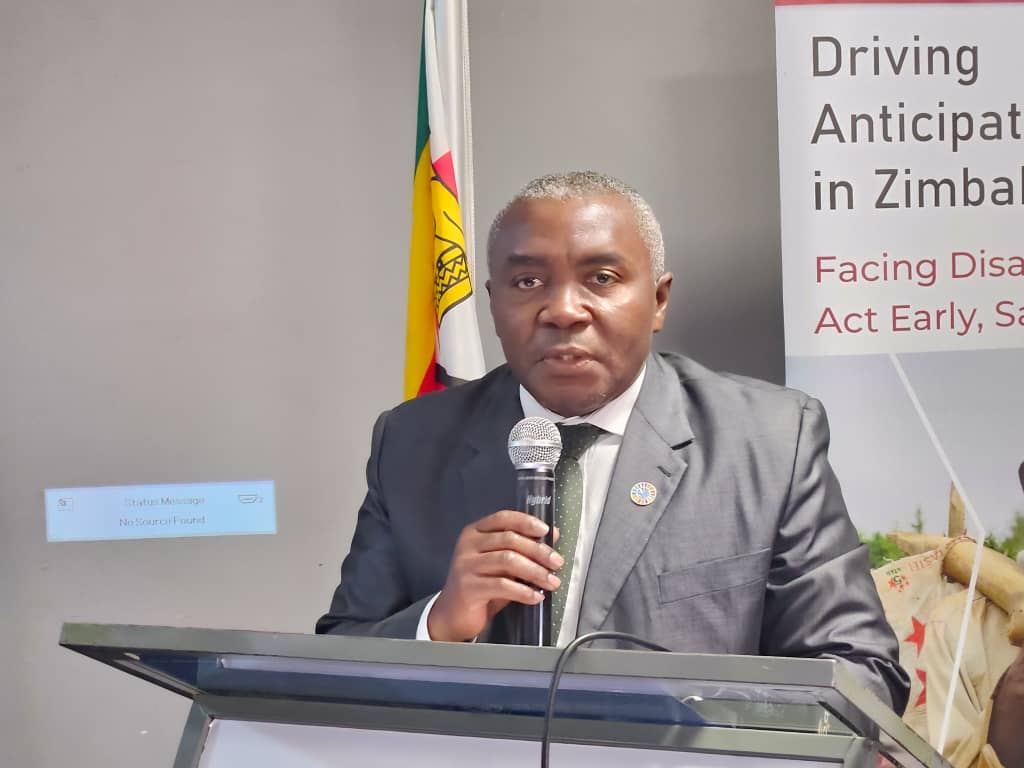
More than 30 officers from drought and flood prone districts gathered in Bulawayo this week for a five-day workshop on Geographic Information Systems (GIS), Remote Sensing and KoBo Toolbox, a mobile platform for real time hazard reporting.
“These skills must ignite a positive shift in how Zimbabwe manages agricultural hazards,” said Patrice Talla, Food and Agriculture Organization of the United Nations (FAO) representative in Zimbabwe and sub-regional coordinator for Southern Africa. “Frontline officers are the critical bridge between early warnings and action.”
The initiative comes as Zimbabwe braces for another volatile farming season marked by erratic rains, prolonged dry spells and livestock diseases.
Natural hazards have emerged as the single biggest threat to the country’s agriculture, which employs nearly 70% of the population.
FAO said the programme aims to shift Zimbabwe from reactive disaster response to anticipatory action, such as distributing drought tolerant seed before rains fall or deploying vaccines ahead of livestock epidemics.
The training will also support plans to establish a national geospatial data network that integrates reports from the field into a central system, providing policymakers with faster and more accurate information.
Globally, humanitarian funding appeals linked to extreme weather have increased eightfold since 2000, FAO said, underscoring the urgency of building resilience in climate vulnerable economies like Zimbabwe.
