MARTIN MAWAYA
GWERU—Government interventions under the National Development Strategy 1 (NDS1) have in recent years targeted the livelihoods of informal traders, prioritizing formalisation, access to finance, skills development, and market linkages for micro, small, and medium enterprises (MSMEs).
Through initiatives such as the Women’s Development Fund, the Small and Medium Enterprises Development Corporation (SMEDCO), and youth empowerment facilities, traders have benefited from capacity-building programmes, concessional financing, and infrastructure development, including designated vending and trading spaces.
Civil society organisations, including the Vendors Initiative for Social and Economic Transformation (VISET), have supported these efforts through policy advocacy, trader education, and structured dialogue platforms that promote inclusive taxation and accountable public finance management.
VISET has also amplified the voices of informal traders and residents in fiscal policy discussions at both local and national levels.
Recently, participants at the VISET’s Open Policy Dialogue emphasized the need for inclusive, people-centred taxation systems that balance revenue mobilisation with economic empowerment, particularly for small and informal enterprises, which form a significant part of the economy.
Speaking at a recent the forum, Tauya Moyo, a senior official at the Ministry of Women Affairs, Community, Small and Medium Enterprises Development, said formalizing informal trading is a growth driven strategy that fosters resilience and inclusion, not a tool for revenue collection.
“Formalisation should not be viewed as punishment,” Moyo said. “It is a developmental tool that allows businesses to access training, finance, markets, and government programmes. Taxation must promote growth and resilience, not burden vulnerable livelihoods.”
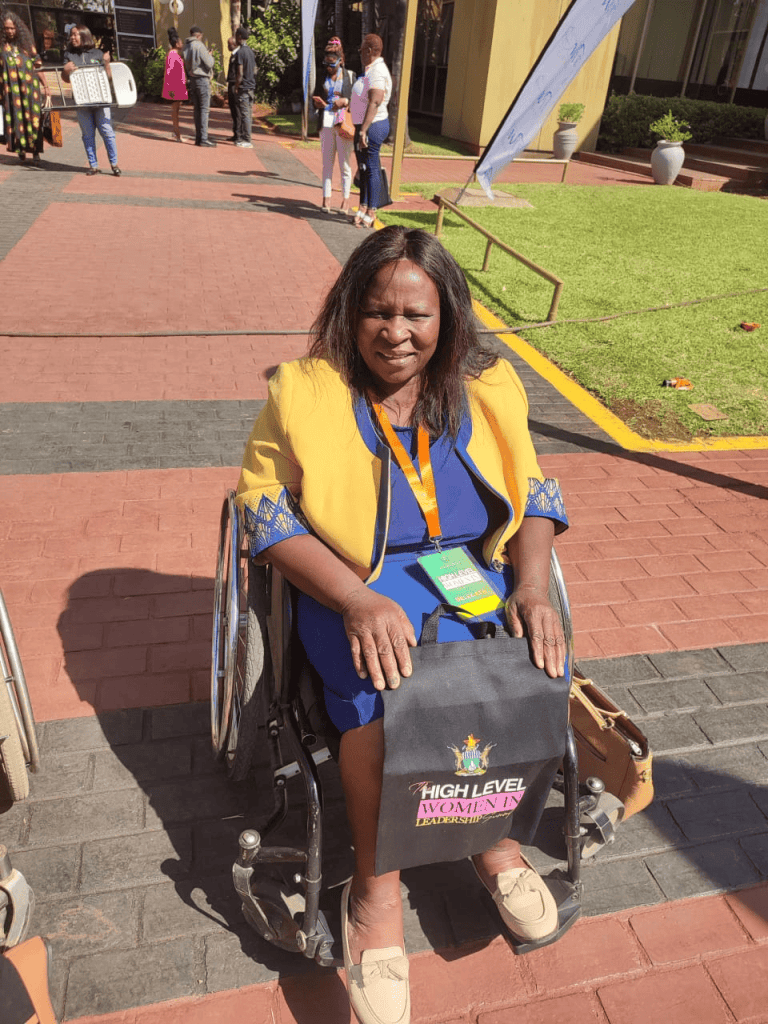
Audrey Rusike, a representative for persons with disabilities, raised equity concerns within the taxation system, urging policies that recognize the higher cost of living and operational challenges faced by the sector.
“We contribute like everyone else, but the system does not always take into account the additional burdens we face,” she said.
Informal traders also called for flexible payment plans, simplified compliance procedures, and one-stop shops for business registration, licensing, and taxation to reduce costs and improve ease of doing business.
The dialogue aimed to strengthen engagement, promote inclusive taxation, improve public finance management, and ensure economic policies support sustainable development and improved service delivery.
