Martin Muleya
The Environmental Management Agency Inspectorate Unit on Wednesday conducted a two-day training workshop for Manicaland Province urban and rural authorities, aimed at enforcing their capacity for self-compliance, monitoring, reporting and law enforcement in environmental management.
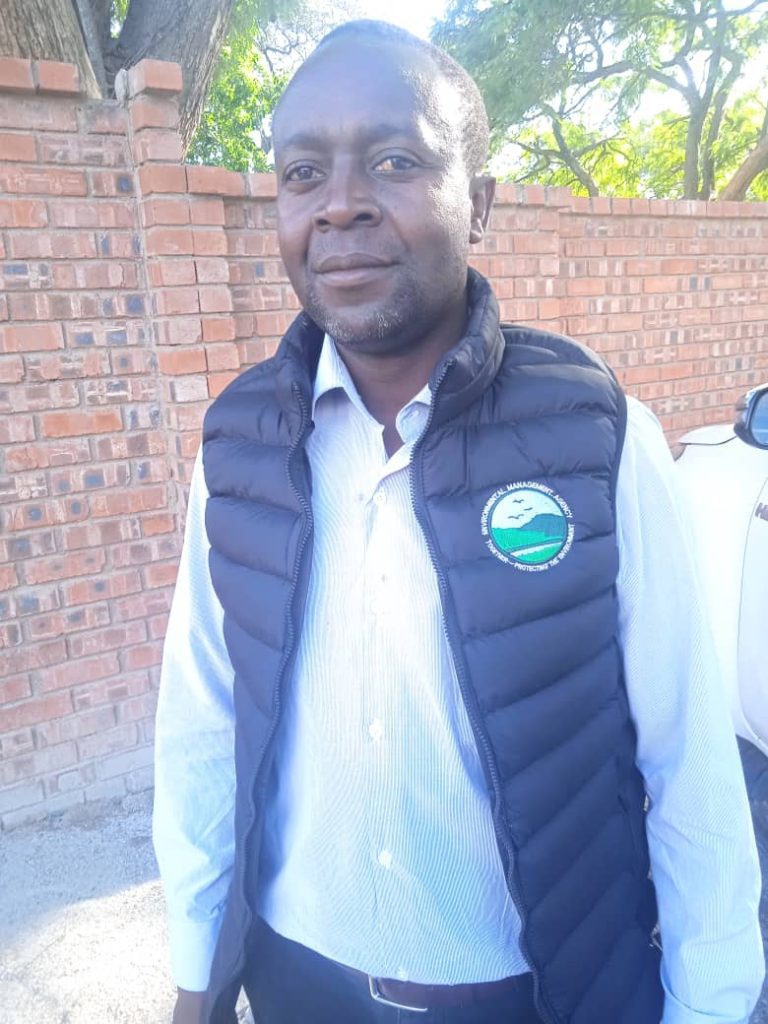
The training emphasized the crucial role local authorities play in ensuring sustainability within their jurisdictions. With the authorities tasked to create and enforce by-laws, they are key players in environmental protection.
Acting Environmental Education and Publicity Manager Liberty Mugadza highlighted that as EMA they had realized that local authorities had jurisdictions and mandate to ensure sustainability in terms of environmental management.
“Local authorities control areas to do with ecosystems protection, so with that mandate local authorities need to have the capacity in terms of knowledge on what to do and how to do it. The process we are doing is meant to capacitate existing staff of local authorities in planning engineering environment and other departments so that they appreciate environmental issues as well as expectations of international law so that they can tailor-make their by-laws in response to our obligation as a country.
“If each local authority does that aggregately we will have a country that is sustainable. The environment is in the hands of the stewards. When we capacitate local authorities to do good it means it will be good for the environment, but if we do not do that then they innocently destroy the environment,” said Mugadza.
Participants learnt how to identify and address environmental incidents as well as the importance of community engagement in environmental management.
A key focus of the training was the Environmental Impact Assessment (EIA) process. Participants gained a deeper understanding of how EIAs identify and assess potential environmental impacts of proposed projects or activities.
This knowledge will enable local authorities to make informed decisions and ensure that development projects are environmentally sustainable.
City of Mutare Town Clerk Blessing Chafesuka who was represented by Acting Urban Resilience Officer Kim Sithole weighed in saying as a local authority they had a great stake in terms of environmental issues and it was of concern on how local stakeholders right from the grassroots appreciate environmental protection.
“As council we have done quite a number of initiatives in order to conscientize residents. Illegal cultivation is one critical problem we face and we have held stakeholder workshops with those involved directly in urban agriculture so we teach them about our urban agriculture policy. So that instead of them going to undesignated places to do farming they can register with our offices and get allocated plots of land. We are working with several organizations like MRRI as they help us rehabilitate our rivers.
“Working in partnership with other various environmental organisations will help capture the audience we would have missed. This allows people to appreciate why the environmental need to be protected. The most important thing is for people to understand that there is a policy and law on environment protection. When enforcing this will be easy for them to understand,” said Sithole.
By capacitating local authorities, the Environmental Management Inspectorate Unit is promoting a collaborative approach to environmental management. The training empowers local authorities to take ownership of environmental protection, ensuring a safer and more sustainable environment for communities.
