The Midweek Watch caught up with one of the crafters, Nyashadzaishe Rushwaya from Masvingo Province who was selected to take part at the annual Surajkundmela Crafts International festival in Haryana State, India recently.
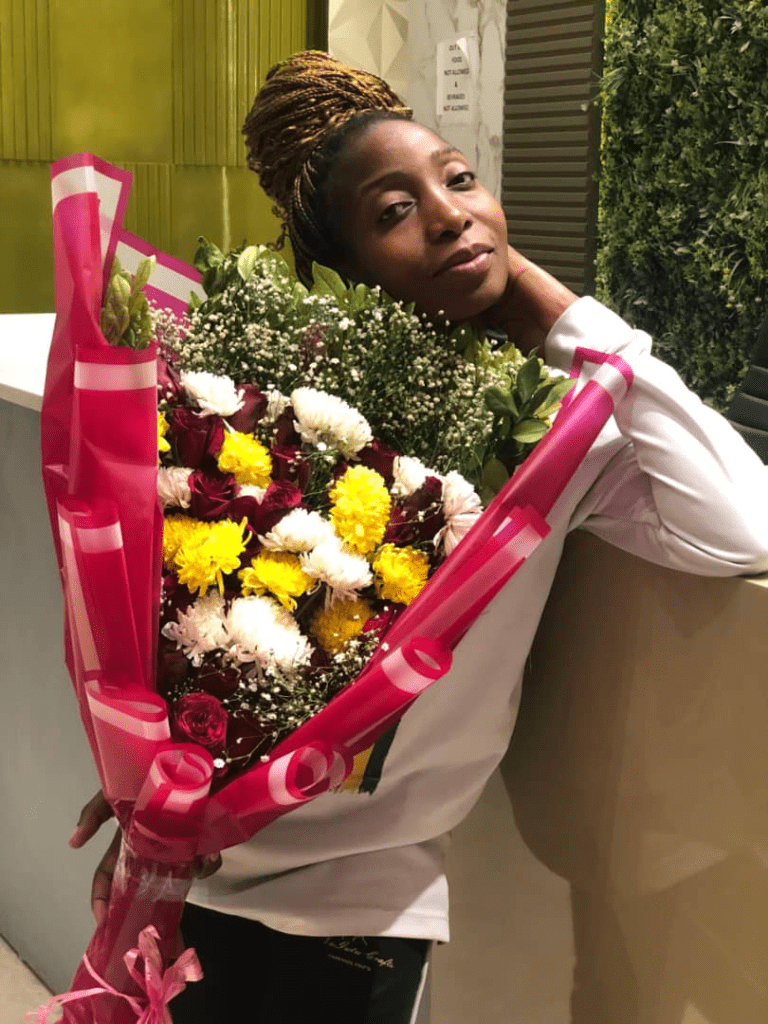
Below are the excerpts from the interview soon after she touched down at the Robert Gabriel Mugabe International Airport in Harare. Midweek Watch (MW) and Nyasha Rushwaya (NR).
MW: How did you get selected to go to India?
NR:The Ministry of Sports Arts and Culture wanted crafters, to go to India for the Surajkundmela Crafts International festival in Haryana State. As one of the known crafters in Masvingo Province the ministry selected me and others.
I was also in the spotlight as the one that gifted President Mnangagwa with a lion vision portrait at the first ever Munhumutapa Day celebration day that took place in Masvingo in 2024 at the iconic Great Zimbabwe Monuments. I’m also building a cultural village around Nemamwa Growth point and I was in the Eagles’ Nest incubation hub for the 2024 season being trained by ZimTrade.
The invitation was delivered on 20 January and we started the preparations around that time.
I would like to sincerely acknowledge and extend my heartfelt gratitude to Dr. Pazvakavambwa for facilitating the local transportation and taking care of the logistical details that made my trip to India possible. Your support played a crucial role in ensuring that everything moved smoothly behind the scenes.
I am truly grateful for your generosity, commitment, and belief in my journey. It is often the “nitty-gritty” details that make the biggest difference, and your assistance did not go unnoticed. Thank you for being instrumental in making this opportunity a success.
MW: What was your first reaction.
NR: I was very thrilled and started researching on the different crafts that I could take to India what they might prefer and what can sell best and I wrote my expectations down as well.
MW: How did you get to know about the festival?
NR: I had seen it on Facebook but there was less content on Zimbabwe and then later on got more information from Masvingo Sports Arts and Culture Ministry. I was dealing with Jeff Warara from the Ministry after I received a call from national arts council provincial head, Hellen Mudefi.
MW: Is this your first time to attend a festival outside the country?
NR: No, it was not, I attended one in 2024, South Africa in Riverside, Johannesburg and another one in Zambia in Lusaka, 2023. This one was unique though because it was the first time to attend an international crafts fair with more than 50 African countries taking part.
MW: How many were you from Masvingo?
NR: We were 18 from Masvingo Province, 4 crafters, 2 officials and 12 traditional dancers
MW: Who organized and paid for the trip?
NR: The trip was organized but the Ministry of Sports Arts and Culture and it was a fully sponsored trip by the government.
MW: Is it going to be an annual event for you …
NR: I’m not sure about that but traditionally it rotates from province to province so this year was for Masvingo however, I don’t know how the Ministry will strategise the program so that the crafters and dancers that will be going for the trip can prepare their best and have two weeks of making money.
The two weeks can change our communities’ lives and increase our percentage that arts and crafts contribute to the GDP of the country and a way of marketing Zimbabwe to the rest of the world.
MW: How was it flying from Zimbabwe to India?
NR: It was very exciting. I had to open my ears and eyes to learn everything that I could and I packed all my memories on Facebook.
I had a very bad experience at Magnolia Hotel in Addis Ababa where we had stopped over to freshen up while on our way to India.
We were meant to have lunch and rest while waiting for the connecting flight.
I ordered coffee which was going for a dollar and as I produced my worn out note, it was rejected as they wanted crisp notes.
I approached my colleagues but they had similar notes I had be rescued by my uncle Stapplar Mbudzi who works for the United Nations who asked his friend in Ethiopia to bail me out.
He paid the bill in their local currency, 120 birr which is equivalent to a dollar.
MW: Who was the head of delegation?
NR: It was Mrs Priscilla Vhiriri the arts and culture promotion officer from the ministry.
MW: Did you carry your food or you were eating Indian food?
NR: No, we didn’t carry our own food we wanted to explore their different dishes and everyday they made sure that we have a different dish and experience from mild to hot spicy dishes and all the dishes had spices and seasonings.
MW: How was the reception from the Indian community?
NR: It was very good, they were very welcoming and most of them would even go on Google translate just to make a conversation, they would want us to try their food and tea through and through.
MW: Any racial issues that you encountered individually or as a group?
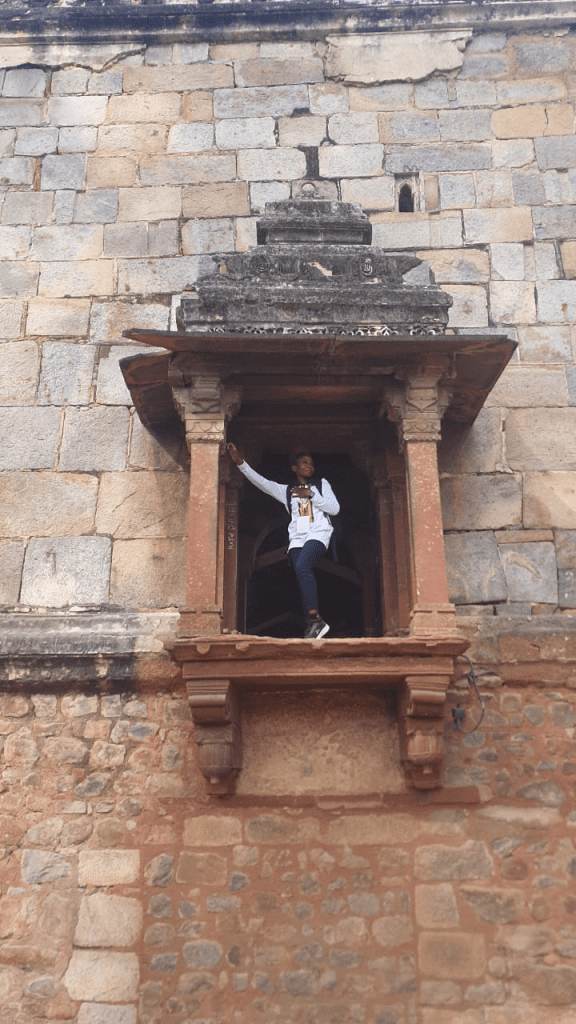
NR: Not that I can really point out just that most of the people were excited to see people like us and they would want pictures through and through I also understood that most of them regard visitors as gods who bring blessings.
MW: Where were you staying and how was it?
NR: We were staying in a hotel called Ronald Inn which is located in Faridabad in Haryana.
There were Zimbabweans, Ghanaians, and Tunisians at the hotel, it was good and it inspired me that even in the rural areas one can still construct a very good place for people to stay and be comfortable enough not to miss home
MW: Any language barriers that you encountered?
NR: Yes, I am not fluent in Hindu which is their local language, so it was difficult to make a sale in the first days till I learned that most of their youths are learning English and they understand better than their elders so they would help us with interpretation.
MW: Would you want to go back if given another chance?
NR: Yes, I would because now I know how to use their methods of payment, the crafts that they prefer and how they would want them done, the crafts that we have here in Zimbabwe that I can sell there I now have business friends and there is a lot that I learnt there that I can implement here.
MW: How different is India from Zimbabwe?
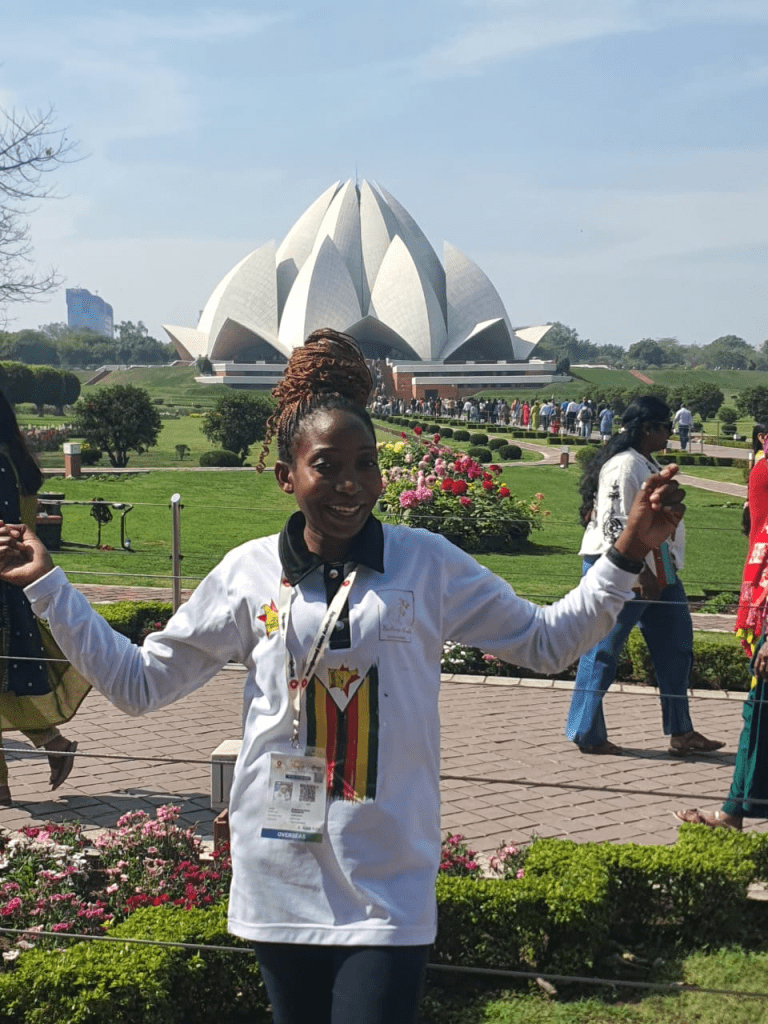
NR: Every event, every celebration is not complete without flowers, in as much as they are moving with the modern technology advancement they still value their culture and their history is written all over so that it will not be forgotten.
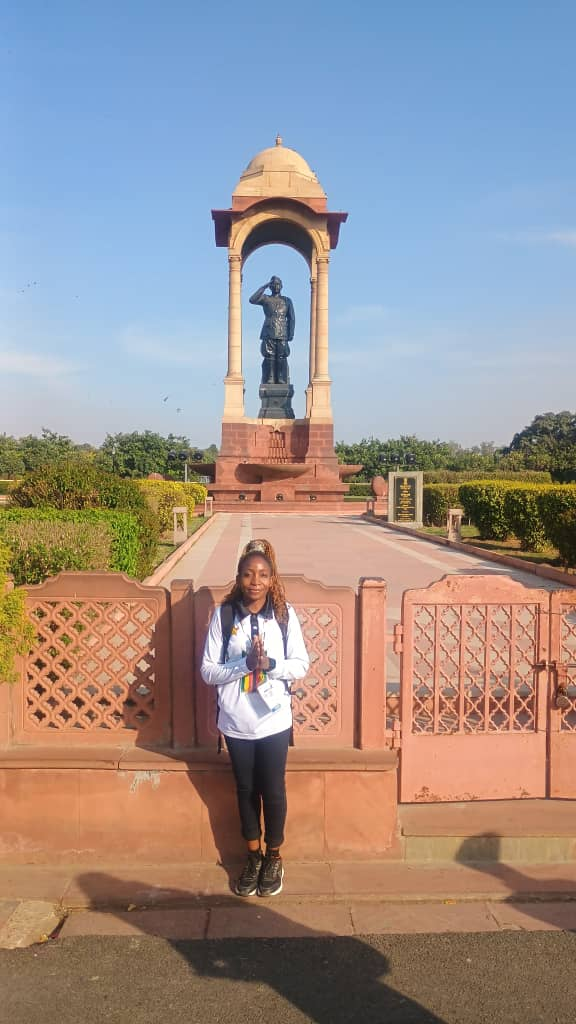
They have developed a systematic way of doing things which makes it easy for everyone to adapt to, but in return shapes one’s values, and norms for example they all walk from left to right be it entering temples or gardens and all their places of significance have gates and every gate has a meaning.
MW: Anything that you would like people to know about your journey to India and experience.
NR: India is also a developing country like Zimbabwe and it’s upon us to build upon such cultural exchange programs initiatives that benefit the two countries from grassroots level.

