-colonial hangover major problem
Roseline Mutare
Zimbabwe’s parallel examination system has come under fire for perpetuating inequality and inferiority among O an A level leaners in the country.

The Cambridge examination board, which caters for ‘affluent’ students, has been accused of being elitist, while Zimbabwe School Examinations Council which serves the majority of the learners is allegedly plagued by limited resources and credibility issues.
Educators, learners, parents, analysts and unions are all in agreement that the Government should act quickly and be decisive and come up with one examination board for O and A levels in order to remove the stigma associated with ZIMSEC.
Veteran educationist and former Ministry of Primary and Secondary Education Director, Dr. Erison Huruba said ZIMSEC curriculum is far much superior than Cambridge as it appeals to the local needs.
Dr. Huruba added that those who seat for ZIMSEC at O level perform much better at A level Cambridge using the knowledge gained at O level.
“It is unfortunate that affluent parents prefer Cambridge than ZIMSEC but the reality is that ZIMSEC is far more advanced than Cambridge.

“A closer look at the matter shows that we are still suffering from colonial hangover since we have been using Cambridge during the colonial days and soon after independence. We still believe that foreign is better than local yet it is the opposite because our curriculum has more depth than Cambridge,” said Dr. Huruba.
ZIMSEC fees range from US$11 to US$48 per subject while Cambridge charges between US$170 and US$256 depending with the level and type of subject.
For public schools the Government pays 50% of the fees for learners while private candidates foot the whole bill.
Obert Masaraure, President of the Amalgamated Rural Teachers Union of Zimbabwe (ARTUZ), criticized the parallel examination system, saying it has created a “two-tier” education system.
“The government officials who make funding decisions for ZIMSEC have their children seating for Cambridge, while the majority are forced to make do with ZIMSEC. ZIMSEC is starved of funding, with examiners still awaiting payment for work done in November last year,” said Masaraure.
Masaraure also highlighted the issue of leakages, which has become a perennial problem for ZIMSEC although the situation of late has improved significantly.
“Cambridge operates on professional lines, with credible and well-paid examiners, while ZIMSEC operates with a shoe string budget hence all those problems,” he added.
He called for the establishment of a single examination board for all learners that meets international standards for quality education.
Takavafira Zhou, President of the Progressive Teachers Union of Zimbabwe (PTUZ), echoed similar sentiments, highlighting the need for a single examination board.
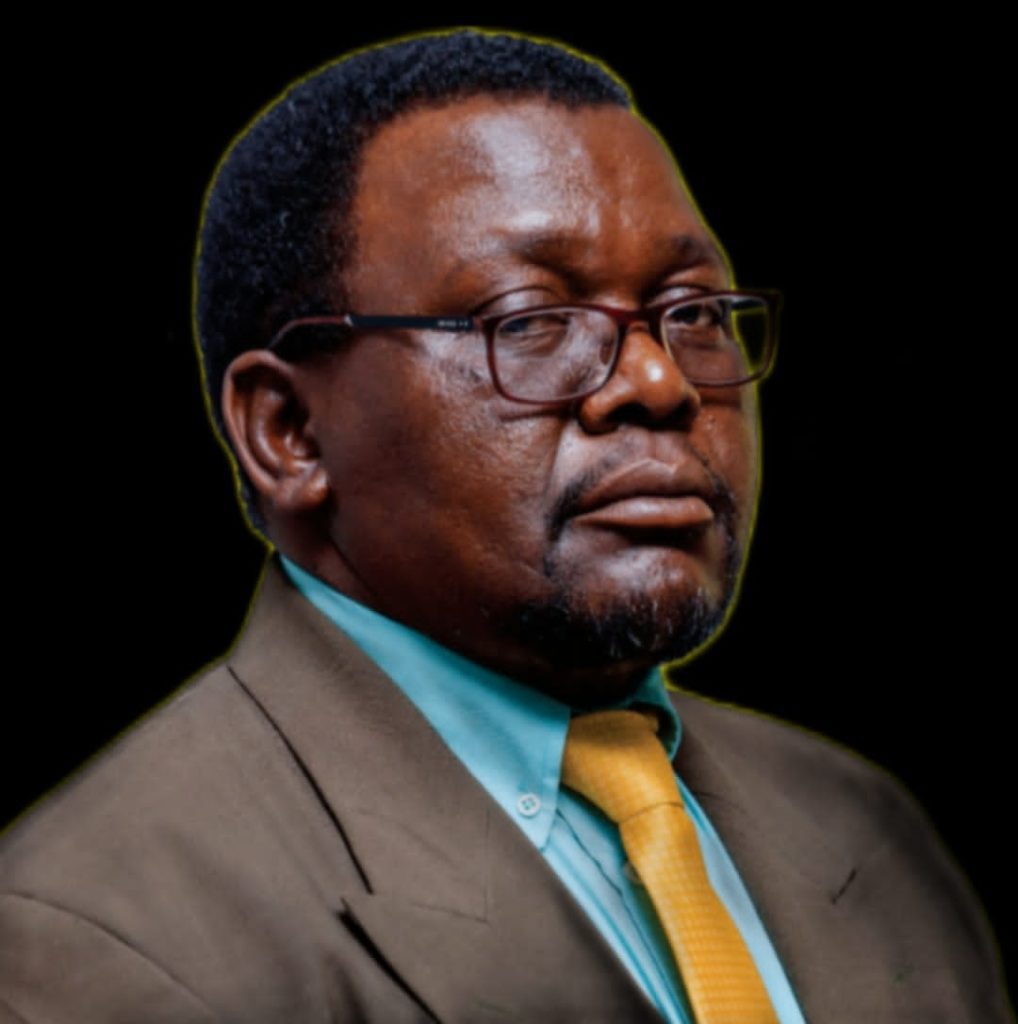
Zhou also noted that Cambridge qualifications are widely accepted by universities and employers globally, giving students an edge in higher education and migration opportunities. However, he pointed out that ZIMSEC is more recognized regionally and has a comparable global traction with Cambridge.
“It is imperative to create a body that represents markers to negotiate with ZIMSEC in order to sign binding contractual agreements that guard against naked exploitation of markers,” Zhou added.
Taungana Ndoro, Advocacy and Communications Director at the Ministry of Primary and Secondary Education, acknowledged the challenges facing ZIMSEC.
“We plan to bridge the inequality gap through curriculum reforms and teacher training, enhance ZIMSEC’s credibility through international partnerships, and invest in infrastructure development,” said Ndoro.
Ndoro also highlighted the ministry’s strategies to address inequality and strengthen ZIMSEC.
“We will modernize examinations and ensure transparency in grading to build trust, and launch public awareness campaigns to highlight ZIMSEC’s strengths and success stories,” he added.
The debate over the dual examination system has sparked calls for reform, with some advocating for a single examination board that meets international standards. As the government grapples with the challenges facing ZIMSEC, it remains to be seen whether the proposed reforms will be enough to address the widening inequality gap in Zimbabwe’s education system.
In a related development, the Ministry of Primary and Secondary Education has announced plans to align ZIMSEC’s content and assessment methods with global competencies through the heritage-based curriculum. The move is aimed at enhancing ZIMSEC’s credibility and global recognition.
