-westernisation to blame
By Cuthbert Mashoko
With rains having started earlier in Mwenezi, there is hope for a good farming season.
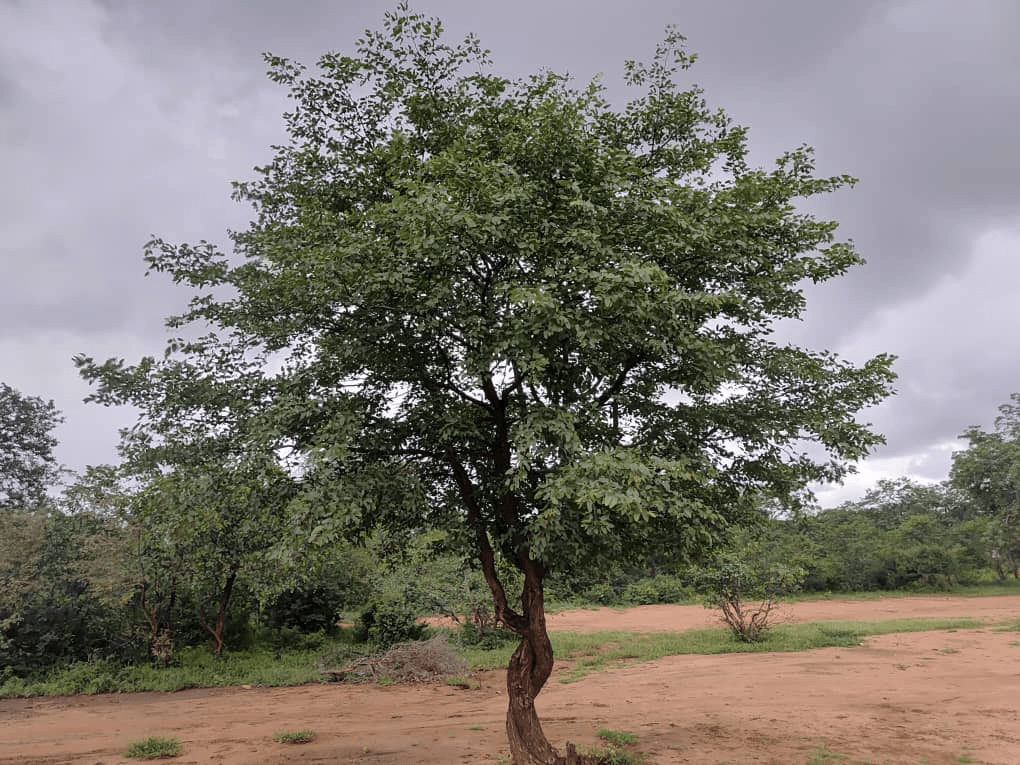
Forests have turned green, a lovely scenery of the Mopani tree dominated forests, is a marvel to watch, yet to the residents of Mwenezi, something is amiss?
By this time, gathering of caterpillars, mopani worms, would have spiced up the festive season. This natural delicacy, for decades acted as a savior to residents of Mwenezi and hundreds of prospectors who flocked to the district to gather the mopani worms commonly known by the locals as “Gonye remari”.
The harvesting of mopani worms usually brightened the festive season, adding to money circulation on the local market. A bucket of dried caterpillars would fetch around $20, with the caterpillar prospectors doubling the price in urban areas as they make a fortune.
The harvesting of caterpillars, a woman and children dominated adventure would usually cushion the locals from the much dreaded “January disease” as they pocketed enough to pay for school fees, yet all this, is now a thing of the past.
Beauty Zireva, a mother of three bemoaned the sudden change of affairs, highlighting that this has made life difficult for women since gathering of mopani worms was a reliable money spinning business . “As women we suffer the brunt of this unfortunate development since we used to pay for our children’s school fees and buy kitchen utensils from proceeds of mopani worms and now the situation is totally different, there is, not even a single mopani worm in the host Mopani tree” lamented Zireva who went on to speak her mind on what could have led to this mishap.
“I think we have ourselves to blame, over harvesting of the mopani worms possibly killed the life cycle of these worms” hinted Zireva.
Chief Chitanga, shared a different version altogether, pointing out that, there was need to appease the ancestors as the non availability of mopani worms was a sign that the ancestors were angry. “The Mopani worms are our own God given manna here in Mwenezi. The challenge we have is that due to the land reform program, people came from different backgrounds, hence making it difficult for people to conform to the traditions of our land” voiced Chief Chitanga born Feleni Chauke, adding that the gathering process of Mopani worms was supposed to be kick started by holding traditional rituals which people are no longer observing due to westernization.
“The process of gathering caterpillars under our traditions is supposed to be led by traditional leaders. Through “mauchiro” as we thank ancestors for the gift, but nowdays people are picking the caterpillars willingly bypassing our traditions”.
Dr. Shadreck Ndinde, a Lecturer at the University of Science and Technology (NUST) hinted that a number of factors could have influenced the scenario, acknowledging that at the centre of all, is the negative impact of climate change. While a number of factors can be attributed to this development, the negative impact of climate change cannot be overlooked since high temperatures which are now clocking to 40 degrees Celsius prove to be unbearable to the life cycle of the Mopani worms, ” shared Dr. Ndinde
“There is need to rescue the situation before ,the extinction of the Mopane worms, use of laboratories with controlled temperatures can be useful in preserving the life cycle of Mopani worms before climate change puts the last nail on the mopani worms’ coffin” proffered Dr. Ndinde.
Although different theories are being put forward as reasons for sudden extinction of the delicacy, one thing is certain, this has negatively impacted on the socio-economic landscape of the beautiful land of Mwenezi.
